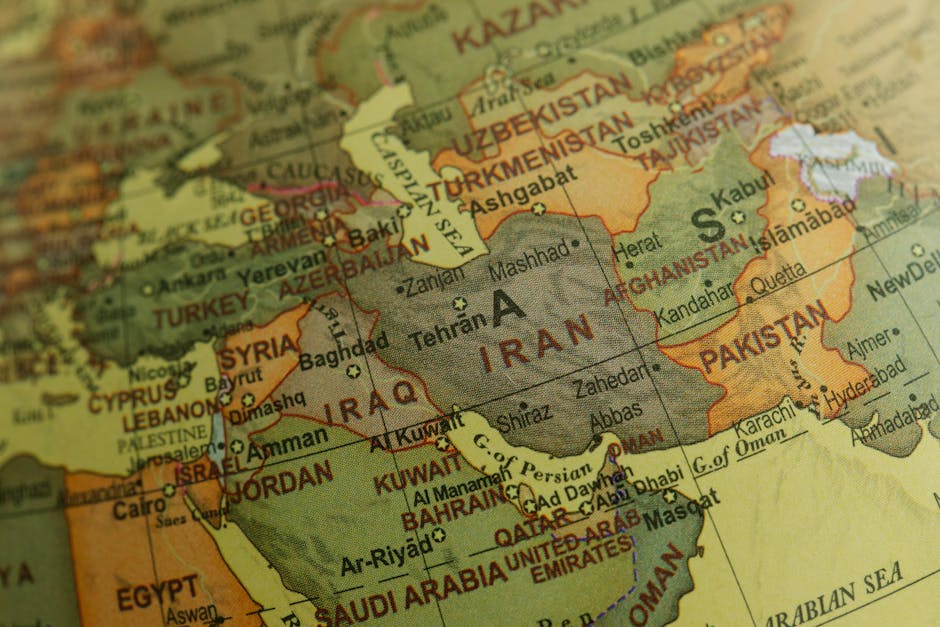
- The Strait of Hormuz is a critical waterway for global oil trade, with approximately 20% of the world oil passing through it.
- Any disruption to shipping lanes in the Strait of Hormuz can have far-reaching consequences for the global economy.
- The strait is bordered by several countries, including Iran, Oman, and the United Arab Emirates, with a complex web of geopolitical tensions and economic interests.
- The foreign secretary’s call for the reopening of the Strait of Hormuz reflects the urgent need to address tensions and ensure the free flow of oil to global markets.
- Ongoing efforts to negotiate a ceasefire agreement in the region may help alleviate concerns about shipping lane safety and potential conflict.
The Strait of Hormuz, a critical waterway for global oil trade, has been at the center of heightened tensions in recent months. With approximately 20% of the world’s oil passing through this narrow strait, any disruption to shipping lanes can have far-reaching consequences for the global economy. In a recent statement, Foreign Secretary Cooper emphasized the need for the full and toll-free reopening of the Strait of Hormuz, citing the potential economic fallout of continued restrictions.
Background and Current Tensions

The current situation in the Strait of Hormuz is a complex web of geopolitical tensions, economic interests, and historical grievances. The waterway, which connects the Persian Gulf to the Gulf of Oman, is bordered by several countries, including Iran, Oman, and the United Arab Emirates. In recent years, the strait has been the site of numerous incidents, including ship seizures and attacks, which have raised concerns about the safety of shipping lanes and the potential for conflict. The foreign secretary’s call for the reopening of the strait reflects the urgent need to address these tensions and ensure the free flow of oil to global markets.
Key Details and Recent Developments

Cooper’s statement comes amidst ongoing efforts to negotiate a ceasefire agreement in the region. The foreign secretary has also called for Lebanon to be “urgently included” in the agreement, citing the need to address the country’s unique security concerns. The situation in Lebanon is particularly complex, with the country facing significant economic and political challenges. The inclusion of Lebanon in the ceasefire agreement is seen as a critical step towards stabilizing the region and preventing further conflict. As tensions in the Strait of Hormuz continue to simmer, the international community is watching closely to see how events will unfold.
Analysis and Implications
The potential consequences of a prolonged closure of the Strait of Hormuz are far-reaching and alarming. With the global economy still recovering from the pandemic, any disruption to oil supplies could have a devastating impact on trade and economic growth. The foreign secretary’s call for the reopening of the strait reflects a deep understanding of these risks and the need for urgent action to address them. At the same time, the situation in Lebanon highlights the complex web of geopolitical interests and alliances that underpin the current tensions in the region. As experts and policymakers navigate these complex issues, they must balance competing interests and priorities to achieve a stable and peaceful resolution.
Regional Implications and Future Directions
The implications of the current situation in the Strait of Hormuz extend far beyond the region itself. With the global economy increasingly interconnected, any disruption to trade and commerce can have far-reaching consequences. The foreign secretary’s call for the reopening of the strait reflects a recognition of these risks and the need for international cooperation to address them. As the situation continues to evolve, it is likely that we will see a range of responses from the international community, from diplomatic efforts to economic sanctions. The key challenge will be to navigate these complex issues in a way that balances competing interests and priorities, while also addressing the underlying causes of the current tensions.
Expert Perspectives
Experts are divided on the best course of action to address the current tensions in the Strait of Hormuz. Some argue that a more robust military presence is needed to deter aggression and ensure the safety of shipping lanes. Others emphasize the need for diplomatic efforts to address the underlying causes of the conflict and negotiate a lasting ceasefire. As the situation continues to unfold, it is likely that we will see a range of perspectives and opinions on the best way forward. Ultimately, the key challenge will be to find a solution that balances competing interests and priorities, while also addressing the complex web of geopolitical tensions that underpin the current crisis.
Looking to the future, the key question is what steps the international community will take to address the current tensions in the Strait of Hormuz. Will we see a renewed emphasis on diplomatic efforts, or a more robust military presence? How will the situation in Lebanon be addressed, and what implications will this have for the wider region? As the situation continues to evolve, it is clear that the coming weeks and months will be critical in shaping the future of the region and the global economy.