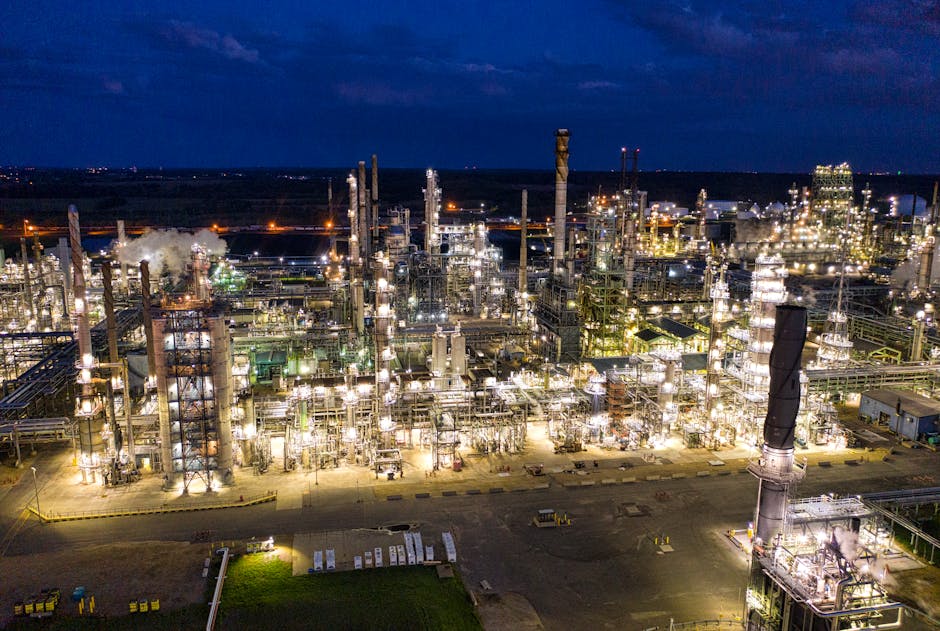
- The ongoing conflict in Iran poses a significant threat to global economic growth due to potential oil supply disruptions and increased military activity.
- The conflict could lead to another wave of inflation and higher interest rates, exacerbating economic instability in countries still grappling with pandemic and geopolitical tensions.
- The Middle East’s strategic importance, vast oil reserves, and geopolitical dynamics make the region a key player in global economic health.
- Countries heavily reliant on Middle Eastern oil may face significant price increases, fueling inflation and economic uncertainty.
- The International Monetary Fund’s warning highlights the delicate balance between regional peace and global economic health.
In a stark warning to the international community, Kristalina Georgieva, Managing Director of the International Monetary Fund (I.M.F.), has stated that the ongoing conflict in Iran could have severe repercussions on the global economy, including another wave of inflation and higher interest rates. This comes at a time when many nations are still grappling with the economic fallout from the pandemic and recent geopolitical tensions, making the potential for further instability particularly concerning.
The Economic Context of the Iran Conflict

The Middle East has long been a region of strategic importance due to its vast oil reserves and geopolitical dynamics. The current conflict in Iran, which has seen increased military activity and sanctions, is exacerbating an already fragile economic situation. Countries around the world are heavily reliant on oil from the region, and any disruption in supply could lead to significant price increases, which would in turn fuel inflation. The I.M.F.’s warning underscores the delicate balance between regional peace and global economic health.
Key Developments and Stakeholders

The conflict in Iran has escalated over the past few months, with multiple attacks on oil facilities and shipping lanes. The United States and Iran have been at the center of these tensions, with each side imposing sanctions and engaging in military posturing. Other key stakeholders include Saudi Arabia, Israel, and European nations, all of which have significant economic and security interests in the region. The involvement of major powers and the potential for broader conflict add layers of complexity to the situation.
Analysis: Causes and Consequences
The root causes of the conflict in Iran are multifaceted, involving historical rivalries, nuclear ambitions, and competing geopolitical interests. The recent attacks on oil infrastructure have already led to a spike in oil prices, which is a primary driver of inflation. According to the I.M.F., if the conflict continues to escalate, it could force central banks to raise interest rates to combat inflation, thereby stifling economic growth. Economic experts also point to the potential for reduced consumer spending and increased business uncertainty as additional negative outcomes.
Global Implications
The implications of the Iran conflict extend far beyond the Middle East. Higher oil prices and inflation could lead to reduced economic activity in major economies like the United States, China, and the European Union. Developing nations, which are more vulnerable to price shocks, could face severe economic hardship. The I.M.F. emphasizes that a prolonged conflict could undermine global efforts to recover from the pandemic and achieve sustainable economic growth, affecting millions of people worldwide.
Expert Perspectives
Economic experts and policymakers are divided on the best course of action. Some argue for increased diplomatic efforts to de-escalate tensions, while others suggest that economic sanctions and military deterrence are necessary to prevent further aggression. Regardless of the approach, the consensus is clear: the international community must act swiftly to mitigate the economic risks posed by the conflict in Iran.
What remains to be seen is how effectively these measures will be implemented and whether they can prevent the worst-case scenarios. The coming months will be crucial in determining the path forward and the potential impact on global economic stability.