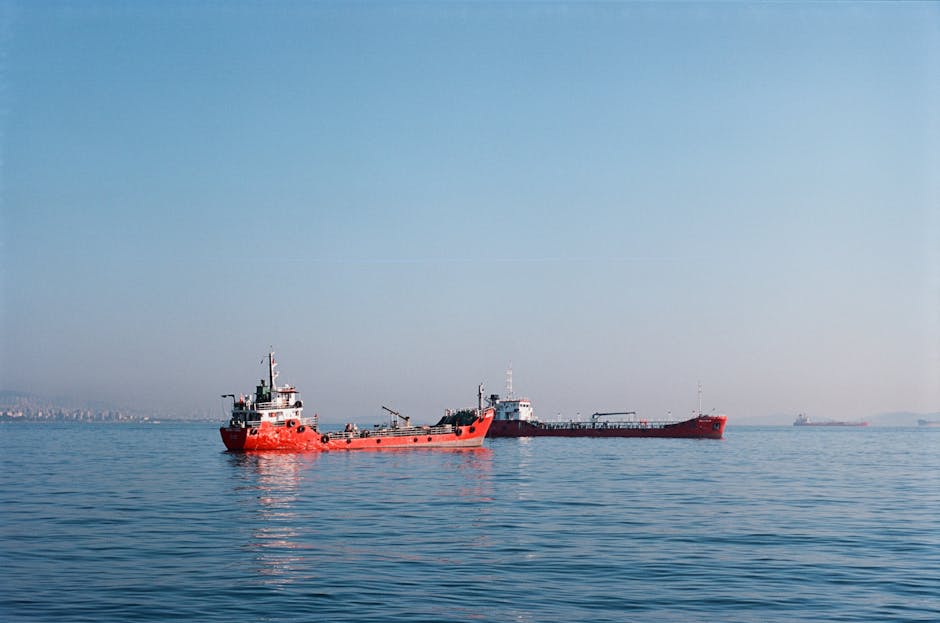
- The world’s top container operators are wary of Red Sea routes due to ongoing uncertainty and risk.
- Over 10% of global trade passes through the Red Sea, making potential disruption to supply chains significant.
- Regional tensions and conflicts, including the war in Yemen, contribute to instability in the region.
- Shippers are taking a cautious approach to navigating the Red Sea, citing the fear of instability in Gaza.
- The Houthi pledge to end targeting of ships is seen as insufficient by global shipping operators.
The world’s top three container operators, including Maersk, COSCO, and CMA CGM, have expressed concerns over the stability of Red Sea routes, despite a recent pledge by Houthi rebels to end their targeting of ships in the region. This striking fact highlights the ongoing uncertainty and risk that global shipping operators face in one of the world’s most critical trade routes. With over 10% of global trade passing through the Red Sea, the potential disruption to supply chains is significant, and shippers are taking a cautious approach to navigating these waters. The fear of instability in Gaza and broader regional tensions means that continued danger is a real concern for these operators.
Regional Tensions and Shipping Routes

The Red Sea is a vital shipping route, connecting Europe and Asia through the Suez Canal. However, the region has been plagued by instability and conflict in recent years, with the ongoing war in Yemen and tensions between Iran and Saudi Arabia contributing to the uncertainty. The world’s top container operators are wary of these regional tensions, which have already led to attacks on ships in the past. The potential for further disruptions to supply chains is a major concern, and shippers are closely monitoring the situation. Despite the Houthi pledge to end their targeting of ships, the operators remain skeptical, citing the need for a more comprehensive and lasting resolution to the regional conflicts.
Key Players and Interests

The key players involved in the Red Sea shipping routes include the world’s top container operators, as well as governments and regional authorities. The operators, including Maersk, COSCO, and CMA CGM, have significant interests in maintaining the stability of the region, given the importance of the Red Sea to their global operations. Governments, including those of Saudi Arabia, Egypt, and the United States, also have a stake in maintaining regional stability, given the strategic importance of the Suez Canal and the Red Sea. The Houthi rebels, who have been involved in the conflict in Yemen, have pledged to end their targeting of ships, but their motives and intentions remain unclear.
Analysis and Implications
An analysis of the situation suggests that the regional tensions and instability are likely to continue, despite the Houthi pledge. The conflict in Yemen remains unresolved, and the broader regional tensions between Iran and Saudi Arabia show no signs of easing. The implications of this ongoing instability are significant, with the potential for disruptions to supply chains, increased costs, and decreased efficiency. The world’s top container operators are taking a cautious approach, with some rerouting their ships around the Cape of Good Hope to avoid the Red Sea. This approach adds significant time and cost to the journey, but it is seen as a necessary precaution in the current environment.
Regional Instability and Global Trade
The regional instability in the Red Sea has significant implications for global trade, given the importance of the region to international shipping. The potential for disruptions to supply chains is a major concern, with the possibility of delays, increased costs, and decreased efficiency. The world’s top container operators are closely monitoring the situation, and governments and regional authorities are working to maintain stability and security in the region. However, the ongoing conflict in Yemen and the broader regional tensions between Iran and Saudi Arabia mean that the situation remains uncertain, and the potential for further disruptions is high.
Expert Perspectives
Experts in the field are divided on the implications of the Houthi pledge, with some seeing it as a positive step towards reducing tensions in the region, while others remain skeptical. “The Houthi pledge is a welcome development, but it is only one part of a broader solution to the regional conflicts,” said one expert. “The international community needs to work towards a comprehensive and lasting resolution to the conflict in Yemen, and to address the broader regional tensions between Iran and Saudi Arabia.” Another expert noted that “the pledge is a positive step, but it is not a guarantee of stability. The region remains volatile, and shippers need to remain vigilant and take necessary precautions to protect their interests.”
Looking forward, the situation in the Red Sea remains uncertain, with the potential for further disruptions to supply chains and regional instability. The world’s top container operators will continue to monitor the situation closely, and governments and regional authorities will need to work together to maintain stability and security in the region. One open question is whether the international community can work towards a comprehensive and lasting resolution to the regional conflicts, or whether the instability will continue to pose a risk to global trade. As one expert noted, “the situation in the Red Sea is a complex and challenging one, and it will require a sustained and coordinated effort to resolve the regional conflicts and maintain stability in the region.”