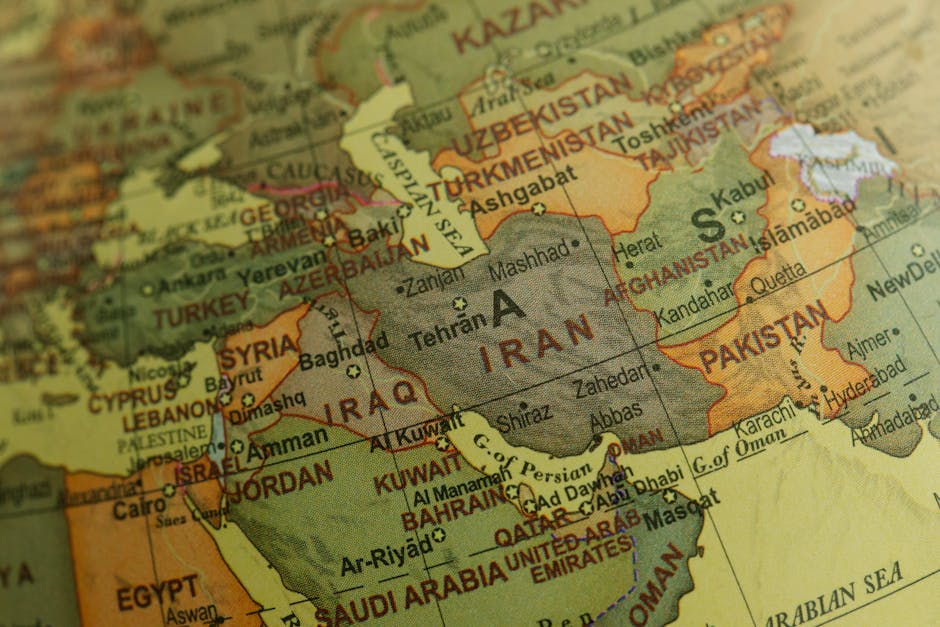
- Congressional leaders, particularly Republicans, have been largely silent on the US-Iran conflict.
- Lawmakers’ silence may be seen as tacit approval of President Trump’s actions, despite escalating tensions with Iran.
- The US withdrawing from the JCPOA and imposing sanctions on Iran has contributed to the current tensions.
- Congress has the power to declare war, but lawmakers have been hesitant to criticize the President’s handling of the situation.
- The conflict has brought the US and Iran to the brink of war, with recent attacks on oil tankers and the downing of a US drone.
The past week has seen President Trump’s stance on Iran shift dramatically, from threatening to wipe out Iranian civilization to declaring a cease-fire, leaving many to wonder about the administration’s true intentions. This unpredictability has sparked concern among lawmakers, allies, and adversaries alike, yet Congressional leaders, particularly Republicans, have been largely silent on the matter. With Congress currently out of session, lawmakers who possess the power to declare war are mostly in the dark, further exacerbating the uncertainty surrounding US policy towards Iran.
Background on US-Iran Relations

The current tensions between the US and Iran have been escalating for months, with the US withdrawing from the Joint Comprehensive Plan of Action (JCPOA) and imposing stringent sanctions on Iran. The recent attacks on oil tankers in the Gulf of Oman and the downing of a US drone have brought the two nations to the brink of war. Despite this, Congress has been relatively muted in its response, with many lawmakers hesitant to criticize the President’s handling of the situation. This lack of engagement from Congress has significant implications, as the Constitution grants lawmakers the power to declare war, and their silence may be seen as tacit approval of the President’s actions.
Key Details of the Conflict

The conflict between the US and Iran has involved multiple parties, including European allies and other regional actors. The US has been building up its military presence in the region, with the deployment of additional troops and equipment to the Middle East. Iran, on the other hand, has been accused of supporting militant groups and engaging in provocative behavior, such as the seizure of a British oil tanker. The international community has been calling for restraint and diplomacy, yet the situation remains volatile, with the potential for miscalculation or escalation. As the situation continues to unfold, it remains to be seen how the US and Iran will navigate this complex and treacherous landscape.
Analysis of the Situation
Experts point to a range of factors contributing to the current situation, including the US withdrawal from the JCPOA, the imposition of sanctions, and the lack of a clear strategy for dealing with Iran. The President’s tendency to rely on Twitter to announce major policy shifts has also been criticized, as it can create confusion and undermine the credibility of the US. Furthermore, the silence from Congressional leaders has been seen as a dereliction of duty, as lawmakers have a responsibility to provide oversight and guidance on matters of war and national security. As the situation continues to evolve, it is likely that the US will face increasing pressure from allies and adversaries to clarify its intentions and provide a coherent strategy for dealing with Iran.
Implications of the Conflict
The implications of the conflict between the US and Iran are far-reaching, with the potential to affect not only the region but also global markets and economies. The price of oil has already begun to rise, and a full-blown conflict could have devastating consequences for the global economy. Furthermore, the conflict has the potential to draw in other regional actors, including Saudi Arabia, Israel, and Turkey, further complicating the situation. As the US and Iran navigate this complex and treacherous landscape, it is essential that lawmakers provide oversight and guidance to ensure that the US is pursuing a coherent and effective strategy.
Expert Perspectives
Experts are divided on the best course of action for the US, with some arguing that a more diplomatic approach is needed, while others believe that a stronger stance is required. Some have criticized the President’s handling of the situation, arguing that his tendency to rely on Twitter and his lack of a clear strategy have created confusion and undermined the credibility of the US. Others have argued that the US needs to take a stronger stance against Iran, including the use of military force if necessary. As the situation continues to evolve, it is likely that these debates will continue, with lawmakers and experts weighing in on the best course of action for the US.
Looking ahead, it remains to be seen how the situation will unfold, and what role Congress will play in shaping US policy towards Iran. The President’s tendency to act unilaterally has raised concerns about the potential for miscalculation or escalation, and lawmakers will need to be vigilant in providing oversight and guidance. As the US navigates this complex and treacherous landscape, it is essential that lawmakers prioritize a coherent and effective strategy, one that takes into account the complexities of the region and the potential consequences of US actions.