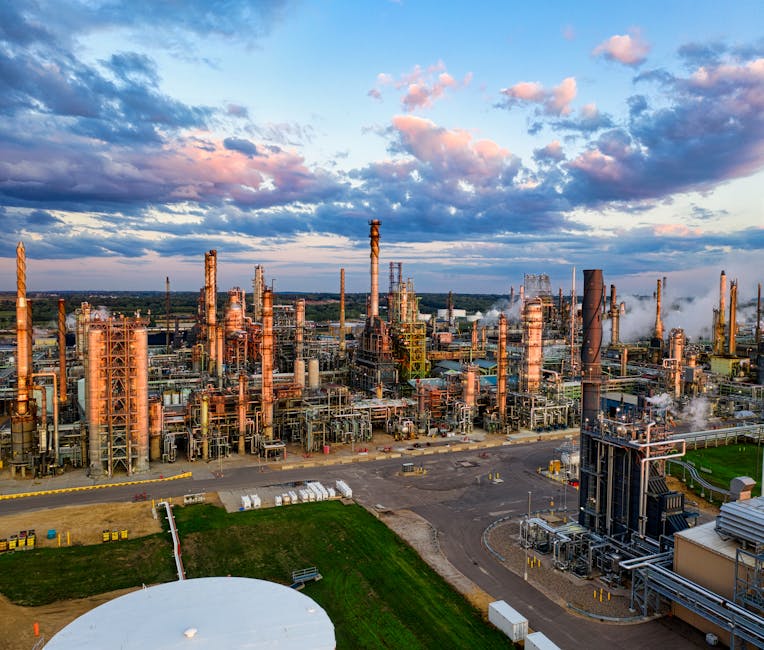
- Oil prices declined following the U.S.-Iran diplomatic breakthrough, but production has not increased.
- Energy firms remain cautious due to ongoing uncertainty and attacks on shipping lanes in the Strait of Hormuz.
- A lasting recovery in oil and natural gas production is unlikely unless shipping lanes are secure.
- The Strait of Hormuz remains a critical oil chokepoint and major flashpoint for global energy markets.
- The U.S.-Iran deal has created a window for diplomacy, but underlying issues remain unresolved.
The recent decline in oil prices, triggered by the U.S.-Iran diplomatic breakthrough, has not led to an immediate increase in energy production. Despite the easing of tensions, energy firms remain cautious, with analysts warning that a lasting recovery in oil and natural gas production is unlikely unless attacks on shipping lanes cease and vessels can safely navigate the Strait of Hormuz. The ongoing uncertainty has left the global energy market in a state of limbo, with investors and consumers alike waiting to see how the situation will unfold. As the world’s most critical oil chokepoint, the Strait of Hormuz remains a major flashpoint, and any disruption to traffic through this vital waterway could have far-reaching consequences for the global economy.
Background and Context

The U.S.-Iran deal, while a significant diplomatic achievement, has not addressed the underlying issues driving the conflict in the region. The agreement has, however, created a window of opportunity for diplomacy to take hold, and the international community is watching closely to see how the situation will evolve. For energy companies, the primary concern is the safety of their personnel and assets, and until the security situation improves, production is likely to remain frozen. The lack of clarity on the future of the deal and the potential for further escalation has created a climate of uncertainty, making it difficult for energy firms to make informed decisions about their operations. As a result, the global energy market is likely to remain volatile, with prices susceptible to sudden fluctuations in response to any changes in the geopolitical landscape.
Key Developments and Players

The U.S.-Iran deal has brought a measure of calm to the region, but the underlying tensions remain. The agreement has been welcomed by other nations in the region, including Saudi Arabia and the United Arab Emirates, which have long been concerned about Iran’s growing influence. However, the deal has also been met with skepticism by some, who argue that it does not go far enough in addressing the root causes of the conflict. For energy companies, the key players in the region, including the National Iranian Oil Company and Saudi Aramco, will be closely watched as they navigate the changing landscape. The actions of these companies, and the decisions they make about production and investment, will have a significant impact on the global energy market and the broader economy.
Analysis and Implications
Analyzing the causes and effects of the U.S.-Iran deal on the energy market, it is clear that the situation is complex and multifaceted. The deal has created a degree of uncertainty, which is likely to persist until the security situation in the region improves. The impact on energy prices has been significant, with the price of Brent crude falling by over 10% since the deal was announced. However, the decline in prices has not led to an increase in production, as energy firms remain cautious about the outlook for the region. According to experts, the deal has also highlighted the need for greater investment in renewable energy sources, as the world becomes increasingly reliant on unstable regions for its energy needs. As the global energy market continues to evolve, it is likely that the U.S.-Iran deal will be seen as a significant turning point, marking a shift towards greater diplomacy and cooperation in the region.
Regional and Global Consequences
The implications of the U.S.-Iran deal are far-reaching, with consequences for the global energy market and the broader economy. The deal has created a degree of uncertainty, which is likely to persist until the security situation in the region improves. For consumers, the decline in oil prices has been welcome, but the lack of clarity on the future of the deal has created a climate of uncertainty, making it difficult to predict what the future holds. The deal has also highlighted the need for greater investment in renewable energy sources, as the world becomes increasingly reliant on unstable regions for its energy needs. As the global energy market continues to evolve, it is likely that the U.S.-Iran deal will be seen as a significant turning point, marking a shift towards greater diplomacy and cooperation in the region. The consequences of the deal will be felt for years to come, shaping the global energy landscape and influencing the decisions of energy firms, investors, and consumers alike.
Expert Perspectives
Experts are divided on the impact of the U.S.-Iran deal on the energy market, with some arguing that it marks a significant turning point in the region, while others are more cautious. According to Dr. Daniel Yergin, a leading energy expert, the deal has created a degree of uncertainty, which is likely to persist until the security situation in the region improves. Dr. Yergin argues that the deal has highlighted the need for greater investment in renewable energy sources, as the world becomes increasingly reliant on unstable regions for its energy needs. In contrast, Dr. Amy Myers Jaffe, another leading expert, believes that the deal has the potential to unlock significant new investment in the region, driving growth and development in the years to come.
Looking to the future, the key question is what the U.S.-Iran deal will mean for the global energy market in the long term. Will the deal mark a significant turning point, leading to greater diplomacy and cooperation in the region, or will it prove to be a false dawn, with tensions eventually rising once again? As the situation continues to evolve, one thing is clear: the global energy market will be watching closely, waiting to see how the situation unfolds and what the consequences will be for energy firms, investors, and consumers alike. The answer to this question will have significant implications for the global economy, shaping the decisions of energy firms, investors, and consumers in the years to come.