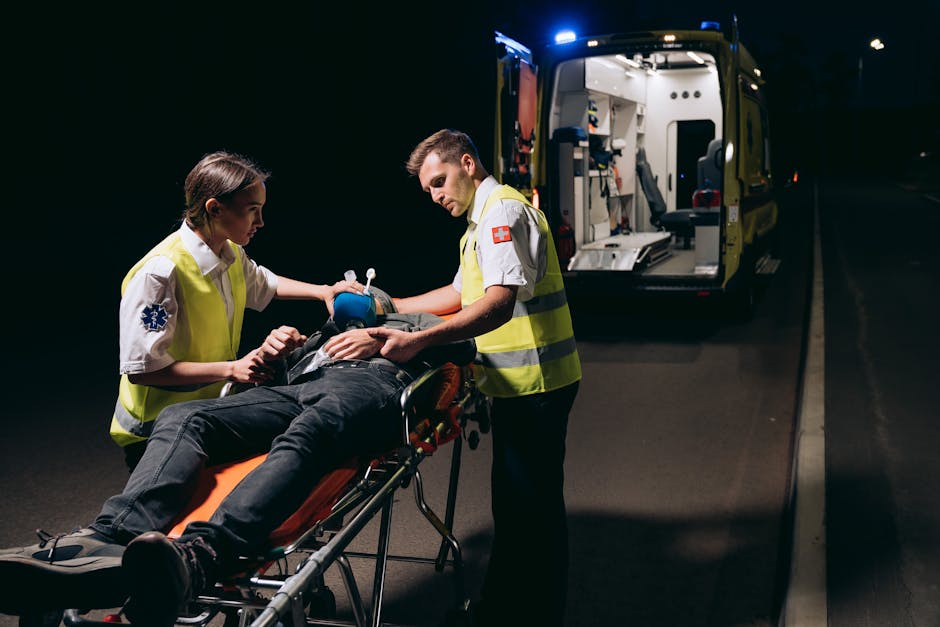
- The Welsh Ambulance Service has decided not to hire newly qualified paramedics this year due to financial and operational issues.
- This decision highlights the broader challenges faced by the NHS, including budget constraints and increased demand for emergency services.
- The situation leaves many newly qualified paramedics without job prospects and raises concerns about the future of emergency healthcare in Wales.
- The financial pressure on the Welsh Ambulance Service is part of a larger issue affecting the NHS, where funding has not kept up with costs and demand.
- This hire freeze is seen as a short-term measure to address financial strain but may impact the long-term quality and availability of paramedic services.
The Welsh Ambulance Service has made the startling announcement that newly qualified paramedics will not be offered roles this year, citing “financial and operational issues” as the primary reason. This decision has left many in the medical community reeling, as it not only affects the career prospects of these individuals but also raises concerns about the overall state of emergency healthcare in Wales. With the National Health Service (NHS) already facing significant challenges, this hire freeze is a stark reminder of the financial strains on public services. The situation is particularly dire for newly qualified paramedics, who have invested considerable time and resources into their training, only to find themselves without a clear path forward.
Background and Current Challenges

The current situation is a culmination of long-standing issues within the Welsh Ambulance Service, including budget constraints, staffing shortages, and operational inefficiencies. The service has been under pressure to meet response time targets while dealing with an aging population and an increase in demand for emergency services. The financial constraints faced by the service are part of a broader challenge affecting the NHS, where funding has not kept pace with demand and costs. This has resulted in difficult decisions, such as the hire freeze, which, while intended to address short-term financial issues, may have long-term consequences for the quality and availability of healthcare services.
Key Details of the Hire Freeze

The decision to implement a hire freeze for newly qualified paramedics is a direct response to the financial and operational pressures faced by the Welsh Ambulance Service. The service has indicated that this measure is necessary to ensure the stability and sustainability of its operations, despite the negative impact on job seekers. The specifics of the freeze include a moratorium on offering positions to new graduates, with the service suggesting that these individuals consider applying for roles abroad or in other parts of the UK. This advice has been met with disappointment and frustration, as many had hoped to begin their careers in their home country, contributing to the local healthcare system.
Analysis of the Situation
An analysis of the situation reveals a complex interplay of factors contributing to the hire freeze. Financial constraints are a primary concern, with the service facing significant budgetary pressures. Operational issues, including staffing shortages and the challenges of meeting response time targets, further complicate the situation. Experts suggest that addressing these underlying issues will require a multifaceted approach, including investments in staffing, training, and infrastructure, as well as reforms aimed at improving operational efficiency. The long-term effects of the hire freeze could be profound, potentially leading to a brain drain as talented professionals seek opportunities elsewhere, and compromising the quality of emergency healthcare services in Wales.
Implications for the Healthcare Sector
The implications of the hire freeze for the healthcare sector in Wales are far-reaching. The decision not to hire newly qualified paramedics could lead to a shortage of skilled professionals in the future, exacerbating existing staffing challenges. Furthermore, the advice to seek employment abroad may result in a loss of talent, as individuals who might have contributed to the local healthcare system pursue opportunities elsewhere. This could have a detrimental effect on the overall quality of care, as well as the ability of the Welsh Ambulance Service to respond effectively to emergencies. The situation underscores the need for sustainable funding solutions and strategic planning to ensure the long-term viability of essential public services like the NHS.
Expert Perspectives
Experts in the field have offered contrasting viewpoints on the hire freeze, with some emphasizing the necessity of tough financial decisions in the face of budgetary constraints, while others argue that the move will have devastating consequences for the healthcare sector. Some professionals suggest that the focus should be on finding innovative solutions to address staffing shortages and operational challenges, rather than implementing measures that could compromise the future of emergency services. Others propose that the Welsh government should intervene to provide additional funding or support to mitigate the effects of the hire freeze, ensuring that the Welsh Ambulance Service can maintain its capacity to deliver high-quality care.
Looking forward, the key question is how the Welsh Ambulance Service and the broader healthcare sector in Wales will navigate these challenges. Will the hire freeze be a short-term necessity or a long-term strategy? How will the loss of potential talent affect the quality and availability of emergency healthcare services? As the situation unfolds, it will be crucial to monitor developments and consider potential solutions that balance financial realities with the need to maintain and improve healthcare services. The coming months will be pivotal in determining the future of the Welsh Ambulance Service and the careers of newly qualified paramedics, highlighting the need for swift and effective action to address the current crisis.