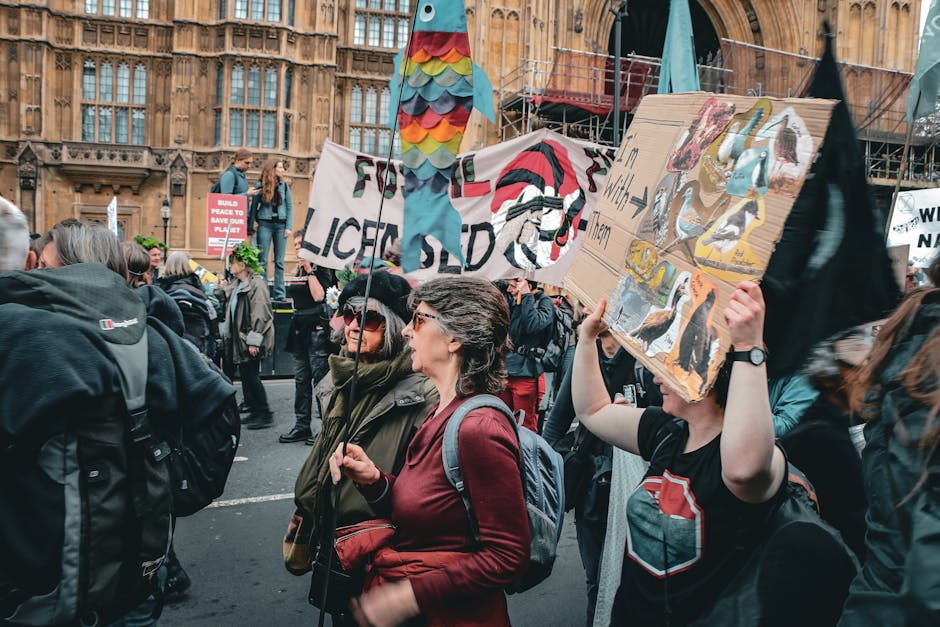
The streets outside the Israeli embassy in London have been filled with protesters, as hundreds gathered to condemn the recent assault on Lebanon. The demonstrations, which have been peaceful so far, have blocked roads and caused significant disruption to traffic in the area. The protesters, who are showing solidarity with the people of Lebanon, are calling for an immediate end to the violence and for the international community to take action to prevent further bloodshed. The situation is being closely monitored by the police, who are working to ensure that the protests remain peaceful and that the rights of all individuals are respected. With tensions running high, the protests are a stark reminder of the deep-seated divisions and conflicts that exist in the region.
Escalating Tensions in the Middle East

The protests outside the Israeli embassy in London are just the latest manifestation of the escalating tensions in the Middle East. The conflict between Israel and Lebanon has been ongoing for years, with periodic outbreaks of violence and skirmishes along the border. However, the recent strikes on Lebanon have marked a significant escalation of the conflict, with many fearing that the situation could spiral out of control. The international community has been calling for calm and restraint, but so far, there has been little sign of a let-up in the violence. As the situation continues to deteriorate, there are growing concerns about the humanitarian impact of the conflict, with many civilians caught in the crossfire and forced to flee their homes.
Details of the Protests

The protests outside the Israeli embassy in London have been organized by a coalition of activist groups and community organizations. The demonstrators, who come from a wide range of backgrounds and ages, are united in their condemnation of the Israeli actions and their call for peace and justice in the region. The protests have been marked by passionate speeches and chants, with many waving flags and banners to show their solidarity with the people of Lebanon. The police have been working to maintain order and prevent any violence, but so far, the protests have remained peaceful. As the demonstrations continue, there are likely to be further disruptions to traffic and daily life in the area, but the protesters are determined to make their voices heard and to bring attention to the plight of the people of Lebanon.
Analysis of the Conflict
The conflict between Israel and Lebanon is complex and multifaceted, with deep-seated historical, cultural, and political roots. The recent strikes on Lebanon have been widely condemned by the international community, with many seeing them as a disproportionate response to the actions of militant groups in the region. However, the Israeli government has defended its actions, saying that they are necessary to protect the country’s security and prevent further attacks. As the situation continues to unfold, there are likely to be significant implications for the region and the wider world. The conflict has the potential to draw in other countries and to destabilize the entire region, with far-reaching consequences for global security and stability. With the stakes so high, it is essential that the international community comes together to find a peaceful solution to the conflict and to prevent further bloodshed.
Implications of the Conflict
The implications of the conflict between Israel and Lebanon are far-reaching and significant. The violence has already caused significant humanitarian suffering, with many civilians forced to flee their homes and seek shelter elsewhere. The conflict also has the potential to destabilize the entire region, with many countries having a vested interest in the outcome. The international community is calling for calm and restraint, but so far, there has been little sign of a let-up in the violence. As the situation continues to deteriorate, there are growing concerns about the long-term consequences of the conflict, including the potential for further radicalization and the destabilization of the region. The protests outside the Israeli embassy in London are just one manifestation of the deep-seated concerns and fears that exist about the conflict and its implications.
Expert Perspectives
Experts are divided on the best way to resolve the conflict between Israel and Lebanon. Some argue that a negotiated settlement is the only way to bring lasting peace to the region, while others believe that a more robust military response is necessary to prevent further attacks. Dr. Maria Rodriguez, a leading expert on the Middle East, believes that the international community needs to take a more proactive role in resolving the conflict, saying that “the situation is too complex and too sensitive to be left to the parties involved alone.” However, Dr. John Taylor, a former diplomat, disagrees, saying that “the only way to achieve lasting peace is through direct negotiations between the parties involved.” As the situation continues to unfold, it is clear that there are no easy answers, but one thing is certain – the international community needs to come together to find a peaceful solution to the conflict.
As the protests outside the Israeli embassy in London continue, one thing is clear – the conflict between Israel and Lebanon is far from over. The situation remains volatile and unpredictable, with many fearing that the violence could escalate further. As the international community watches with bated breath, the question on everyone’s mind is – what next? Will the conflict continue to escalate, or will the parties involved be able to find a way to negotiate a peaceful settlement? Only time will tell, but one thing is certain – the world will be watching with great interest as the situation unfolds.