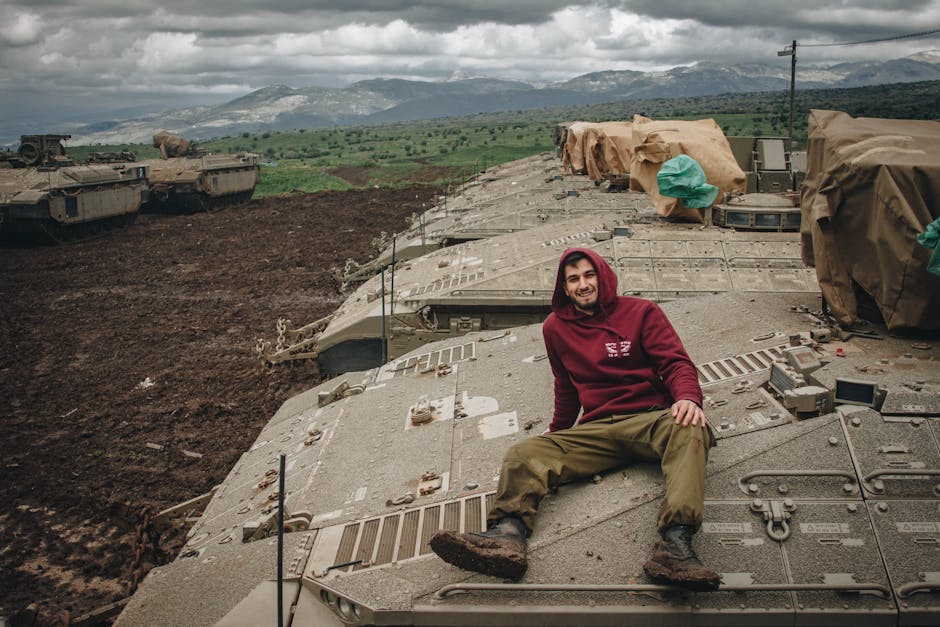
- Israeli strikes in Lebanon have sparked widespread condemnation and heightened tensions in the region.
- Iran’s strong stance on the situation is likely to further inflame tensions.
- The international community is urging calm and restraint in the face of escalating conflict.
- The Israeli-Palestinian conflict has been a longstanding source of tension in the Middle East.
- The situation in the Middle East remains precarious and volatile, with many factors at play.
The recent Israeli strikes in Lebanon have been deemed a “grave violation” of the ceasefire by Iran’s deputy foreign minister, Ali Bagheri Kani, in an interview with the BBC. This stark assessment comes as tensions continue to escalate in the region, with Iran urging the US to choose between pursuing war or maintaining the fragile ceasefire. The situation is particularly volatile, with the international community watching closely to see how events will unfold. The Israeli strikes have sparked widespread condemnation, and Iran’s strong stance is likely to further inflame the situation. As the conflict deepens, the world waits with bated breath to see what the next move will be.
Escalating Tensions in the Middle East

The current crisis in the Middle East is a complex and multifaceted issue, with deep-seated historical and political roots. The Israeli-Palestinian conflict has been a longstanding source of tension, and the recent strikes in Lebanon have only served to exacerbate the situation. With Iran and the US locked in a battle of wills, the region is poised on the brink of chaos. The international community is urging calm and restraint, but the situation remains precarious. As the world struggles to come to terms with the rapidly unfolding events, one thing is clear: the Middle East is a powder keg waiting to be ignited. The key question is, what will be the spark that sets it off?
Key Players and Interests

The Israeli strikes in Lebanon have drawn in a number of key players, each with their own interests and agendas. Iran, as a major regional power, is deeply invested in the outcome of the conflict. The US, too, has a significant stake in the region, with its longstanding alliance with Israel. The Lebanese government, meanwhile, is walking a tightrope, attempting to balance its own interests with those of its more powerful neighbors. As the situation continues to unfold, it is clear that each of these players will play a crucial role in shaping the outcome of the conflict. The question is, how will their interests intersect and collide in the days and weeks to come?
Causes and Consequences
The causes of the current crisis are complex and multifaceted, with a deep history of conflict and tension in the region. The Israeli-Palestinian dispute is a longstanding source of friction, and the recent strikes in Lebanon have only served to inflame the situation. The consequences of the conflict are already being felt, with widespread destruction and loss of life reported. As the situation continues to escalate, the potential consequences are dire. The international community is urging calm and restraint, but the situation remains precarious. The key question is, what will be the long-term effects of the conflict, and how will the region be reshaped in its aftermath?
Implications and Fallout
The implications of the current crisis are far-reaching and profound. The conflict has the potential to draw in a number of other regional players, including Syria and Iraq. The US, too, may be drawn into the conflict, with potentially disastrous consequences. The Lebanese people, meanwhile, are caught in the crossfire, with their country’s stability and security hanging in the balance. As the situation continues to unfold, it is clear that the consequences of the conflict will be felt far beyond the Middle East. The international community is bracing itself for the potential fallout, but the situation remains highly uncertain.
Expert Perspectives
Experts are divided on the best course of action to take in the current crisis. Some argue that a strong and decisive response is needed to deter further aggression, while others urge caution and restraint. Dr. Sanam Vakil, a leading expert on Middle East politics, notes that “the situation is highly volatile, and any misstep could have disastrous consequences.” Meanwhile, Dr. Michael Stephens, a specialist in regional security, argues that “the international community needs to take a strong and unified stance to prevent further escalation.” As the situation continues to unfold, it is clear that a range of perspectives and opinions will be crucial in shaping the outcome of the conflict.
As the world watches the situation in the Middle East with bated breath, one thing is clear: the next few days and weeks will be crucial in determining the outcome of the conflict. The key question is, what will be the trigger that sets off a wider conflict, and how will the international community respond? The situation remains highly uncertain, but one thing is clear: the Middle East is a region on the brink, and the consequences of the current crisis will be felt for years to come. The international community can only watch and wait, hoping that calm and restraint will prevail in the face of escalating tensions.