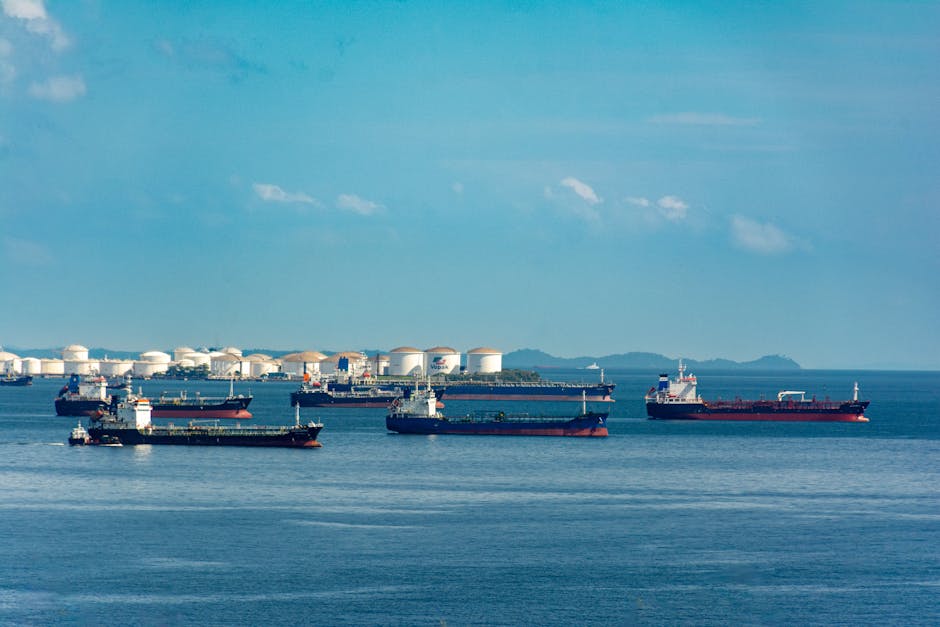
- Iran’s closure of the Strait of Hormuz has significant implications for global oil trade, with 20% of the world’s oil passing through this critical waterway.
- Increased oil prices are likely to affect businesses and consumers worldwide due to reduced oil supplies and higher shipping costs.
- The situation is being closely monitored by economists and policymakers concerned about potential consequences for the global economy.
- The Strait of Hormuz is a critical chokepoint for oil trade, with any disruption leading to significant price increases and supply chain disruptions.
- Iran’s decision to halt all traffic in the strait is a significant escalation of the conflict, with far-reaching consequences for regional players and the global economy.
The Strait of Hormuz, a critical waterway for global oil trade, has been closed by Iran in response to Israeli strikes in Lebanon, according to Iranian media reports. This move has the potential to significantly impact the global economy, as approximately 20% of the world’s oil passes through the strait. The closure of the strait could lead to increased oil prices, affecting businesses and consumers worldwide. The situation is being closely monitored by economists and policymakers, who are concerned about the potential consequences of this development.
Background and Context

The current tensions between Iran and Israel have been escalating for some time, with both countries engaging in a series of tit-for-tat strikes. The situation has been further complicated by the involvement of other regional players, including Lebanon and the United States. The closure of the Strait of Hormuz is a significant escalation of the conflict, and it has the potential to have far-reaching consequences for the global economy. The strait is a critical chokepoint for oil trade, and any disruption to traffic in the area could lead to significant price increases and supply chain disruptions.
Key Details of the Closure

According to reports, Iran has halted all traffic in the Strait of Hormuz in response to the Israeli strikes in Lebanon. The closure is expected to remain in place until further notice, although it is unclear how long the situation will persist. The Iranian government has stated that the closure is a necessary measure to protect the country’s national security interests, although the move is likely to have significant economic consequences. The international community is calling for calm and restraint, and diplomats are working to find a resolution to the situation.
Analysis of the Situation
The closure of the Strait of Hormuz has significant implications for the global economy. The strait is a critical waterway for oil trade, and any disruption to traffic in the area could lead to significant price increases and supply chain disruptions. The situation is being closely monitored by economists and policymakers, who are concerned about the potential consequences of this development. The closure of the strait could lead to increased oil prices, affecting businesses and consumers worldwide. Additionally, the situation has the potential to escalate into a broader conflict, which could have far-reaching consequences for the global economy.
Implications of the Closure
The closure of the Strait of Hormuz has significant implications for businesses and consumers worldwide. The increased oil prices could lead to higher production costs, affecting businesses across a range of industries. Consumers could also be affected, as higher oil prices could lead to increased prices for goods and services. The situation is being closely monitored by economists and policymakers, who are working to find a resolution to the situation. The international community is calling for calm and restraint, and diplomats are working to find a way to reopen the strait and restore normal traffic flow.
Expert Perspectives
Experts are divided on the potential consequences of the closure of the Strait of Hormuz. Some believe that the situation could lead to a significant escalation of the conflict, with far-reaching consequences for the global economy. Others believe that the situation can be resolved through diplomatic efforts, and that the closure of the strait is a temporary measure. According to Dr. Maria Sultan, a leading expert on Middle East politics, “The closure of the Strait of Hormuz is a significant escalation of the conflict, and it has the potential to have far-reaching consequences for the global economy.”
As the situation continues to unfold, it is unclear what the future holds. The international community is calling for calm and restraint, and diplomats are working to find a resolution to the situation. The closure of the Strait of Hormuz is a significant development, and it has the potential to have far-reaching consequences for the global economy. As the situation continues to evolve, it will be important to monitor developments closely and to work towards a peaceful resolution to the conflict.