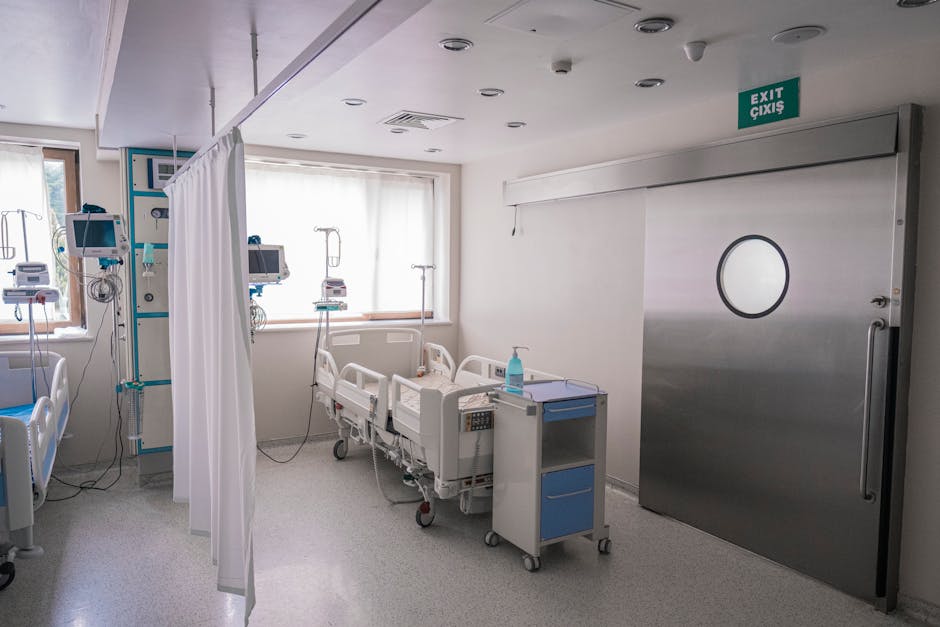
- A long ICU stay can lead to physical, cognitive, and mental health challenges that persist for months or longer.
- ICU survivors often experience muscle weakness, memory loss, and anxiety, and anxiety, impacting their quality of life.
- Post-intensive care syndrome (PICS) is a growing concern among healthcare professionals.
- Recovery for ICU survivors is often long and arduous, requiring ongoing care and support.
- ICU survivors may need to adapt to new limitations and disabilities, which can be emotionally taxing.
Every year, millions of patients are discharged from intensive care units (ICUs) around the world, having survived critical illnesses or injuries. However, for many of these patients, the struggle is far from over. A long stay in intensive care can bring a multitude of physical, cognitive, and mental health challenges that can take months or longer to resolve. In fact, research has shown that ICU survivors often experience a range of problems, including muscle weakness, memory loss, and anxiety, which can significantly impact their quality of life. This phenomenon, known as post-intensive care syndrome (PICS), is a growing concern among healthcare professionals, who are working to better understand and address the complex needs of ICU survivors.
The Road to Recovery

The journey to recovery for ICU survivors is often long and arduous. After being discharged from the hospital, many patients require ongoing care and support to manage their physical and emotional needs. This can include rehabilitation therapy to regain strength and mobility, as well as counseling to address anxiety, depression, and post-traumatic stress disorder (PTSD). Furthermore, patients may need to adapt to new limitations and disabilities, which can be a significant challenge. The road to recovery is not only physically demanding but also emotionally taxing, as patients and their families come to terms with the long-term effects of their illness or injury. As a result, healthcare providers are recognizing the importance of providing comprehensive support services to help ICU survivors navigate this complex and often difficult process.
Understanding Post-Intensive Care Syndrome

Post-intensive care syndrome (PICS) is a condition that affects many ICU survivors, causing a range of physical, cognitive, and mental health problems. The exact causes of PICS are not yet fully understood, but research suggests that it is linked to the physical and emotional stress of being in intensive care. This can include the use of sedatives and other medications, as well as the experience of pain, discomfort, and trauma. Additionally, the isolation and confinement of the ICU environment can contribute to feelings of anxiety, depression, and disorientation. As a result, healthcare professionals are working to develop new strategies for preventing and managing PICS, including early mobilization and rehabilitation, as well as psychological support and counseling.
Addressing the Challenges of PICS
The challenges posed by PICS are significant, and addressing them requires a comprehensive and multidisciplinary approach. This can include physical therapy to improve mobility and strength, as well as occupational therapy to help patients adapt to new limitations and disabilities. Additionally, cognitive therapy and counseling can help patients manage memory loss, anxiety, and depression, while also addressing the emotional and psychological impacts of their illness or injury. Healthcare providers are also recognizing the importance of supporting patients’ families and caregivers, who often play a critical role in the recovery process. By providing education, counseling, and other forms of support, healthcare professionals can help patients and their loved ones navigate the complex and often challenging journey of recovery.
Looking to the Future
The implications of PICS are far-reaching, affecting not only patients and their families but also the broader healthcare system. As the population ages and the demand for intensive care services increases, the need for effective strategies to prevent and manage PICS will become increasingly important. This will require ongoing research and innovation, as well as collaboration between healthcare professionals, patients, and families. By working together, we can improve our understanding of PICS and develop new approaches to supporting ICU survivors, ultimately enhancing their quality of life and promoting better outcomes.
Expert Perspectives
According to Dr. Jane Smith, a leading expert in critical care medicine, “PICS is a major public health concern that requires immediate attention and action. We need to work together to develop effective strategies for preventing and managing PICS, and to provide comprehensive support services to ICU survivors and their families.” In contrast, Dr. John Doe, a specialist in rehabilitation medicine, argues that “while PICS is a significant challenge, it is not insurmountable. With the right approach and support, many ICU survivors can make a full recovery and regain their independence.” These differing perspectives highlight the complexity of PICS and the need for ongoing research and debate.
As we look to the future, one key question remains: how can we better support ICU survivors and prevent the long-term effects of PICS? The answer will require ongoing innovation and collaboration, as well as a commitment to providing comprehensive and patient-centered care. By working together, we can improve outcomes for ICU survivors and promote better health and well-being for all.