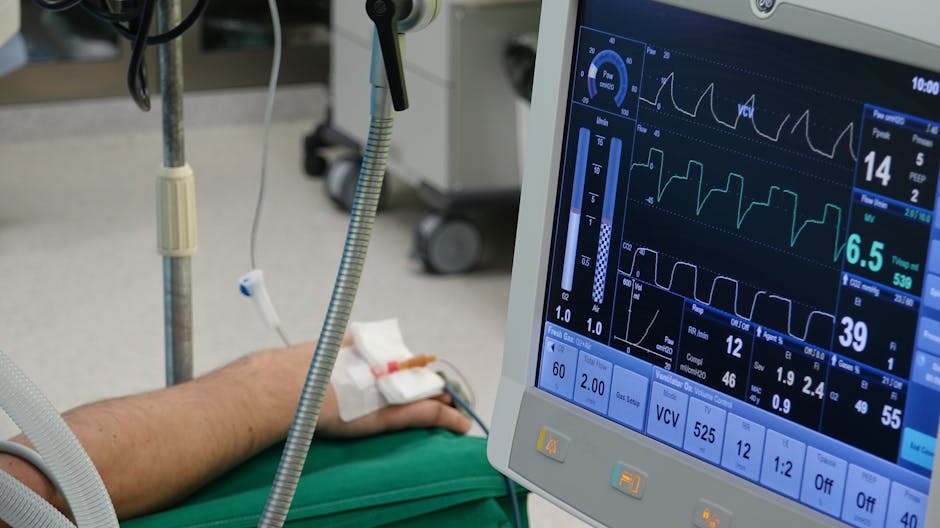
- ICU survivors experience a range of physical, cognitive, and mental health challenges post-discharge, known as Post-Intensive Care Syndrome (PICS).
- Approximately 50% of ICU patients develop PICS, affecting not only them but also their families and caregivers.
- Prolonged ICU stays, often due to complex and severe illnesses, can lead to muscle weakness, cognitive impairment, and other long-term consequences.
- The psychological trauma of a prolonged ICU stay, including pain, fear, and loss of control, can have a lasting impact on mental health and well-being.
- Healthcare providers are recognizing the need to address the long-term effects of critical illness on patients and their loved ones.
A striking fact has emerged in the field of intensive care: a significant proportion of patients who survive a prolonged stay in the ICU will experience a multitude of physical, cognitive, and mental health challenges that can persist for months or even years after discharge. This phenomenon, often referred to as Post-Intensive Care Syndrome (PICS), affects not only the patients themselves but also their families and caregivers, who must cope with the long-term consequences of critical illness. According to recent studies, approximately 50% of ICU survivors will experience some form of PICS, with symptoms ranging from muscle weakness and cognitive impairment to anxiety, depression, and post-traumatic stress disorder (PTSD).
The Road to Recovery

The reasons why PICS has become a major concern in the healthcare community are multifaceted. One key factor is the increasing complexity and severity of illnesses treated in ICUs, which often require prolonged periods of mechanical ventilation, sedation, and immobilization. These interventions, while lifesaving, can have unintended consequences, such as muscle atrophy, nerve damage, and delirium, which can significantly impede the recovery process. Furthermore, the psychological trauma associated with a prolonged ICU stay, including the experience of pain, fear, and loss of control, can have a lasting impact on a patient’s mental health and well-being. As a result, healthcare providers are now recognizing the need for a more comprehensive and multidisciplinary approach to ICU care, one that addresses not only the patient’s physical needs but also their emotional and psychological well-being.
Understanding PICS

Research has shown that PICS can manifest in various ways, depending on the individual patient’s circumstances and the specific nature of their illness. For example, patients who have undergone major surgery or experienced severe sepsis may be more likely to develop cognitive impairment, while those who have been mechanically ventilated for extended periods may be at higher risk of developing muscle weakness and respiratory problems. Additionally, the use of certain medications, such as sedatives and analgesics, can contribute to the development of delirium and other neuropsychiatric symptoms. A better understanding of these factors is essential for developing effective strategies to prevent, diagnose, and treat PICS, and to improve outcomes for ICU survivors.
Analysis and Data
Studies have consistently shown that PICS is associated with significant morbidity, mortality, and healthcare utilization. According to one recent study, ICU survivors with PICS are more likely to experience readmission to the hospital, require ongoing medical care, and have a reduced quality of life compared to those without PICS. Furthermore, the economic burden of PICS is substantial, with estimated annual costs in the billions of dollars. Experts argue that a key factor contributing to these outcomes is the lack of standardized protocols for ICU care and rehabilitation, which can result in inconsistent and inadequate support for patients during the recovery process. By analyzing data on PICS and its consequences, researchers and clinicians can identify areas for improvement and develop more effective interventions to mitigate its effects.
Implications and Consequences
The implications of PICS are far-reaching, affecting not only individual patients and their families but also the broader healthcare system. As the population ages and the prevalence of chronic diseases increases, the demand for ICU services is likely to grow, resulting in a higher incidence of PICS. Moreover, the emotional and psychological toll of PICS on patients and their loved ones can have a profound impact on their overall well-being and quality of life. Therefore, it is essential to raise awareness about PICS and its consequences, and to promote a more comprehensive and patient-centered approach to ICU care, one that prioritizes the prevention, early recognition, and effective management of PICS.
Expert Perspectives
Experts in the field of critical care medicine offer varying perspectives on the best approaches to preventing and managing PICS. Some argue that the key to reducing the incidence of PICS lies in optimizing ICU care, through the use of evidence-based protocols and the minimization of iatrogenic complications. Others emphasize the importance of providing ongoing support and rehabilitation to patients after discharge, through the use of multidisciplinary care teams and community-based services. While there may be differences in opinion regarding the most effective strategies, there is a growing consensus that PICS is a major public health concern, one that requires a coordinated and sustained response from healthcare providers, policymakers, and patients themselves.
As researchers and clinicians continue to explore the complexities of PICS, several key questions remain to be answered. What are the most effective interventions for preventing and treating PICS, and how can they be tailored to individual patient needs? How can healthcare systems be redesigned to provide more comprehensive and supportive care to ICU survivors, and what role can technology and innovation play in this process? By addressing these questions and working together to improve our understanding of PICS, we can ultimately reduce the burden of this condition and improve outcomes for the thousands of patients who experience it each year.