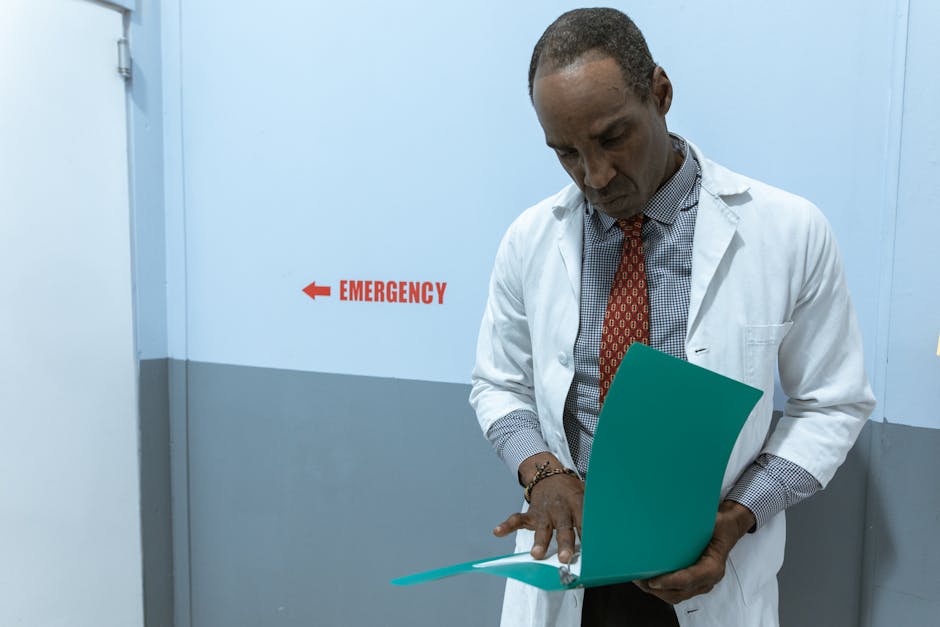
- Doctors’ strike in England has caused significant disruptions to healthcare services, affecting over 100,000 appointments and procedures.
- The strike coincided with hospital staff’s Easter holidays, exacerbating existing staffing shortages.
- Hospitals are struggling to find replacement doctors, relying on agency staff or locums to fill gaps in rotas.
- The strike has raised concerns about patient safety, with delayed or cancelled appointments leaving many anxious.
- NHS England is working to mitigate the effects of the strike, but the disruption to services has been substantial.
The latest strike by resident doctors in England has been “deliberately timed to cause havoc” by coinciding with hospital staff’s Easter holidays, the head of the NHS has claimed. Sir Jim Mackey, the chief executive of NHS England, stated that hospitals have struggled to find enough doctors to replace those who have refused to work during the six-day walkout. The strike, which began on April 8, has resulted in significant disruptions to healthcare services across the country, with many patients facing delayed or cancelled appointments. According to NHS England, the strike has affected over 100,000 appointments and procedures, leaving many patients anxious about their care.
The Impact of the Strike on Hospital Services

The timing of the strike has been particularly problematic for hospitals, which were already facing staffing shortages due to the Easter holidays. Many doctors and healthcare professionals had scheduled time off during this period, and the strike has left hospitals scrambling to find replacement staff. Sir Jim Mackey noted that the strike has been “extremely challenging” for hospitals, which are struggling to maintain adequate staffing levels. The NHS has been working to mitigate the effects of the strike, but the disruption to services has been significant. The strike has also raised concerns about patient safety, with many hospitals forced to rely on agency staff or locums to fill gaps in rotas.
Causes of the Dispute

The strike is the latest escalation in a long-running dispute between the British Medical Association (BMA) and the government over junior doctors’ pay and working conditions. The BMA has been seeking improved pay and benefits for its members, as well as reforms to the NHS’s staffing and scheduling practices. The government has offered a 5% pay rise, but the BMA has rejected this as insufficient. The dispute has been ongoing for several years, with multiple strikes and walkouts taking place. The current strike is one of the longest and most disruptive to date, with many doctors and healthcare professionals expressing frustration and anger over the government’s handling of the dispute.
Analysis of the Strike’s Effects
The strike has had significant effects on the NHS and its patients, with many services disrupted or cancelled. The NHS has been working to prioritize emergency and urgent care, but many routine appointments and procedures have been delayed or cancelled. The strike has also had a significant impact on hospital finances, with the NHS facing significant costs for agency staff and locums. According to estimates, the strike could cost the NHS up to £100 million, further exacerbating the financial pressures facing the health service. The strike has also raised concerns about the long-term sustainability of the NHS, with many experts warning that the dispute could have far-reaching consequences for the health service.
Implications for Patients and the NHS
The strike has significant implications for patients and the NHS, with many services disrupted or cancelled. The strike has also raised concerns about patient safety, with many hospitals forced to rely on agency staff or locums to fill gaps in rotas. The NHS has been working to mitigate the effects of the strike, but the disruption to services has been significant. The strike has also highlighted the need for reforms to the NHS’s staffing and scheduling practices, with many experts warning that the current system is unsustainable. The government has pledged to work with the BMA to find a resolution to the dispute, but the strike has raised significant questions about the future of the NHS and its ability to provide high-quality care to patients.
Expert Perspectives
Experts have expressed mixed views on the strike, with some supporting the doctors’ demands for better pay and working conditions. Dr. Chaand Nagpaul, the chair of the BMA, stated that the strike is a “last resort” for doctors, who are seeking fair pay and benefits for their work. However, others have criticized the strike, arguing that it is causing unnecessary disruption to patient care. Sir Jim Mackey noted that the strike is “extremely challenging” for hospitals, which are struggling to maintain adequate staffing levels. The strike has highlighted the need for reforms to the NHS’s staffing and scheduling practices, with many experts warning that the current system is unsustainable.
The strike has raised significant questions about the future of the NHS and its ability to provide high-quality care to patients. As the dispute continues, it remains to be seen how the government and the BMA will work together to find a resolution. The NHS has pledged to prioritize patient care, but the strike has highlighted the need for significant reforms to the health service. As the situation continues to unfold, patients and healthcare professionals will be watching closely to see how the dispute is resolved and what the future holds for the NHS.