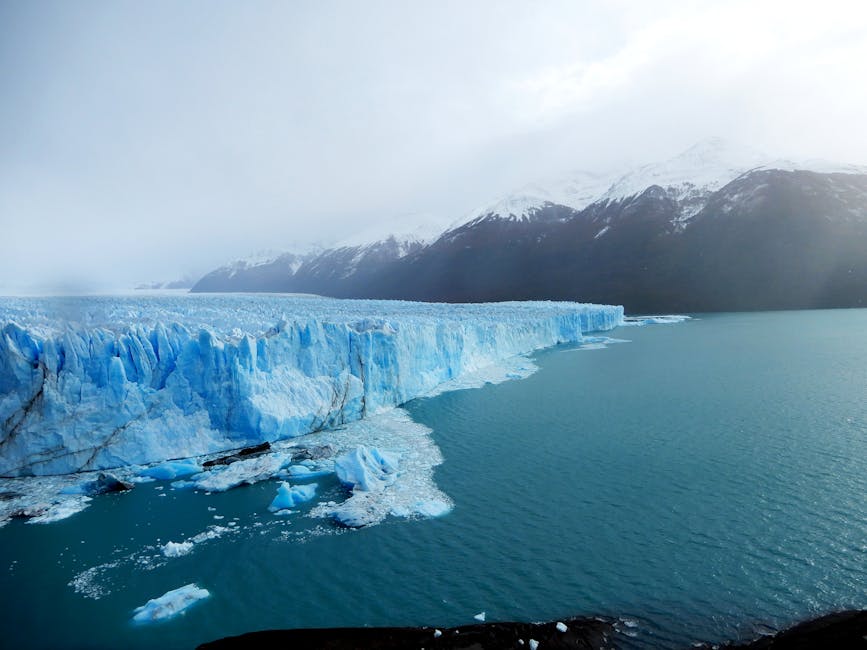
- Argentina’s parliament has approved a bill allowing mining in the country’s glaciers, sparking widespread outrage.
- The bill poses a significant threat to Argentina’s water resources and fragile ecosystem, affecting millions of millions of people who depend on glacial meltwater.
- Argentina’s glaciers cover over 15,000 square kilometers of the country’s territory, making them a vital source of freshwater.
- The extraction of mineral resources from glaciers poses significant environmental risks, including water pollution and habitat destruction.
- Argentina is facing mounting pressure to balance its economic and environmental priorities as it manages its natural resources sustainably.
In a move that has sparked widespread outrage, Argentina’s parliament has approved a bill allowing mining in the country’s glaciers, despite thousands of people taking to the streets to protest against the legislation. The bill, which was passed by a narrow margin, has been met with fierce resistance from scientists, activists, and local communities, who argue that it poses a significant threat to the country’s water resources and fragile ecosystem. With glaciers covering over 15,000 square kilometers of Argentina’s territory, the new law has the potential to impact not only the environment but also the lives of millions of people who depend on glacial meltwater for drinking, irrigation, and hydroelectric power.
The Battle Over Argentina’s Glaciers

The approval of the bill comes at a time when the Argentine government is facing mounting pressure to balance its economic and environmental priorities. The country is rich in mineral resources, including gold, copper, and silver, which are often found in glacier-covered areas. However, the extraction of these resources poses significant environmental risks, including water pollution, soil erosion, and the destruction of habitats. As the global demand for mineral resources continues to grow, Argentina is not alone in facing the challenge of how to manage its natural resources sustainably. The country’s glaciers, which are a vital source of freshwater, are particularly vulnerable to the impacts of climate change and human activities such as mining.
A Bill Born Out of Controversy

The bill to allow mining in glaciers was first introduced in 2020, but it has been met with resistance from the outset. Thousands of people have taken to the streets to protest against the legislation, which they argue will have devastating consequences for the environment and local communities. Scientists and activists have also spoken out against the bill, citing the risks of water pollution, soil erosion, and the destruction of habitats. The Argentine government has argued that the bill will create jobs and stimulate economic growth, but opponents say that these benefits will come at too great a cost. As the bill makes its way to the Senate for final approval, it remains to be seen whether the government will be able to push it through despite the mounting opposition.
Unpacking the Consequences
The approval of the bill has significant implications for Argentina’s environment and economy. The country’s glaciers are a vital source of freshwater, and any damage to these ecosystems could have far-reaching consequences for the environment and human health. The mining industry is also a significant contributor to Argentina’s economy, but the extraction of mineral resources from glacier-covered areas poses significant environmental risks. According to data from the Argentine government, the mining industry is responsible for over 10% of the country’s GDP, but it is also a major source of pollution and environmental degradation. As the country looks to balance its economic and environmental priorities, it will be important to consider the long-term consequences of allowing mining in glaciers.
A Future at Risk
The implications of the bill are far-reaching, and they will be felt not only in Argentina but also across the region. The country’s glaciers are a vital source of freshwater, and any damage to these ecosystems could have devastating consequences for the environment and human health. The bill also sets a worrying precedent for other countries in the region, which may be tempted to follow Argentina’s lead and allow mining in their own glacier-covered areas. As the world looks to mitigate the impacts of climate change, it is more important than ever to protect these fragile ecosystems and ensure that they are managed sustainably for future generations.
Expert Perspectives
Experts are divided on the implications of the bill, with some arguing that it will create jobs and stimulate economic growth, while others say that it will have devastating consequences for the environment. According to Dr. Maria Rodriguez, a leading environmental scientist, “the approval of the bill is a disaster for Argentina’s environment and economy. The country’s glaciers are a vital source of freshwater, and any damage to these ecosystems could have far-reaching consequences for the environment and human health.” In contrast, the Argentine government has argued that the bill will create jobs and stimulate economic growth, saying that “the mining industry is a significant contributor to our economy, and we must do everything we can to support it.”
As the bill makes its way to the Senate for final approval, it remains to be seen whether the government will be able to push it through despite the mounting opposition. One thing is certain, however: the fate of Argentina’s glaciers and the country’s environment hang in the balance. As the world looks to mitigate the impacts of climate change, it will be important to watch how this story unfolds and to consider the implications for the environment and human health. The question on everyone’s mind is: what will be the long-term consequences of allowing mining in Argentina’s glaciers, and how will the country balance its economic and environmental priorities in the years to come?