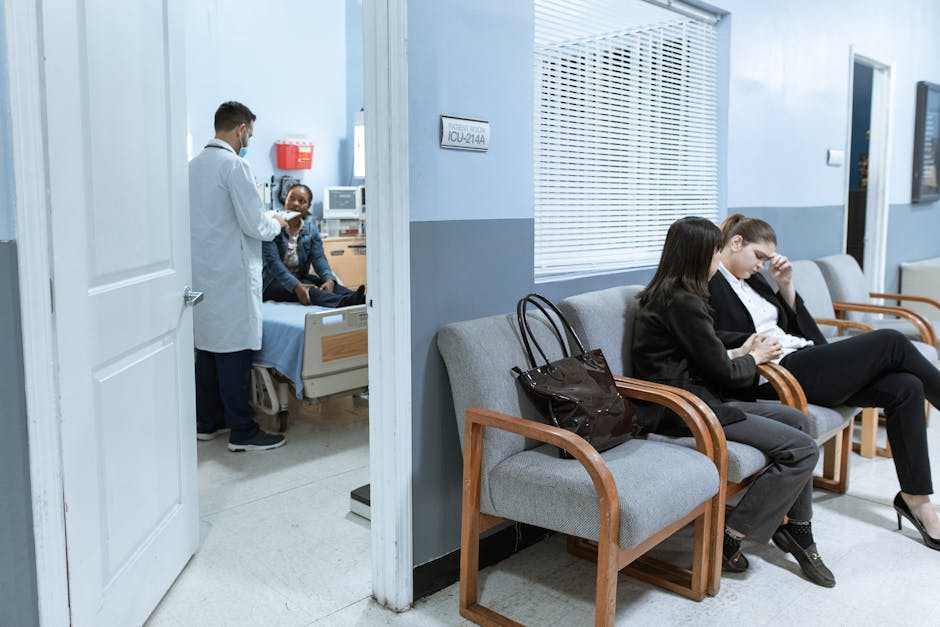
- WHO recommends new diagnostic tools to help end tuberculosis, a disease that claims over 1.5 million lives each year.
- New innovations such as point-of-care diagnostic tests and tongue swabs can help detect TB faster and reach more people.
- The use of new diagnostic tools is crucial to achieving the WHO’s goal to end TB by 2030.
- Low-resource settings will benefit significantly from improved access to diagnosis and treatment of TB.
- Significant investments in new technologies, infrastructure, and healthcare systems are required to end TB.
The World Health Organization (WHO) has announced new recommendations for diagnostic tools to help end tuberculosis (TB), a disease that claims over 1.5 million lives each year. On World TB Day, the WHO is urging countries to accelerate action to end TB and expand access to lifesaving services by using new innovations such as diagnostic tests that can be used near the point-of-care and tongue swabs that can help detect the disease faster, reaching more people. This move is expected to significantly improve the diagnosis and treatment of TB, especially in low-resource settings where access to healthcare is limited.
The Burden of Tuberculosis

Tuberculosis remains one of the world’s deadliest infectious diseases, with the WHO estimating that 10 million people fell ill with TB in 2020 alone. The disease is particularly prevalent in low- and middle-income countries, where it is often difficult to access diagnosis and treatment. The WHO has set a goal to end TB by 2030, but achieving this goal will require significant investments in new technologies, infrastructure, and healthcare systems. The use of new diagnostic tools is a crucial step towards achieving this goal, as it will enable healthcare workers to quickly and accurately diagnose TB, even in remote and resource-poor areas.
New Diagnostic Tools

The new diagnostic tools recommended by the WHO include rapid diagnostic tests that can be used near the point-of-care, as well as tongue swabs that can help detect the disease faster. These tools are expected to significantly improve the diagnosis and treatment of TB, especially in low-resource settings where access to healthcare is limited. The WHO has also recommended the use of new treatments, including bedaquiline and delamanid, which have been shown to be effective against multidrug-resistant TB. These new tools and treatments offer hope for the millions of people around the world who are affected by TB.
Analysis and Impact
The introduction of new diagnostic tools and treatments is a major breakthrough in the fight against TB. According to the WHO, the use of rapid diagnostic tests can reduce the time it takes to diagnose TB from weeks to hours, enabling healthcare workers to quickly initiate treatment and prevent the spread of the disease. The use of tongue swabs is also expected to improve the diagnosis of TB in children, who are often difficult to diagnose using traditional methods. The WHO estimates that the use of new diagnostic tools and treatments could save millions of lives and help to achieve the goal of ending TB by 2030.
Implications and Next Steps
The introduction of new diagnostic tools and treatments has significant implications for the millions of people around the world who are affected by TB. The use of these tools and treatments is expected to improve health outcomes, reduce the spread of the disease, and help to achieve the goal of ending TB by 2030. However, achieving this goal will require significant investments in healthcare systems, infrastructure, and new technologies. The WHO is urging countries to accelerate action to end TB and to expand access to lifesaving services, including the use of new diagnostic tools and treatments.
Expert Perspectives
Experts in the field of TB research and treatment have welcomed the WHO’s new recommendations, saying that they offer hope for the millions of people around the world who are affected by the disease. According to Dr. Mario Raviglione, Director of the WHO’s Global TB Programme, the use of new diagnostic tools and treatments is a major breakthrough in the fight against TB. However, other experts have cautioned that achieving the goal of ending TB by 2030 will require significant investments in healthcare systems and infrastructure, as well as a sustained commitment to funding and research.
As the world marks World TB Day, there are many questions about what the future holds for the fight against TB. Will the use of new diagnostic tools and treatments be enough to achieve the goal of ending TB by 2030? What other investments and commitments will be needed to ensure that this goal is achieved? As researchers, policymakers, and healthcare workers look to the future, one thing is clear: the fight against TB will require a sustained commitment to funding, research, and innovation, as well as a continued focus on improving health outcomes and reducing the spread of the disease.