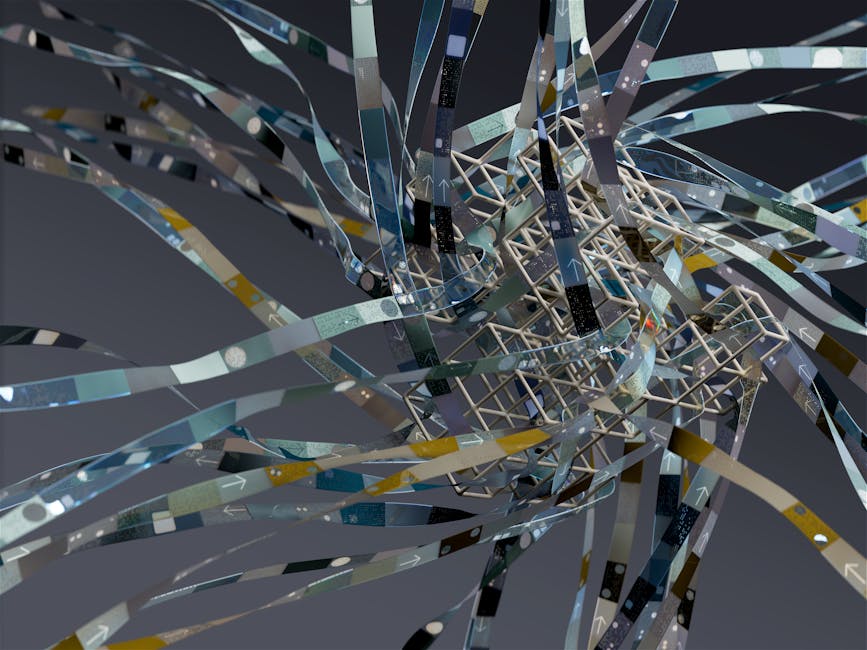
- AI-generated images have undergone a remarkable transformation over the past decade, with significant advancements in machine learning technologies and computational power.
- Modern AI algorithms can produce images that are almost indistinguishable from real-life photographs, with intricate textures, realistic lighting, and precise attention to detail.
- The rapid progress in AI-generated art has led to new applications in fields such as advertising, education, and healthcare.
- The increasing sophistication of AI-generated images raises essential questions about the potential consequences of this technology and its impact on our perceptions of reality.
- The evolution of AI-generated art has pushed the boundaries of creativity and innovation, with ongoing research and development driving further advancements.
The ability of artificial intelligence to generate realistic images has undergone a remarkable transformation over the past decade. A striking example of this progress is the comparison of an AI-generated cow from 12 years ago to its modern counterpart. The earlier image, which was recently shared on social media, appears simplistic and lacks the detail and nuance that we have come to expect from AI-generated art today. In contrast, modern AI algorithms are capable of producing images that are almost indistinguishable from real-life photographs, with intricate textures, realistic lighting, and precise attention to detail.
The Evolution of AI-Generated Art

The significant advancements in AI-generated art can be attributed to the rapid progress in machine learning technologies and the increasing availability of computational power. As researchers and developers continue to push the boundaries of what is possible with AI, we are witnessing a new era of creativity and innovation. The implications of this technology extend far beyond the realm of art, with potential applications in fields such as advertising, education, and even healthcare. As AI-generated images become increasingly sophisticated, it is essential to consider the potential consequences of this technology and how it may shape our perceptions of reality.
Key Developments in AI-Generated Images

One of the key factors contributing to the improved quality of AI-generated images is the development of more advanced neural networks. These complex algorithms are capable of learning from vast amounts of data, allowing them to recognize patterns and generate images that are remarkably realistic. Additionally, the increasing use of generative adversarial networks (GANs) has enabled AI systems to produce images that are highly detailed and nuanced. As researchers continue to refine these technologies, we can expect to see even more impressive examples of AI-generated art in the future.
Expert Analysis and Insights
According to experts in the field, the rapid progress in AI-generated images is a testament to the power of machine learning and the potential for AI to revolutionize various industries. The ability to generate realistic images has numerous applications, from creating personalized avatars for social media to developing highly realistic special effects for films and video games. However, as AI-generated images become increasingly sophisticated, there are also concerns about the potential misuse of this technology, such as the creation of deepfakes or fake news stories.
Implications and Future Directions
The implications of AI-generated images are far-reaching, with potential consequences for various aspects of our lives. As this technology continues to evolve, it is essential to consider the potential risks and benefits and to develop strategies for mitigating any negative consequences. Furthermore, as AI-generated images become increasingly prevalent, it is crucial to develop methods for distinguishing between real and fake images, in order to prevent the spread of misinformation and to protect individuals from potential harm.
Expert Perspectives
Experts in the field of AI and machine learning offer contrasting viewpoints on the potential consequences of AI-generated images. While some believe that this technology has the potential to revolutionize various industries and to enable new forms of creativity, others are more cautious, highlighting the potential risks and challenges associated with this technology. As the debate continues, it is essential to consider the potential implications of AI-generated images and to develop strategies for ensuring that this technology is used responsibly and for the benefit of society.
As we look to the future, it is clear that AI-generated images will play an increasingly important role in shaping our perceptions of reality. With the potential for both positive and negative consequences, it is essential to continue monitoring the development of this technology and to consider the potential implications for various aspects of our lives. One open question that remains is how we will distinguish between real and fake images in the future, and what strategies we will develop to mitigate the potential risks associated with AI-generated images.