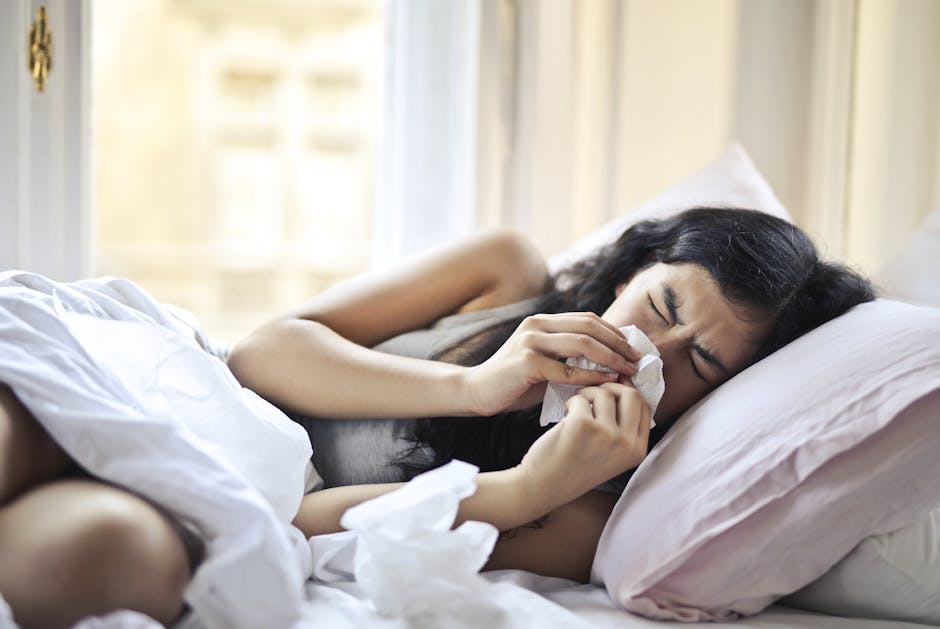
- More than 50 million people in the US suffer from allergies, with spring being the worst time of year.
- Spring allergies account for over 70% of all allergy-related doctor visits.
- The Asthma and Allergy Foundation of America releases an annual list of the top cities for pollen allergies.
- The AAFA’s rankings consider factors like pollen counts, medication usage, and the number of allergy sufferers in each city.
- Cities from the East Coast to the West Coast are among the worst for spring allergies.
As the weather warms up and flowers begin to bloom, millions of Americans are bracing themselves for the dreaded spring allergy season. According to the Asthma and Allergy Foundation of America (AAFA), over 50 million people in the US suffer from allergies, with spring being the worst time of year for many. In fact, the AAFA has reported that spring allergies account for over 70% of all allergy-related doctor visits. This year, the AAFA has released its annual list of the top 20 worst cities for pollen allergies, and the results may surprise you.
Understanding the Rankings

The AAFA’s rankings are based on a variety of factors, including pollen counts, medication usage, and the number of allergy sufferers in each city. The organization uses data from over 100 cities across the US to determine which cities are the most challenging for people with spring allergies. This year’s list includes cities from all over the country, from the East Coast to the West Coast. The rankings are important because they help people with allergies prepare for the upcoming season and take steps to manage their symptoms. By knowing which cities are the worst for pollen allergies, individuals can take proactive measures to reduce their exposure to allergens and minimize their discomfort.
The Top 20 Worst Cities for Spring Allergies

The top 20 worst cities for spring allergies in 2026 are a mix of urban and rural areas, with some cities experiencing extremely high pollen counts. The top 5 cities on the list are Knoxville, Tennessee; Chattanooga, Tennessee; Jackson, Mississippi; Memphis, Tennessee; and Oklahoma City, Oklahoma. These cities are followed closely by other Southern cities, such as Birmingham, Alabama, and Louisville, Kentucky. The AAFA reports that these cities have some of the highest pollen counts in the country, with trees, grasses, and weeds all contributing to the problem. For example, Knoxville, Tennessee, has a pollen count of over 2,500 grains per cubic meter, making it one of the worst cities in the country for spring allergies.
Causes and Effects of Spring Allergies
So, what causes spring allergies, and why are they so bad in certain cities? The answer lies in the types of plants that are common in each area. Trees, grasses, and weeds all produce pollen, which is then carried through the air and inhaled by people. In cities with high pollen counts, the air is filled with allergens, making it difficult for people with allergies to breathe. The effects of spring allergies can be severe, ranging from mild discomfort to life-threatening reactions. Common symptoms include congestion, sneezing, and itchy eyes, as well as more serious problems like asthma attacks and sinus infections. According to the AAFA, spring allergies cost the US economy over $18 billion annually, making them a significant public health concern.
Implications for Public Health
The implications of spring allergies are far-reaching, affecting not only individuals but also the economy and society as a whole. People with spring allergies may need to take time off work or school, resulting in lost productivity and revenue. Additionally, the cost of medical treatment and medication can be significant, placing a burden on the healthcare system. The AAFA reports that the average person with allergies spends over $1,000 per year on medication and doctor visits, making spring allergies a significant financial burden. Furthermore, spring allergies can also have a significant impact on mental health, with many people experiencing anxiety and depression due to their symptoms.
Expert Perspectives
Experts agree that spring allergies are a significant public health concern, and that more needs to be done to address the issue. “Spring allergies are a major problem for many people, and it’s essential that we take steps to reduce exposure to allergens and improve treatment options,” says Dr. James Sublett, president of the AAFA. “By understanding which cities are the worst for pollen allergies, we can better prepare people for the upcoming season and help them manage their symptoms.” Dr. Sublett also notes that there are many effective treatments available for spring allergies, including medication, immunotherapy, and lifestyle changes. For example, people with allergies can reduce their exposure to allergens by staying indoors during peak pollen hours, using air purifiers, and wearing masks when outdoors.
As the spring allergy season gets underway, it’s essential to stay informed and take proactive steps to manage symptoms. Whether you live in one of the top 20 worst cities for spring allergies or just want to be prepared, there are many resources available to help. From medication and immunotherapy to lifestyle changes and alternative treatments, there are many ways to reduce the impact of spring allergies and breathe easy. One open question is how climate change will affect spring allergies in the future, with some experts predicting that warmer temperatures and changing precipitation patterns could lead to even higher pollen counts and more severe allergy symptoms. As research continues to evolve, it’s likely that we’ll see new and innovative treatments for spring allergies, making it easier for people to manage their symptoms and live healthy, happy lives.