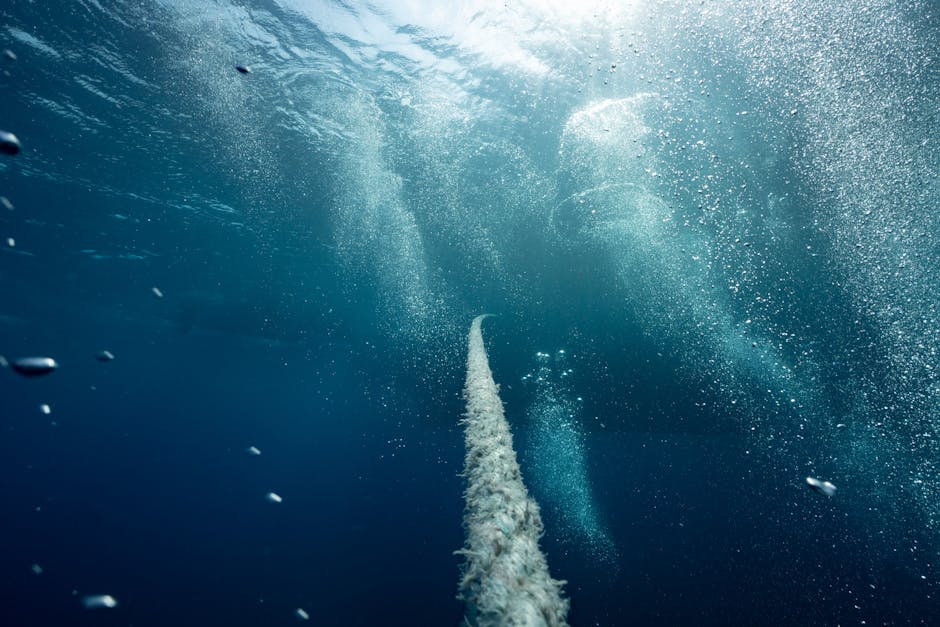
- NATO has launched its first coordinated effort to counter critical infrastructure disruption, triggered by a suspected sabotage of a deep-sea cable in the Baltic Sea.
- The incident highlights the growing threat to global communication networks, which are increasingly reliant on underwater cables for international communication and data transfer.
- The severed cable is the latest in a series of incidents that have raised concerns about the vulnerability of critical infrastructure.
- NATO’s response underscores the severity of the situation and the potential consequences of inaction on global trade and economic stability.
- The alliance’s move is a significant step towards enhancing international cooperation to protect critical infrastructure and ensure the stability of the global economy.
The suspected sabotage of a deep-sea cable in the Baltic Sea has triggered a historic response from NATO, marking the alliance’s first coordinated effort to counter a campaign of critical infrastructure disruption. According to reports, the severed cable is the latest in a series of incidents that have raised concerns about the vulnerability of global communication networks. With the global economy increasingly reliant on underwater cables to facilitate international communication and data transfer, the incident has significant implications for trade and economic stability. The fact that NATO has responded with a coordinated effort underscores the severity of the situation and the potential consequences of inaction.
The Growing Threat to Critical Infrastructure

The incident is a stark reminder of the growing threat to critical infrastructure, which has become a key concern for governments and industries around the world. As the global economy becomes increasingly interconnected, the potential consequences of disruptions to critical infrastructure have become more severe. The suspected sabotage of deep-sea cables is just one example of the many threats that exist, and it highlights the need for a coordinated response to mitigate these risks. With the alliance’s response, NATO is demonstrating its commitment to protecting critical infrastructure and ensuring the stability of the global economy. The move is also seen as a significant step towards enhancing international cooperation on cybersecurity and infrastructure protection.
Key Details of the Incident

According to reports, the suspected sabotage occurred in the Baltic Sea, where a deep-sea cable was severed, disrupting communication networks in the region. The incident is the latest in a series of similar events, which have raised concerns about the vulnerability of global communication networks. The severed cable is owned by a private company, but its disruption has had significant implications for regional trade and economic stability. Investigators are still working to determine the cause of the incident, but suspicion has fallen on sabotage, given the similarities with previous incidents. The fact that NATO has responded with a coordinated effort suggests that the alliance believes the incident is part of a larger campaign to disrupt critical infrastructure.
Analysis of the Incident
Analysts believe that the suspected sabotage of the deep-sea cable is part of a broader campaign to disrupt critical infrastructure, which has significant implications for global economic stability. The incident highlights the vulnerability of underwater cables, which are a critical component of global communication networks. With the global economy increasingly reliant on these cables to facilitate international communication and data transfer, disruptions can have severe consequences for trade and economic stability. Experts also point to the potential for cyberattacks, which could have even more devastating consequences. The fact that NATO has responded with a coordinated effort underscores the severity of the situation and the need for a comprehensive approach to mitigating these risks.
Implications of the Incident
The suspected sabotage of the deep-sea cable has significant implications for regional trade and economic stability. The disruption of communication networks can have severe consequences for businesses and industries that rely on these networks to operate. The incident also highlights the need for enhanced international cooperation on cybersecurity and infrastructure protection, as the global economy becomes increasingly interconnected. With the alliance’s response, NATO is demonstrating its commitment to protecting critical infrastructure and ensuring the stability of the global economy. The move is also seen as a significant step towards enhancing international cooperation on cybersecurity and infrastructure protection, which will be critical in mitigating the risks associated with disruptions to critical infrastructure.
Expert Perspectives
Experts are divided on the motivations behind the suspected sabotage, with some pointing to state-sponsored actors and others to non-state actors. However, there is consensus on the need for a comprehensive approach to mitigating the risks associated with disruptions to critical infrastructure. According to one expert, “the incident highlights the need for enhanced international cooperation on cybersecurity and infrastructure protection, as the global economy becomes increasingly interconnected.” Another expert notes that “the fact that NATO has responded with a coordinated effort underscores the severity of the situation and the potential consequences of inaction.”
Looking ahead, the key question is what steps will be taken to prevent similar incidents in the future. Will the alliance’s response be sufficient to deter future attacks, or will more needs to be done to enhance the security of critical infrastructure? As the global economy continues to evolve, the importance of protecting critical infrastructure will only continue to grow, making it essential to develop a comprehensive approach to mitigating these risks. With the suspected sabotage of the deep-sea cable, NATO has taken a significant step towards enhancing international cooperation on cybersecurity and infrastructure protection, but more work remains to be done to ensure the stability of the global economy.