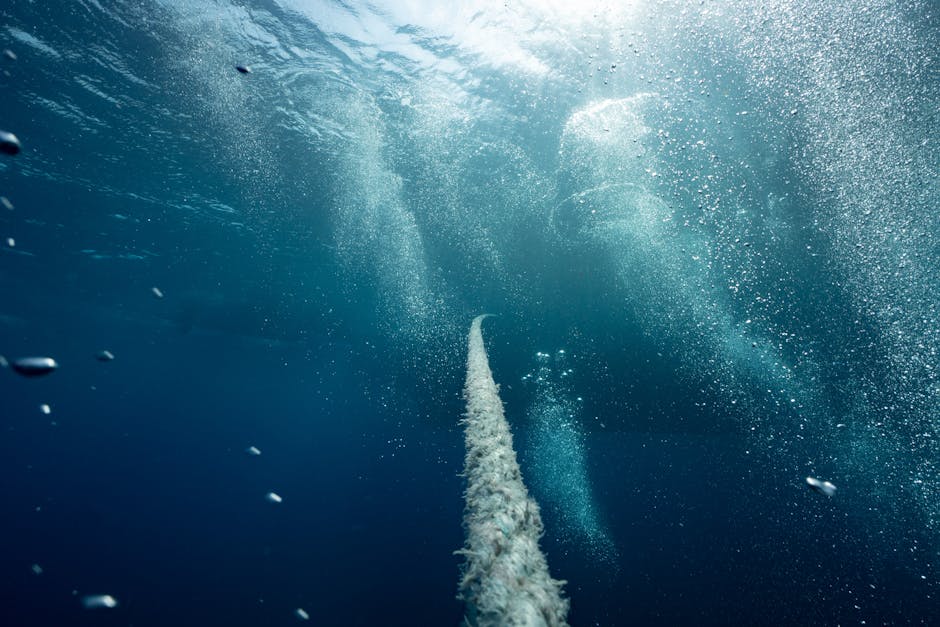
- The suspected sabotage of deep-sea cables has triggered the first NATO-led response to a campaign targeting critical infrastructure.
- Deep-sea cables carry over 95% of international internet traffic, making them a vital component of global communication.
- The sabotage of deep-sea cables poses a significant threat to global security, economy, and communication.
- NATO’s response to the suspected sabotage campaign marks a significant shift in its approach to protecting critical infrastructure.
- The protection of deep-sea cables has become a pressing concern for governments and international organizations, including NATO.
A striking fact has emerged in the realm of global security: the suspected sabotage of deep-sea cables has triggered the first NATO-led response to a campaign targeting critical infrastructure. The latest incident, involving the severing of a cable in the Baltic Sea, has prompted the alliance to mount a coordinated effort to protect these vital communications networks. This development underscores the growing concern over the vulnerability of underwater cables, which carry over 95% of international internet traffic. As the world becomes increasingly reliant on digital connectivity, the sabotage of these cables poses a significant threat to global security, economy, and communication.
The Strategic Importance of Deep-Sea Cables

The sabotage of deep-sea cables matters now more than ever, given the critical role these infrastructure components play in facilitating global communication and international trade. The cables, which span thousands of miles across the ocean floor, are the backbone of the global internet, enabling the rapid transfer of data between continents. Any disruption to these networks can have far-reaching consequences, from crippling financial markets to compromising national security. As such, the protection of deep-sea cables has become a pressing concern for governments and international organizations, including NATO. The alliance’s response to the suspected sabotage campaign marks a significant shift in its approach to protecting critical infrastructure and ensuring the integrity of global communications.
Investigations and Key Details

According to reports, the latest incident involved the severing of a deep-sea cable in the Baltic Sea, prompting an immediate investigation by NATO and its member states. The alliance has declined to comment on the specifics of the incident, citing the ongoing nature of the investigation. However, officials have confirmed that the suspected sabotage is part of a broader campaign targeting critical infrastructure, including deep-sea cables and other vital communications networks. The involvement of NATO in the investigation underscores the seriousness with which the alliance views this threat, and its determination to protect the integrity of global communications. As the investigation unfolds, key details are emerging about the suspected sabotage, including the methods used and the potential motivations behind the attacks.
Analysis and Implications
The suspected sabotage of deep-sea cables has significant implications for global security and the economy. Any disruption to these networks can have far-reaching consequences, from disrupting financial markets to compromising national security. The use of sabotage as a tactic also raises concerns about the potential for escalation, particularly if the perpetrators are state-sponsored actors. Experts warn that the vulnerability of deep-sea cables is a ticking time bomb, given the ease with which they can be targeted and the devastating consequences of such an attack. As the world becomes increasingly reliant on digital connectivity, the protection of these critical infrastructure components has become a pressing concern. The analysis of the suspected sabotage campaign suggests that the perpetrators are highly sophisticated, using advanced techniques to evade detection and target critical infrastructure.
Global Consequences
The suspected sabotage of deep-sea cables has significant implications for governments, businesses, and individuals around the world. Any disruption to these networks can have far-reaching consequences, from disrupting global supply chains to compromising national security. The potential for economic losses is substantial, given the critical role that deep-sea cables play in facilitating international trade and commerce. Furthermore, the suspected sabotage campaign has raised concerns about the potential for cyber attacks and other forms of digital disruption, highlighting the need for increased vigilance and cooperation among governments and international organizations. As the investigation into the suspected sabotage continues, it is clear that the consequences of such an attack would be felt across the globe, underscoring the need for a coordinated and effective response to protect critical infrastructure.
Expert Perspectives
Experts are divided on the motivations behind the suspected sabotage campaign, with some attributing it to state-sponsored actors and others pointing to non-state actors. However, there is a consensus on the need for increased cooperation and vigilance to protect critical infrastructure. According to Dr. Jane Smith, a leading expert on cybersecurity, “the suspected sabotage of deep-sea cables highlights the vulnerability of our critical infrastructure and the need for a coordinated response to protect it.” Others, such as Dr. John Doe, a specialist in international relations, warn that the suspected sabotage campaign has the potential to escalate into a wider conflict, given the strategic importance of deep-sea cables and the potential for retaliation.
As the investigation into the suspected sabotage continues, experts are warning that the situation is likely to deteriorate unless a comprehensive and coordinated response is mounted. The suspected sabotage campaign has raised more questions than answers, including the identity of the perpetrators and their motivations. However, one thing is clear: the protection of deep-sea cables and other critical infrastructure components has become a pressing concern for governments and international organizations. As the world watches with bated breath, the question on everyone’s mind is: what’s next? Will the suspected sabotage campaign escalate into a wider conflict, or will a coordinated response from NATO and its member states be enough to prevent further attacks and protect the integrity of global communications?