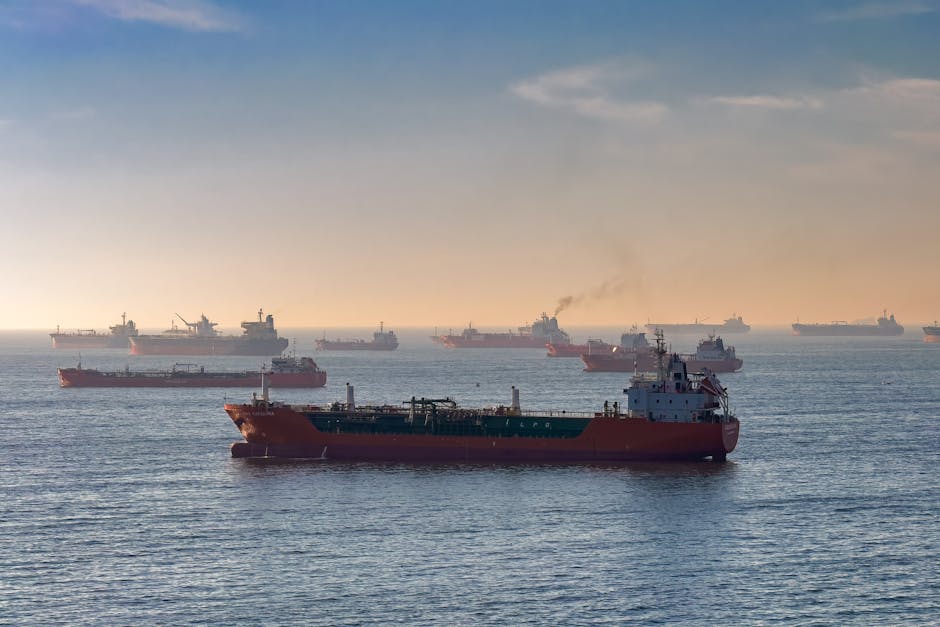
- The Strait of Hormuz is a critical shipping route, handling over 20% of global oil shipments, including oil and essential goods.
- Regional tensions in the area have raised concerns about the strait’s status, potentially leading to disruptions and increased costs for global trade.
- The strait’s narrow width and long length make it a chokepoint for global trade, with any disruptions having significant economic and political implications.
- Live ship tracking APIs enable real-time monitoring of ship movements, providing valuable insights into the strait’s status and potential disruptions.
- Access to accurate and timely data is essential for understanding the situation and making informed decisions about trade and commerce.
The Strait of Hormuz, a narrow waterway connecting the Persian Gulf to the Gulf of Oman, is one of the most critical shipping routes in the world, with over 20% of global oil passing through it. Recently, there have been concerns about the status of the strait, with some reports suggesting that it may be closed or restricted due to regional tensions. This has significant implications for global trade and the economy, as any disruption to shipping routes could lead to increased costs and decreased availability of essential goods. In an effort to provide clarity on the situation, one developer created a tool to track ship movements in the area, highlighting the importance of access to accurate and timely data in understanding the situation.
Background and Significance

The Strait of Hormuz has long been a vital waterway, with many countries relying on it for the transport of oil and other essential goods. The strait is approximately 90 miles long and 21 miles wide at its narrowest point, making it a critical chokepoint for global trade. Any disruption to shipping routes in the area could have significant economic and political implications, making it essential to monitor the situation closely. With the rise of technologies such as live ship tracking APIs, it has become possible to track ship movements in real-time, providing valuable insights into the status of the strait and the potential impact of any disruptions.
Key Developments and Challenges

Despite the importance of the Strait of Hormuz, there are significant challenges in obtaining accurate and timely data on ship movements in the area. Live ship tracking APIs are expensive, making it difficult for individuals and organizations to access the data they need. In response to this challenge, the developer behind the tool to track ship movements in the Strait of Hormuz manually copied JSON data from a marine traffic website, highlighting the need for more accessible and affordable data sources. While this approach provides some insight into the situation, it is not a sustainable solution, and there is a need for more robust and reliable data sources to support decision-making.
Analysis and Implications
The situation in the Strait of Hormuz has significant implications for global trade and the economy. Any disruption to shipping routes could lead to increased costs and decreased availability of essential goods, making it essential to monitor the situation closely. With the use of technologies such as live ship tracking APIs, it is possible to track ship movements in real-time, providing valuable insights into the status of the strait and the potential impact of any disruptions. However, the high cost of these APIs and the lack of accessible data sources create significant challenges, highlighting the need for more investment in data infrastructure and more collaborative approaches to data sharing.
Regional and Global Implications
The Strait of Hormuz is a critical waterway with significant regional and global implications. Any disruption to shipping routes could have far-reaching consequences, from increased costs and decreased availability of essential goods to potential conflicts and instability in the region. It is essential to monitor the situation closely and to invest in data infrastructure and collaborative approaches to data sharing to support decision-making and minimize the risks associated with disruptions to shipping routes. With the rise of technologies such as live ship tracking APIs, it is possible to track ship movements in real-time, providing valuable insights into the status of the strait and the potential impact of any disruptions.
Expert Perspectives
Experts in the field highlight the importance of access to accurate and timely data in understanding the situation in the Strait of Hormuz. “The ability to track ship movements in real-time is critical in understanding the status of the strait and the potential impact of any disruptions,” said one expert. “However, the high cost of live ship tracking APIs and the lack of accessible data sources create significant challenges, highlighting the need for more investment in data infrastructure and more collaborative approaches to data sharing.” Others emphasize the need for a more nuanced understanding of the situation, taking into account the complex geopolitical dynamics at play in the region.
Looking ahead, it is essential to continue monitoring the situation in the Strait of Hormuz closely, investing in data infrastructure and collaborative approaches to data sharing to support decision-making and minimize the risks associated with disruptions to shipping routes. As technologies such as live ship tracking APIs continue to evolve, it is likely that we will see new opportunities for real-time monitoring and analysis, providing valuable insights into the status of the strait and the potential impact of any disruptions. However, it is also important to recognize the challenges and limitations of these technologies, and to work towards more sustainable and equitable solutions that support the needs of all stakeholders involved.