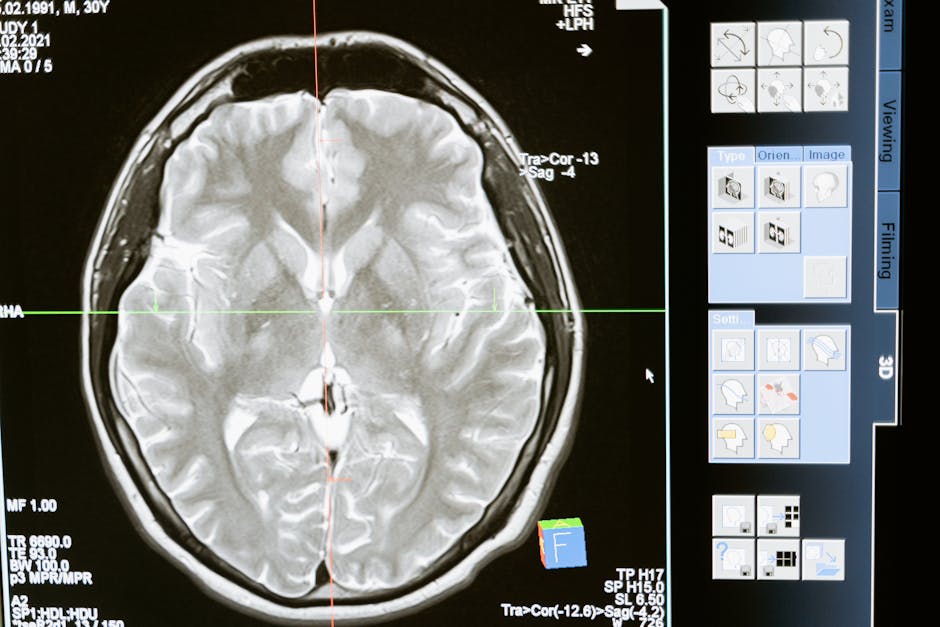
- Psychedelics can alter brain activity in 8 key regions, leading to changes in perception, mood, and cognition.
- Research suggests that LSD, psilocybin, and DMT increase activity in various brain regions, causing hallucinations and altered states of consciousness.
- Studies have identified distinct patterns of brain activity associated with different types of psychedelics.
- The study of psychedelics may inform the development of new treatments for mental health disorders.
- Advanced neuroimaging techniques, such as fMRI, are being used to map the neural correlates of psychedelic experiences.
A striking fact has emerged from recent studies on psychedelics: these hallucinogenic drugs can alter brain activity in profound ways, driving changes in perception, mood, and cognition. According to a comprehensive analysis of hundreds of images from several studies, psychedelics such as LSD, psilocybin, and DMT can increase activity in various regions of the brain, leading to the characteristic hallucinations and altered states of consciousness associated with their use. This research has significant implications for our understanding of the neural basis of psychedelic experiences and may ultimately inform the development of new treatments for mental health disorders. With the growing interest in psychedelics as potential therapeutic agents, it is essential to understand how these substances affect the brain and what this might mean for human health.
The Neuroscience of Psychedelic Experiences

The study of psychedelics and their effects on the brain is a rapidly evolving field, with researchers using advanced neuroimaging techniques such as functional magnetic resonance imaging (fMRI) to map the neural correlates of psychedelic experiences. By analyzing data from hundreds of participants, scientists have identified distinct patterns of brain activity associated with different types of psychedelics, shedding light on the complex neural mechanisms that underlie their effects. This research has also highlighted the importance of considering the brain as a dynamic, interconnected system, rather than focusing on individual regions in isolation. As our understanding of the neuroscience of psychedelics grows, so too does the potential for developing innovative treatments for a range of mental health conditions, from depression and anxiety to addiction and post-traumatic stress disorder.
Key Findings: Brain Regions and Psychedelic Effects

So, what do we know about the specific brain regions affected by psychedelics? Research has shown that these substances can increase activity in areas such as the visual cortex, which processes visual information, and the default mode network, a set of regions involved in self-referential thinking and introspection. Other brain regions, including the prefrontal cortex and the amygdala, also appear to be impacted by psychedelic use, with changes in activity patterns contributing to the characteristic effects of these substances, such as altered perception and mood. Furthermore, studies have identified distinct differences in brain activity between different types of psychedelics, suggesting that each substance may have a unique neural signature. By elucidating the neural mechanisms that underlie psychedelic effects, researchers hope to gain a deeper understanding of the complex interactions between brain, mind, and behavior.
Causes and Effects: Unpacking the Neuroscience
But what causes the changes in brain activity associated with psychedelic use, and what are the effects of these changes on human behavior and cognition? To address these questions, researchers are drawing on a range of theoretical frameworks, from neuroscience and psychology to philosophy and anthropology. One key concept is the idea of neural plasticity, which refers to the brain’s ability to reorganize and adapt in response to experience. Psychedelics, it seems, can promote neural plasticity, allowing the brain to rewire and reform in ways that may be beneficial for mental health. Additionally, studies have highlighted the importance of considering the role of context and environment in shaping psychedelic experiences, with factors such as setting and mindset influencing the effects of these substances. As we continue to explore the causes and effects of psychedelic use, we may uncover new insights into the complex interplay between brain, behavior, and environment.
Implications and Applications
The implications of this research are far-reaching, with potential applications in fields such as mental health, neuroscience, and philosophy. For example, the ability of psychedelics to promote neural plasticity and alter brain activity patterns may make them useful therapeutic agents for treating conditions such as depression and anxiety, which are often characterized by rigid, maladaptive patterns of thinking and behavior. Furthermore, the study of psychedelics and their effects on the brain may also inform our understanding of the neural basis of consciousness and the human experience, shedding light on fundamental questions about the nature of reality and our place within it. As researchers continue to explore the potential benefits and risks of psychedelic use, we may uncover new avenues for treating mental health disorders and promoting human well-being.
Expert Perspectives
Experts in the field of psychedelic research offer a range of perspectives on the significance and potential applications of this work. Some researchers emphasize the therapeutic potential of psychedelics, highlighting their ability to promote neural plasticity and alter brain activity patterns in ways that may be beneficial for mental health. Others focus on the importance of considering the risks and challenges associated with psychedelic use, including the potential for adverse reactions and the need for careful dosing and administration. As the field continues to evolve, it is likely that we will see a growing diversity of perspectives and approaches, reflecting the complexity and multifaceted nature of psychedelic experiences.
Looking to the future, one of the key questions that researchers will need to address is how to harness the potential benefits of psychedelics while minimizing their risks. This may involve developing new therapeutic protocols and treatment guidelines, as well as exploring innovative methods for administering and dosing these substances. Additionally, the study of psychedelics and their effects on the brain may also inform our understanding of the neural basis of human consciousness and behavior, shedding light on fundamental questions about the nature of reality and our place within it. As we continue to explore the frontiers of psychedelic research, we may uncover new insights into the complex interplay between brain, mind, and behavior, and discover innovative new approaches to promoting human health and well-being.