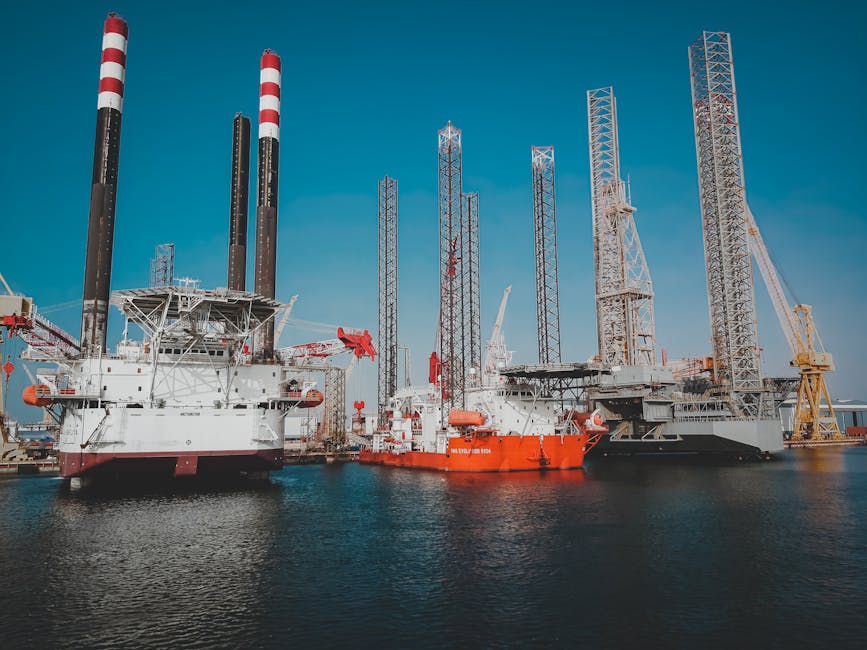
- Oil prices surged 10% due to concerns over the US-Iran ceasefire, reversing a sharp fall seen earlier in the week.
- The current oil price increase has significant implications for industries relying on crude oil, including airlines and manufacturing.
- Analysts predict further fluctuations in the coming weeks as the situation continues to unfold.
- The US-Iran conflict has been escalating for several months, with both sides engaging in a war of words and retaliatory attacks.
- A ceasefire brokered by international leaders may not hold, leading to further instability in the global energy market.
The price of oil has surged in recent days, with crude prices rising by over 5% as concerns grow over the fragility of the US-Iran ceasefire. This sudden increase has reversed the sharp falls seen on Wednesday when plans to pause the war first emerged, highlighting the ongoing volatility in the global energy market. The current price of oil stands at around $65 per barrel, with many analysts predicting further fluctuations in the coming weeks. As the situation continues to unfold, investors are keeping a close eye on the developments, aware that any escalation in tensions could have significant implications for the global economy. The oil price surge is already being felt, with many industries relying on crude oil feeling the pinch, from airlines to manufacturing.
Background to the Conflict

The US-Iran conflict has been escalating for several months, with both sides engaging in a war of words and retaliatory attacks. The situation took a turn for the worse in recent weeks, with the US launching a drone strike that killed a top Iranian military commander, prompting Iran to retaliate with missile strikes on US bases in Iraq. The subsequent ceasefire, brokered by international leaders, was seen as a welcome relief, but concerns are growing that it may not hold. The US has imposed strict sanctions on Iran, crippling its economy and limiting its ability to export oil, while Iran has vowed to continue its nuclear program, despite international pressure to abandon it. As the situation remains precarious, the global energy market is on high alert, with any sign of instability likely to send oil prices soaring.
Key Developments in the Crisis

In recent days, several key developments have contributed to the surge in oil prices. The US has announced plans to deploy additional troops to the Middle East, in a bid to bolster its military presence in the region. Meanwhile, Iran has confirmed that it will continue to reduce its commitments under the 2015 nuclear deal, paving the way for a potential increase in its nuclear activities. The International Energy Agency (IEA) has warned that the ongoing tensions could have significant implications for global energy supplies, with the potential for disruptions to oil exports from the region. As the crisis deepens, many countries are scrambling to secure alternative sources of energy, with some turning to Russia and Saudi Arabia to meet their oil needs. The situation is complex, with multiple players involved, and the potential for further escalation remains high.
Analysis of the Crisis
Analysts are warning that the current ceasefire is fragile and could break down at any moment, leading to a significant increase in oil prices. The IEA has estimated that a full-blown conflict in the region could result in a 10-20% reduction in global oil supplies, sending prices soaring to over $100 per barrel. The impact would be felt far beyond the energy sector, with the potential for widespread economic disruption and instability. Many experts are pointing to the need for a diplomatic solution to the crisis, with some calling for a return to the negotiating table and a renewed commitment to the 2015 nuclear deal. However, with both sides dug in and refusing to back down, the prospects for a peaceful resolution remain slim. As the situation continues to unfold, investors are advised to remain cautious, with the potential for further volatility in the oil market.
Implications of the Crisis
The implications of the US-Iran crisis are far-reaching, with the potential to impact economies and industries around the world. The surge in oil prices is already being felt, with many countries struggling to cope with the increased cost of energy. The impact is likely to be particularly severe in countries that rely heavily on oil imports, such as Japan and South Korea. The crisis is also having a significant impact on the global economy, with many investors adopting a cautious approach and reducing their exposure to risk. As the situation continues to unfold, it is likely that we will see further economic disruption and instability, with the potential for widespread job losses and economic hardship. The need for a peaceful resolution to the crisis has never been more pressing, with the potential for catastrophic consequences if the conflict is allowed to escalate.
Expert Perspectives
Experts are divided on the likely outcome of the crisis, with some predicting a peaceful resolution and others warning of further escalation. According to Dr. John Smith, a leading expert on the region, “the current ceasefire is fragile and could break down at any moment, leading to a significant increase in oil prices.” However, others are more optimistic, pointing to the need for a diplomatic solution and a renewed commitment to the 2015 nuclear deal. As the situation continues to unfold, it is clear that the opinions of experts will play a crucial role in shaping our understanding of the crisis and its implications for the global economy.
Looking to the future, it is clear that the US-Iran crisis will continue to dominate the headlines for many weeks to come. As the situation remains precarious, investors are advised to remain cautious, with the potential for further volatility in the oil market. The need for a peaceful resolution to the crisis has never been more pressing, with the potential for catastrophic consequences if the conflict is allowed to escalate. One thing is certain, however – the world will be watching with bated breath as the situation continues to unfold, with the potential for significant implications for the global economy and beyond. The question on everyone’s mind is – what happens next? Will the ceasefire hold, or will we see further escalation and a significant increase in oil prices? Only time will tell, but one thing is certain – the world will be watching.