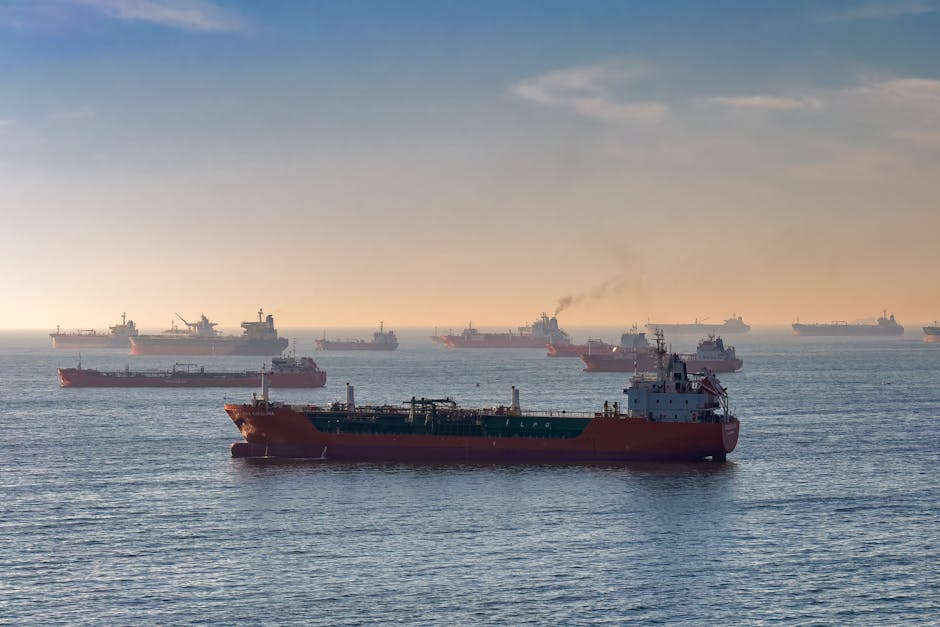
- The Strait of Hormuz is a critical chokepoint for global oil supplies, accounting for approximately 20% of the world’s oil shipments.
- The region’s geopolitical tensions pose significant economic and security risks, highlighting the need for investors, policymakers, and industry experts to closely monitor the situation.
- The Strait of Hormuz is a strategic passage that connects the Persian Gulf to the Gulf of Oman, underscoring its importance in the global energy landscape.
- The deployment of military assets by the U.S and its allies has heightened tensions in the region, increasing the risk of disruption to global oil supplies.
- The stability of the Strait of Hormuz is crucial for maintaining global economic growth and preventing conflict.
The Strait of Hormuz, a narrow waterway connecting the Persian Gulf to the Gulf of Oman, has long been a critical chokepoint for global oil supplies. Before the recent escalation of tensions between the U.S, Israel, and Iran, approximately 20% of the world’s oil was shipped through this strategic passage, highlighting the region’s crucial role in the global energy landscape. This staggering statistic underscores the significant economic and geopolitical implications of any conflict in the area, making it an increasingly important focus of attention for investors, policymakers, and industry experts alike. The potential for disruption to global oil supplies is a pressing concern, with far-reaching consequences for the world economy.
The Strategic Importance of the Strait of Hormuz

The Strait of Hormuz’s significance extends beyond its role as a vital oil shipping lane. The region is also a nexus of complex geopolitical relationships, with multiple countries vying for influence and control. The recent deployment of military assets by the U.S and its allies has further heightened tensions, raising the stakes for all parties involved. As the situation continues to unfold, it is essential to understand the historical context and the various interests at play. The Strait of Hormuz has been a focal point of international attention for decades, with its stability crucial to maintaining global economic growth and preventing conflict. The research firm’s decision to send an analyst to the region reflects the growing recognition of the Strait’s importance in shaping the future of the global energy market.
On-the-Ground Insights from the Strait of Hormuz

The research firm’s analyst, who wished to remain anonymous, spent several weeks in the region, gathering intelligence and conducting interviews with local officials, industry experts, and other stakeholders. Their findings provide a unique perspective on the situation, highlighting the complexities and nuances of the conflict. According to the analyst, the region is characterized by a mix of cooperation and competition, with different countries pursuing their own interests while also seeking to maintain a delicate balance of power. The analyst’s report also notes the significant investments being made in infrastructure and security measures, aimed at protecting the critical oil shipping lanes and preventing disruptions to global supplies. These findings offer valuable insights into the dynamics at play in the region, shedding light on the motivations and strategies of the various actors involved.
Analyzing the Causes and Consequences of Conflict
The research firm’s report provides a detailed analysis of the causes and consequences of conflict in the Strait of Hormuz, drawing on historical data, expert opinions, and on-the-ground research. The analyst identifies a range of factors contributing to the tensions, including competing claims to territory and resources, ideological differences, and the pursuit of strategic interests. The report also examines the potential consequences of conflict, including disruptions to global oil supplies, economic instability, and the risk of escalation into a broader regional or even global conflict. By examining the complex interplay of factors at work in the region, the report provides a comprehensive understanding of the situation, highlighting the need for careful diplomacy and cooperation to prevent a catastrophic outcome. The analysis is supported by data and expert opinions, offering a nuanced and informed perspective on the crisis.
Implications for the Global Economy
The potential implications of conflict in the Strait of Hormuz are far-reaching and profound, with significant consequences for the global economy. A disruption to oil supplies would have a major impact on energy prices, inflation, and economic growth, affecting countries and industries around the world. The research firm’s report highlights the need for investors, policymakers, and industry leaders to be aware of these risks and to develop strategies for mitigating them. By understanding the complex dynamics at play in the region and the potential consequences of conflict, stakeholders can make informed decisions and work towards a more stable and secure future. The report’s findings emphasize the importance of international cooperation and diplomacy in preventing conflict and ensuring the free flow of oil through the Strait of Hormuz.
Expert Perspectives
Experts in the field offer contrasting viewpoints on the situation in the Strait of Hormuz, reflecting the complexity and nuance of the issue. Some analysts argue that the region is on the brink of a major conflict, citing the deployment of military assets and the escalation of tensions between the U.S, Israel, and Iran. Others, however, believe that diplomacy and cooperation can still prevail, pointing to the shared interests of the countries involved in maintaining stability and preventing disruption to global oil supplies. The research firm’s report provides a platform for these expert perspectives, offering a range of insights and opinions on the crisis. By considering these different viewpoints, readers can gain a deeper understanding of the situation and the potential paths forward.
As the situation in the Strait of Hormuz continues to evolve, it is essential to remain vigilant and informed. The research firm’s report provides a valuable resource for investors, policymakers, and industry experts, offering insights and analysis on the complex dynamics at play in the region. Looking ahead, the key question is whether diplomacy and cooperation can succeed in preventing conflict and ensuring the stability of the global energy market. The answer will depend on the actions of the countries involved, as well as the effectiveness of international efforts to promote peace and security in the region. As the world watches the situation unfold, one thing is clear: the Strait of Hormuz will remain a critical focus of attention for the foreseeable future.