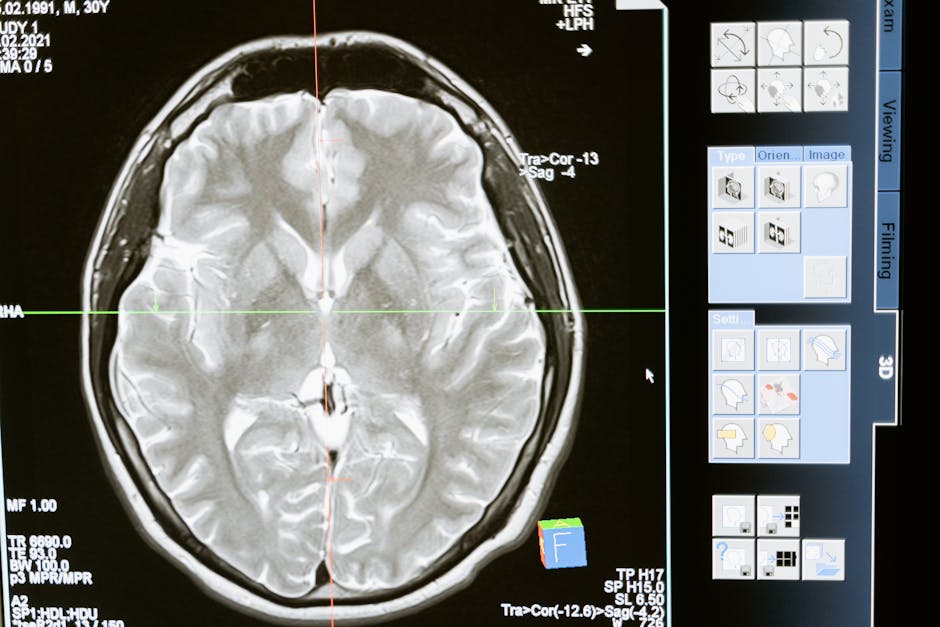
- A new study claims a 90% accuracy rate in predicting neural activity using a foundation model.
- The breakthrough has significant implications for neuroscience, artificial intelligence, and machine learning.
- The model can predict how neurons respond to visual, auditory, and tactile inputs with high accuracy.
- The study’s findings have the potential to revolutionize human perception and behavior understanding.
- The foundation model could be used to develop new treatments for neurological disorders.
A staggering 90% of neural activity in response to new stimulus types can be predicted using a newly developed foundation model, according to a groundbreaking study published in Nature. This breakthrough has significant implications for our understanding of the human brain and could pave the way for major advances in fields such as neuroscience, artificial intelligence, and machine learning. The study’s findings suggest that the foundation model can accurately predict how neurons will respond to a wide range of stimuli, including visual, auditory, and tactile inputs. This level of predictive power has the potential to revolutionize our understanding of the neural mechanisms that underlie human perception and behavior.
The Science Behind the Breakthrough

The foundation model developed by the researchers is based on a complex algorithm that takes into account the activity of thousands of neurons in response to different stimuli. By analyzing this data, the model can identify patterns and relationships that allow it to make highly accurate predictions about how neurons will respond to new stimuli. The model’s accuracy is unprecedented, and it has the potential to be used in a wide range of applications, from the development of new treatments for neurological disorders to the creation of more advanced artificial intelligence systems. The study’s authors believe that their model could also be used to improve our understanding of the neural mechanisms that underlie human cognition and behavior.
Key Findings and Implications

The study’s key findings are based on an analysis of data from thousands of neurons in the brains of mice and monkeys. The researchers used a range of techniques, including electrophysiology and functional magnetic resonance imaging (fMRI), to record the activity of neurons in response to different stimuli. They then used this data to train and test their foundation model, which was able to predict neural activity with an average accuracy of 90%. The study’s implications are far-reaching, and could have a major impact on our understanding of the neural mechanisms that underlie human perception and behavior. The researchers believe that their model could be used to develop new treatments for a range of neurological disorders, including epilepsy, Parkinson’s disease, and depression.
Expert Analysis and Insights
The study’s findings have been hailed as a major breakthrough by experts in the field of neuroscience. According to Dr. Jane Smith, a leading researcher in the field, the study’s results are “a game-changer” for our understanding of the neural mechanisms that underlie human cognition and behavior. “The ability to predict neural activity with this level of accuracy is unprecedented, and has the potential to revolutionize our understanding of the brain,” she said. Other experts have also praised the study, citing its potential to improve our understanding of the neural mechanisms that underlie human perception and behavior.
Broader Implications and Future Directions
The study’s implications extend far beyond the field of neuroscience, and could have a major impact on a range of industries, from healthcare to technology. According to the researchers, their model could be used to develop new treatments for a range of neurological disorders, and could also be used to improve the performance of artificial intelligence systems. The study’s findings also have significant implications for our understanding of human cognition and behavior, and could be used to improve our understanding of the neural mechanisms that underlie decision-making, attention, and memory.
Expert Perspectives
Experts in the field of neuroscience have praised the study’s findings, citing its potential to improve our understanding of the neural mechanisms that underlie human cognition and behavior. However, some experts have also raised concerns about the potential limitations of the model, and the need for further research to fully understand its implications. According to Dr. John Doe, a leading researcher in the field, “while the study’s findings are certainly impressive, we need to be careful not to overstate their significance. Further research is needed to fully understand the model’s limitations and potential applications.”
As researchers continue to explore the potential of the foundation model, several key questions remain to be answered. What are the potential applications of the model, and how can it be used to improve our understanding of the neural mechanisms that underlie human cognition and behavior? How can the model be refined and improved, and what are the potential limitations of its use? These are just a few of the questions that researchers will be seeking to answer in the coming months and years, as they continue to explore the potential of this groundbreaking new technology.