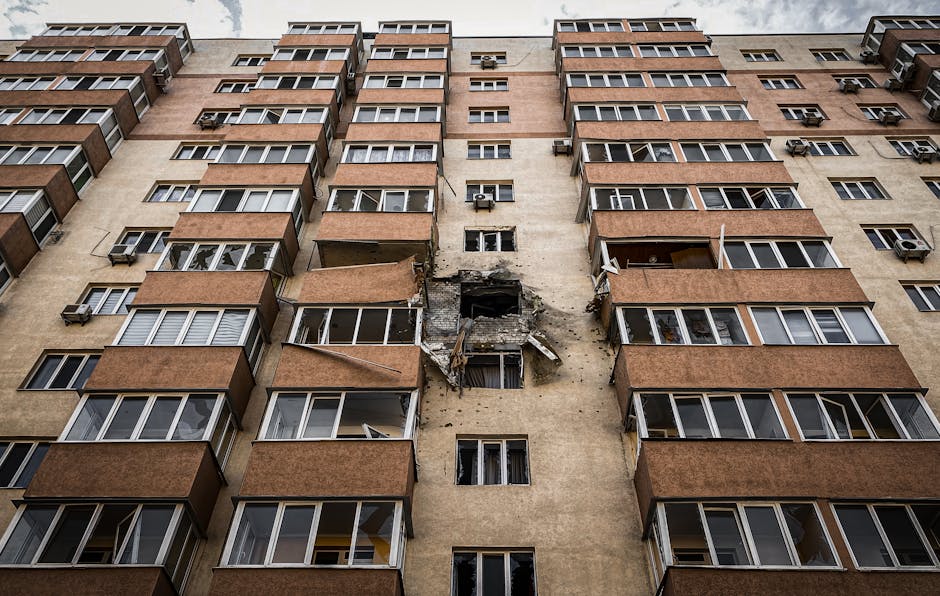
- At least 203 people have been confirmed dead and over 1,000 wounded in Israeli strikes on Lebanon.
- The strikes have caused widespread destruction and a significant increase in casualties.
- The death toll and number of wounded are expected to rise as more information becomes available.
- The international community is calling for an end to the violence to prevent further loss of life.
- The conflict has been escalating since early March, with over 1,500 deaths reported overall.
Israeli strikes on various locations in Lebanon, including Beirut, Tyre, and the southern village of Abbassiyeh, have resulted in a devastating loss of life, with at least 203 people confirmed dead and over 1,000 wounded, according to the Lebanese health ministry. The strikes occurred recently, adding to the growing humanitarian crisis in the region. The search for survivors is ongoing, with rescue teams working tirelessly to locate anyone who might still be trapped under the rubble.
Immediate Aftermath

The immediate impact of the strikes is widespread destruction and a significant increase in the number of casualties. The health ministry’s announcement of the casualty figures underscores the severity of the situation, with the death toll and number of wounded expected to rise as more information becomes available. The international community is watching the situation closely, with many calling for an end to the violence to prevent further loss of life.
Background and Context

The recent strikes are part of a larger conflict that has been escalating since early March, with the overall death toll from attacks now surpassing 1,500. The situation is complex, involving historical, political, and territorial disputes. Understanding the roots of the conflict is crucial for grasping the current situation and the potential paths forward for resolving the crisis.
What to Watch
As the situation continues to unfold, the next expected developments will likely include further international response and potential diplomatic efforts to broker a ceasefire. The humanitarian situation will also be a key focus, with aid organizations and local authorities working to provide assistance to those affected by the violence. The international community will be watching for any signs of escalation or de-escalation, as the situation remains highly volatile.