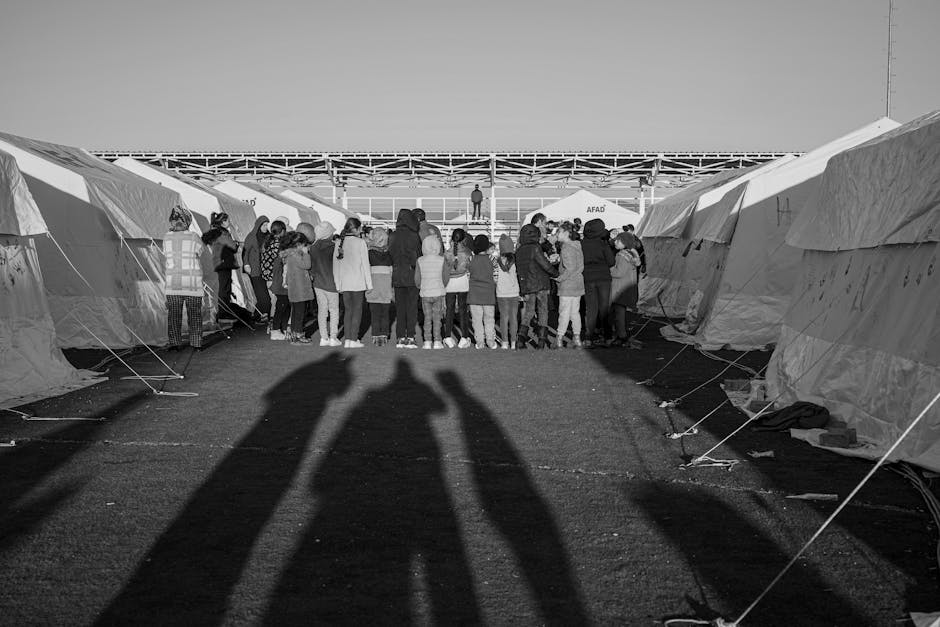
- At least 254 people have been killed in a series of Israeli attacks in Lebanon, prompting a national day of mourning.
- The death toll is expected to rise as rescue efforts continue, with thousands displaced and many more in urgent need of medical attention and aid.
- The international community is urging restraint and calling for an immediate ceasefire to prevent further bloodshed in the escalating conflict.
- The conflict between Israel and Lebanon is part of a broader struggle for power and influence in the Middle East.
- A humanitarian crisis has unfolded in Lebanon, with significant damage to infrastructure and a major need for international assistance.
A devastating series of Israeli attacks in Lebanon has left at least 254 people dead, prompting the Lebanese government to declare a national day of mourning. The attacks, which occurred on the 41st day of the Iran war, have sparked widespread condemnation and raised concerns about the escalating conflict in the Middle East. The situation remains tense, with both sides exchanging blame and threats. The international community is urging restraint and calling for an immediate ceasefire to prevent further bloodshed.
Humanitarian Crisis Unfolds

The Israeli attacks have had a profound impact on Lebanon, causing significant damage to infrastructure and resulting in a major humanitarian crisis. Thousands of people have been displaced, and many more are in urgent need of medical attention and aid. The Lebanese government has appealed for international assistance, and several countries have pledged to provide support. The death toll is expected to rise as rescue efforts continue, and the full extent of the damage becomes clear.
Roots of the Conflict

The conflict between Israel and Lebanon is part of a broader struggle for power and influence in the Middle East. The war in Iran has drawn in several regional players, including Israel, Lebanon, and other countries. The complex web of alliances and rivalries has created a volatile situation, with multiple flashpoints and a high risk of further escalation. The history of the conflict is long and complex, with deep-seated tensions and competing claims that have yet to be resolved.
What to Watch
As the situation continues to unfold, several key developments are expected in the coming days. The international community will be watching closely to see if a ceasefire can be negotiated, and if the warring parties can be brought to the negotiating table. The humanitarian response will also be critical, with aid agencies and governments working to provide emergency assistance to those affected. The potential for further escalation remains high, and the world will be holding its breath as it waits to see what happens next.