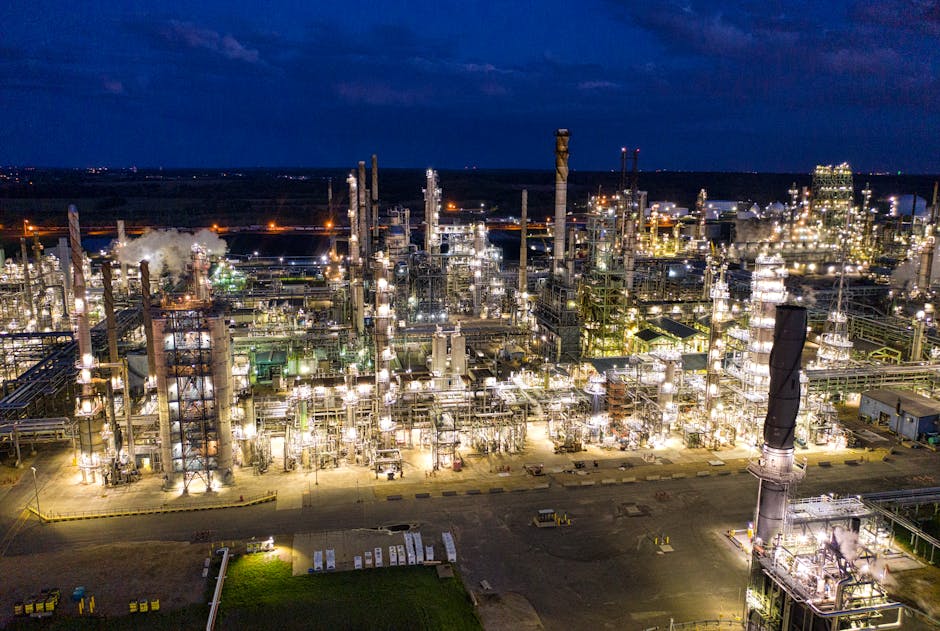
- Global gas prices surged 20% in one month due to escalating tensions in the Middle East.
- The closure of the Strait of Hormuz has disrupted 20% of the world’s oil exports, exacerbating the crisis.
- Experts warn that even if the strait reopens, recovery may take months due to the Gulf’s energy system disruption.
- The Middle East accounts for 40% of the world’s oil exports, making it a critical region for global energy stability.
- Key players like the US, China, and Europe are invested in the region’s stability to secure their energy supply.
The recent escalation of tensions in the Middle East has sent shockwaves through the global energy market, with gas prices surging to unprecedented levels. The closure of the Strait of Hormuz, a critical waterway that accounts for nearly 20% of the world’s oil exports, has exacerbated the crisis, leaving many to wonder when prices will return to prewar levels. However, experts warn that even if the strait were to reopen, the road to recovery would be long and arduous, with some predicting that it could take months for the Gulf’s energy system to return to a semblance of normalcy.
The Geopolitics of Energy

The current crisis has highlighted the delicate balance of the global energy landscape, where geopolitical tensions can have far-reaching consequences. The Middle East, which accounts for over 40% of the world’s oil exports, has long been a flashpoint for conflicts, and the recent escalation of tensions has only served to underscore the region’s importance to the global energy supply. As the world’s largest consumers of oil, the United States, China, and Europe are all deeply invested in the region’s stability, and any disruption to the flow of oil has significant implications for the global economy.
Key Players and Interests

The crisis in the Strait of Hormuz has drawn in a complex array of key players, each with their own interests and agendas. The United States, which has historically been the dominant power in the region, has found itself at odds with Iran, which has been accused of attacking oil tankers and disrupting the flow of oil. Meanwhile, other regional players, such as Saudi Arabia and the United Arab Emirates, have sought to capitalize on the crisis, increasing their own oil production to offset the losses. As the situation continues to unfold, it is clear that the interests of these key players will play a significant role in shaping the outcome of the crisis.
Assessing the Damage
As the crisis deepens, experts are beginning to assess the full extent of the damage. While some wells can be turned on in a matter of days or weeks, bringing the Gulf’s energy system back online will be a much more complex and time-consuming process. The region’s energy infrastructure, which has been damaged or destroyed in the conflict, will need to be repaired or replaced, a process that could take months. Furthermore, the psychological impact of the crisis on the global energy market should not be underestimated, as traders and investors remain wary of investing in a region that has proven itself to be so volatile.
Long-Term Consequences
The long-term consequences of the crisis in the Strait of Hormuz are only just beginning to become clear. As the global energy market struggles to come to terms with the new reality, it is likely that gas prices will remain elevated for some time to come. This will have significant implications for consumers and businesses around the world, who will be forced to adapt to a new era of higher energy costs. Furthermore, the crisis has highlighted the need for greater investment in renewable energy sources, as the world seeks to reduce its dependence on fossil fuels and mitigate the risks associated with geopolitical instability.
Expert Perspectives
Experts are divided on the likely outcome of the crisis, with some predicting a swift resolution and others warning of a prolonged period of instability. According to Dr. Maria van der Hoeven, a leading energy expert, “the crisis in the Strait of Hormuz has highlighted the need for greater diversification in the global energy market. As the world becomes increasingly reliant on a small number of key suppliers, the risks associated with geopolitical instability will only continue to grow.” In contrast, Dr. Daniel Yergin, a veteran energy analyst, believes that “the market will ultimately adjust to the new reality, and prices will return to prewar levels once the strait is reopened and the region’s energy infrastructure is repaired.”
As the situation continues to unfold, one thing is clear: the global energy landscape has been forever changed by the crisis in the Strait of Hormuz. As the world looks to the future, it is likely that the consequences of this crisis will be felt for years to come, and it will be up to policymakers, businesses, and individuals to navigate the complex and rapidly evolving energy landscape. The key question on everyone’s mind is: what will be the new normal for the global energy market, and how will we get there?