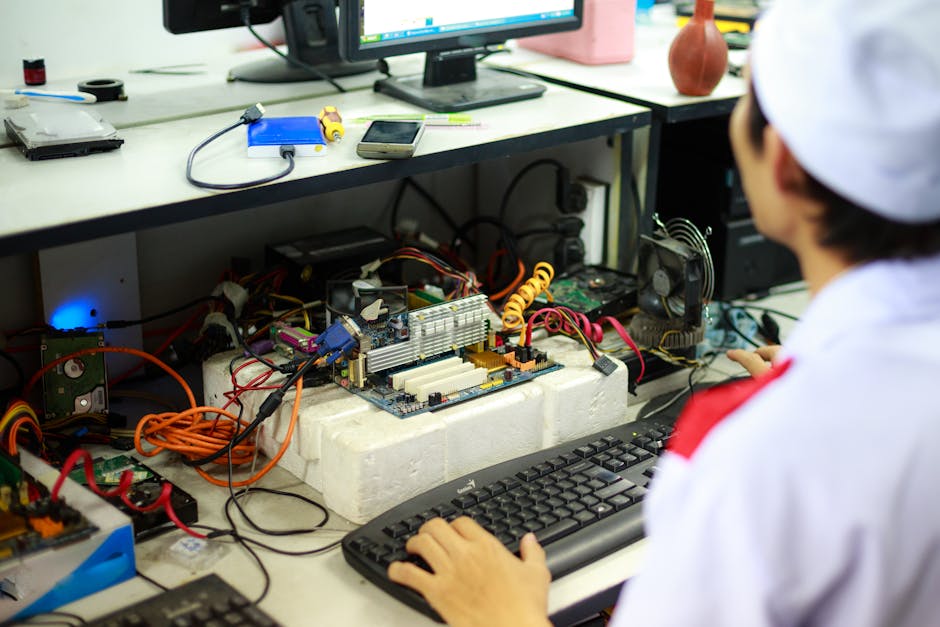
- A developer has successfully ported Mac OS X to the Nintendo Wii, showcasing impressive technical skills and dedication.
- The Wii, first released in 2006, can now run a modern operating system like Mac OS X, defying the expectation of outdated hardware.
- The porting process required a deep understanding of Mac OS X and the Wii’s hardware, along with creative problem-solving.
- The developer overcame numerous obstacles, including incompatibility between the Wii’s processor and Mac OS X.
- This achievement demonstrates the power of determination and the importance of pushing boundaries in technology.
The world of technology is no stranger to innovative hacks and feats of reverse engineering, but a recent achievement has left many in the industry stunned: a developer has successfully ported Mac OS X to the Nintendo Wii. This remarkable feat, which was detailed in a blog post by the developer, showcases the impressive technical skills and dedication required to breathe new life into outdated hardware. The Nintendo Wii, first released in 2006, is a testament to the power of nostalgia and the enduring appeal of retro gaming. However, the fact that it can now run a modern operating system like Mac OS X is a truly astonishing development.
The Challenge of Porting Mac OS X

The process of porting Mac OS X to the Nintendo Wii is a complex and challenging one, requiring a deep understanding of both the operating system and the console’s hardware. The developer, who has chosen to remain anonymous, had to overcome numerous obstacles, including the fact that the Wii’s processor is not natively compatible with Mac OS X. Despite these challenges, the developer persevered, using a combination of clever coding and creative problem-solving to coax the operating system into running on the Wii. This achievement is a testament to the power of determination and the importance of pushing the boundaries of what is thought to be possible.
Key Details of the Port

According to the developer’s blog post, the porting process involved a number of key steps, including the creation of a custom bootloader and the development of a specialized kernel. The developer also had to modify the Wii’s hardware to accommodate the demands of Mac OS X, including the addition of extra memory and the implementation of a custom graphics driver. The end result is a fully functional version of Mac OS X, complete with support for Wi-Fi, USB devices, and even the Wii’s iconic controller. While the port is still in its early stages, and there are likely to be many bugs and stability issues to iron out, the fact that it works at all is a remarkable achievement.
Analysis of the Port’s Implications
The successful porting of Mac OS X to the Nintendo Wii has significant implications for the tech community, particularly in the areas of reverse engineering and hardware hacking. The fact that a modern operating system can be made to run on outdated hardware raises important questions about the potential for extending the lifespan of older devices, and the possibilities for repurposing and reusing existing technology. Additionally, the port demonstrates the power of open-source development and the importance of community-driven innovation. As the developer’s blog post notes, the project is a testament to the ingenuity and creativity of the tech community, and a reminder that even the most seemingly impossible challenges can be overcome with determination and hard work.
Implications for the Future of Tech
The successful porting of Mac OS X to the Nintendo Wii has far-reaching implications for the future of technology, particularly in the areas of sustainability and innovation. As the world becomes increasingly aware of the environmental impact of electronic waste, the ability to breathe new life into outdated hardware takes on a new level of importance. The port also raises important questions about the potential for extending the lifespan of older devices, and the possibilities for repurposing and reusing existing technology. As the tech industry continues to evolve and grow, it is likely that we will see more and more innovative hacks and feats of reverse engineering, each one pushing the boundaries of what is thought to be possible and challenging our assumptions about the potential of technology.
Expert Perspectives
Experts in the field of reverse engineering and hardware hacking have praised the developer’s achievement, noting that it is a testament to the power of determination and the importance of pushing the boundaries of what is thought to be possible. According to one expert, the port is a significant achievement that demonstrates the potential for innovative hacking and the importance of community-driven innovation. Another expert noted that the port raises important questions about the potential for extending the lifespan of older devices, and the possibilities for repurposing and reusing existing technology. While there are likely to be many challenges and obstacles to overcome, the fact that Mac OS X can now run on the Nintendo Wii is a truly remarkable development that has significant implications for the tech community.
As the tech industry continues to evolve and grow, it will be interesting to see how this achievement is built upon and what other innovative hacks and feats of reverse engineering emerge. Will we see more and more outdated hardware being repurposed and reused, or will the focus shift to newer and more powerful devices? Only time will tell, but one thing is certain: the successful porting of Mac OS X to the Nintendo Wii is a remarkable achievement that will be remembered for years to come, and a testament to the power of innovation and the importance of pushing the boundaries of what is thought to be possible.