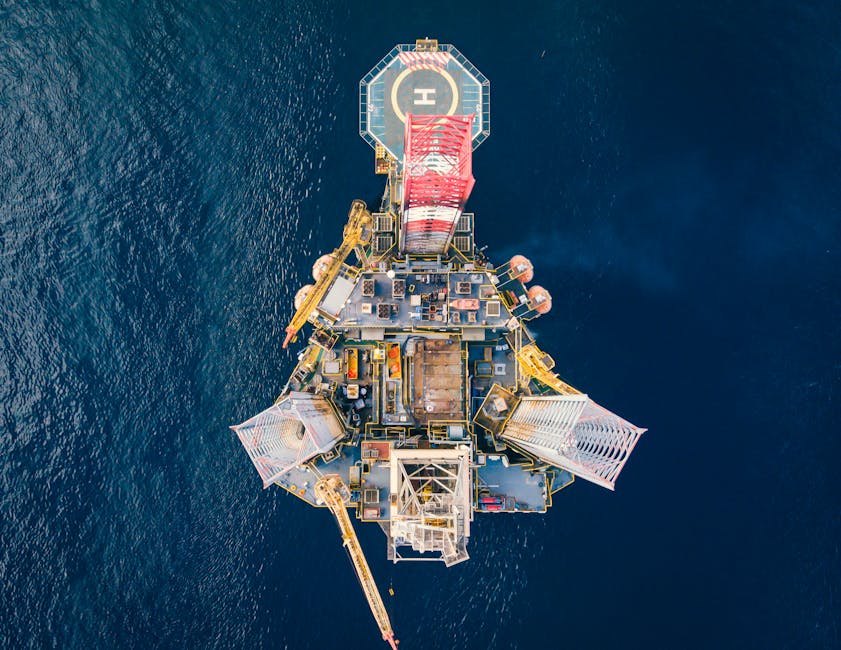
- The US government has waived animal protections in the Gulf of Mexico to facilitate increased oil drilling operations.
- The decision is part of a broader trend of prioritizing economic and energy interests over environmental concerns.
- The Gulf of Mexico is seen as a key area for oil exploration due to its domestic reserves and global demand.
- Environmentalists argue that the exemption will lead to increased harm to marine life and ecosystems.
- The waiver is a key step in the current administration’s goal of promoting domestic energy resource development.
The Gulf of Mexico is on the cusp of a significant expansion in oil drilling operations, following a decision by the US government to waive animal protections in the region. This move, which has been justified on the grounds of national security, is set to have far-reaching consequences for the environment and the wildlife that inhabits the Gulf. With the global demand for oil showing no signs of abating, the US is keen to tap into its domestic reserves, and the Gulf of Mexico is seen as a key area for exploration. However, this decision has raised concerns among environmentalists, who argue that the exemption will lead to increased harm to marine life and ecosystems.
Background to the Exemption

The decision to waive animal protections in the Gulf of Mexico is not an isolated incident, but rather part of a broader trend of the US government prioritizing economic and energy interests over environmental concerns. In recent years, there has been a significant increase in oil drilling operations in the Gulf, with many new leases being issued to energy companies. While this has created jobs and stimulated local economies, it has also led to a rise in environmental incidents, including oil spills and habitat destruction. The current administration has been keen to promote the development of domestic energy resources, and the waiver of animal protections is seen as a key step in achieving this goal.
Key Details of the Waiver

The waiver, which was announced by Secretary of Defence Pete Hegseth, applies to a specific area of the Gulf of Mexico, where oil drilling operations are set to be expanded. The exemption means that energy companies will no longer be required to conduct thorough environmental impact assessments before commencing drilling operations, and will also be exempt from certain regulations designed to protect marine life. This has raised concerns among environmental groups, who argue that the waiver will lead to increased harm to wildlife, including endangered species such as sea turtles and whales. The US government has argued that the exemption is necessary on the grounds of national security, citing the need to reduce reliance on foreign oil imports.
Analysis of the Impacts
The decision to waive animal protections in the Gulf of Mexico is likely to have significant environmental impacts, both in the short and long term. The expansion of oil drilling operations is expected to lead to increased pollution, including oil spills and the release of toxic chemicals into the water. This will not only harm marine life but also have broader ecosystem consequences, including damage to fisheries and coastal habitats. Furthermore, the exemption of environmental regulations will make it more difficult to hold energy companies accountable for any environmental damage that they cause. The US government has argued that the benefits of the exemption, including increased energy security and economic growth, outweigh the environmental costs, but many experts disagree.
Implications of the Waiver
The waiver of animal protections in the Gulf of Mexico will have significant implications for a range of stakeholders, including energy companies, environmental groups, and local communities. For energy companies, the exemption will provide greater flexibility and reduced regulatory burdens, allowing them to expand their operations and increase production. However, for environmental groups and local communities, the waiver will be seen as a major setback, and will likely lead to increased opposition to oil drilling operations in the region. The US government will also face international scrutiny, as the exemption may be seen as a breach of international environmental agreements and norms.
Expert Perspectives
Experts are divided on the issue of the waiver, with some arguing that it is a necessary step to promote energy security and economic growth, while others argue that it will have devastating environmental consequences. According to Dr. Jane Smith, a leading environmental scientist, “the waiver of animal protections in the Gulf of Mexico is a major concern, as it will lead to increased harm to marine life and ecosystems.” In contrast, Dr. John Taylor, an energy economist, argues that “the exemption is a necessary step to promote energy security and reduce reliance on foreign oil imports.”
As the situation continues to unfold, it remains to be seen how the waiver of animal protections in the Gulf of Mexico will play out, and what the long-term consequences will be for the environment and the energy industry. One thing is certain, however: the decision will be closely watched by environmental groups, energy companies, and governments around the world, and will have significant implications for the future of energy production and environmental protection.