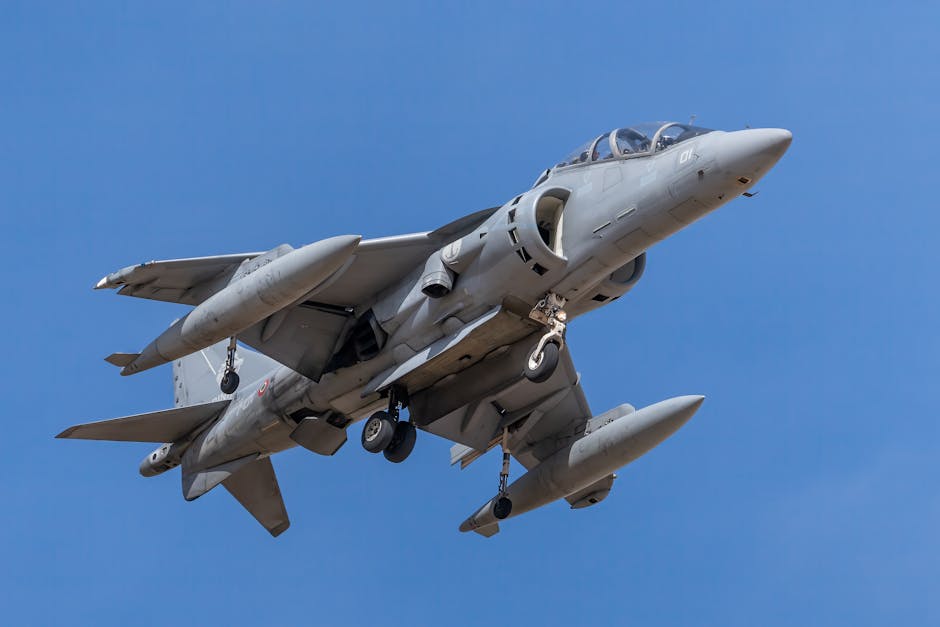
- Israel’s surprise airstrike on central Beirut marks a significant escalation in the Israel-Hezbollah war.
- The strike defies the fragile ceasefire agreement with Iran and sends a clear message of Israel’s willingness to take a more aggressive approach.
- The move has significant implications for the region, heightening concerns about the conflict’s stability and potential for further escalation.
- Israel has historically targeted southern and eastern Lebanon, but strikes on central Beirut are relatively rare and indicate a growing willingness to take more risks.
- The conflict between Israel and Hezbollah is multifaceted, involving complex geopolitical interests and a range of key players, including Iran.
In a striking escalation of the ongoing conflict, Israel launched a surprise airstrike on central Beirut, marking a rare incursion into the heart of the Lebanese capital. The move, which caught many off guard, has sparked widespread concern and raised questions about the fragile ceasefire agreement with Iran. With the strike, Israel has sent a clear message that it will not be bound by the terms of the ceasefire when it comes to Lebanon, a development that has significant implications for the region.
The Latest Escalation in a Decades-Long Conflict

The Israel-Hezbollah war, which began on 2 March, has been characterized by periods of intense violence and uneasy calm. While Israel has regularly targeted southern and eastern Lebanon, as well as the southern suburbs of Beirut, strikes on the central part of the city have been relatively rare. The latest airstrike, therefore, represents a significant escalation and suggests that Israel is willing to take a more aggressive approach in its efforts to counter the perceived threat from Hezbollah. The fact that Israel has chosen to defy the ceasefire agreement with Iran and strike at the heart of Beirut underscores the complexity and volatility of the situation.
Key Players and Interests

The conflict between Israel and Hezbollah is multifaceted, involving a range of key players and interests. Hezbollah, a Shia Islamist organization backed by Iran, has been a major player in Lebanese politics and has been locked in a decades-long struggle with Israel. The latest war, which began in early March, has seen both sides exchange blows, with Israel seeking to weaken Hezbollah’s military capabilities and the organization aiming to defend its strongholds in Lebanon. The fact that Israel has struck central Beirut, despite the ceasefire agreement with Iran, suggests that it is seeking to send a strong message to both Hezbollah and its backers in Tehran.
Analysis and Implications
The airstrike on central Beirut has significant implications for the region, particularly in terms of the potential for further escalation. The fact that Israel has chosen to defy the ceasefire agreement with Iran and strike at the heart of Beirut suggests that it is willing to take a more aggressive approach in its efforts to counter the perceived threat from Hezbollah. This, in turn, raises concerns about the potential for a wider conflict, one that could draw in other regional players and have far-reaching consequences. From a geopolitical perspective, the strike also underscores the complex web of alliances and rivalries that characterize the Middle East, with Israel, Iran, and Hezbollah all playing important roles.
Humanitarian and Regional Consequences
The airstrike on central Beirut has significant humanitarian and regional consequences, particularly in terms of the potential for civilian casualties and the destabilization of an already fragile region. The fact that Israel has struck a densely populated urban area raises concerns about the potential for harm to innocent civilians, a development that could have far-reaching consequences in terms of public opinion and international diplomacy. From a regional perspective, the strike also underscores the potential for further instability, particularly in terms of the potential for other players to become involved in the conflict.
Expert Perspectives
Experts are divided on the implications of the airstrike, with some arguing that it represents a necessary escalation in Israel’s efforts to counter the threat from Hezbollah, while others see it as a reckless and provocative move that could have far-reaching consequences. According to one analyst, the strike “represents a significant escalation in the conflict and underscores the need for a diplomatic solution to the crisis.” In contrast, another expert argued that the strike was a “predictable response to Hezbollah’s aggression” and that it would ultimately serve to weaken the organization’s military capabilities.
Looking ahead, it remains to be seen how the situation will unfold, particularly in terms of the potential for further escalation and the role that other regional players may play. One key question is whether the international community will be able to broker a ceasefire agreement that takes into account the complex web of interests and alliances that characterize the region. As the situation continues to evolve, it is clear that the conflict between Israel and Hezbollah will remain a major source of instability and concern, with significant implications for the wider region and the world beyond.