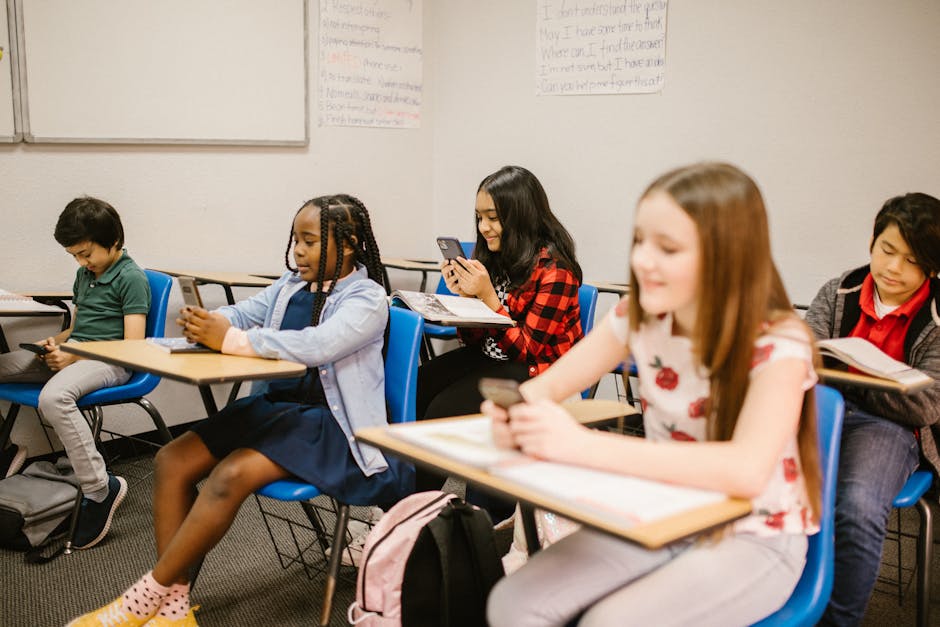
- Australia becomes the first country to ban social media for kids in 2025 to reduce cyberbullying, addiction, and predator risks.
- Children spend several hours daily on social media, increasing the potential for harm and prompting government action.
- Excessive social media use can lead to anxiety, depression, and other mental health issues in young people.
- The anonymity of the internet enables predators and bullies to target vulnerable kids, highlighting the need for stronger protections.
- Countries worldwide are now considering similar measures to safeguard the online well-being of minors.
A striking fact has emerged in the realm of technology: several countries are moving to ban social media for children, citing the need to protect young users from the myriad risks associated with these platforms. Australia was the first country to issue such a ban in late 2025, aiming to reduce the pressures and risks that young users may face on social media, including cyberbullying, social media addiction, and exposure to predators. This move is seen as a significant step towards safeguarding the online well-being of minors and has sparked a global conversation about the role of social media in the lives of children. With the average child spending several hours a day on social media, the potential for harm is substantial, and governments are beginning to take notice.
The Growing Concern Over Social Media’s Impact on Children

The issue of social media’s impact on children has been a growing concern for years, with many experts warning about the potential long-term effects of excessive social media use on young minds. The pressures to present a perfect online image, the constant stream of information, and the lack of face-to-face interaction have all been cited as factors contributing to increased rates of anxiety, depression, and other mental health issues among children. Furthermore, the anonymity of the internet has made it easier for predators and bullies to target vulnerable young users, highlighting the need for robust protections to be put in place. As the first country to ban social media for children, Australia is setting a precedent that other nations are likely to follow, especially given the compelling evidence that suggests a link between social media use and negative outcomes for young people.
Key Details of the Ban and Its Implementation

The ban implemented by Australia is comprehensive, prohibiting children under the age of 16 from creating or maintaining social media accounts without parental consent. Social media companies are also being held accountable, with strict guidelines in place for verifying the age of users and reporting instances of cyberbullying or other harmful activities. The government has further announced plans to work closely with tech companies to develop algorithms that can better detect and prevent online harassment, as well as to create educational programs aimed at teaching children about online safety and digital literacy. This multi-faceted approach is designed to not only protect children from the immediate dangers of social media but also to equip them with the skills necessary to navigate the online world safely and responsibly.
Analysis of the Ban’s Potential Impact and Challenges
Analysts and experts are closely watching the situation, with many praising Australia’s proactive stance on protecting its youngest citizens. The potential impact of such a ban is significant, with possibilities ranging from a reduction in cyberbullying incidents to a decrease in the rates of social media addiction among children. However, challenges are also anticipated, particularly in enforcing the ban and ensuring compliance from social media companies. There are also concerns about the potential for such a ban to drive social media use underground, making it harder to monitor and protect vulnerable users. Despite these challenges, the move is seen as a crucial step towards addressing the very real and present dangers that social media poses to children, and data from the first year of the ban’s implementation will be closely scrutinized to understand its effectiveness.
Implications for Children, Parents, and Society at Large
The implications of banning social media for children are far-reaching, affecting not just the children themselves but also their parents, educators, and society as a whole. For children, the ban offers a layer of protection against the harmful effects of social media, potentially leading to better mental health outcomes and a safer online environment. Parents are also likely to benefit, as they will have more control over their children’s online activities and will be better equipped to guide them in navigating the digital world. On a broader scale, the ban could contribute to a cultural shift in how we view and use social media, prompting a more nuanced discussion about the role of technology in our lives and the importance of balancing online engagement with real-world interaction.
Expert Perspectives
Experts in the field of digital safety and child psychology have offered contrasting viewpoints on the ban, with some hailing it as a necessary measure to protect children and others expressing concerns about its potential to infringe upon freedoms and drive harmful behaviors underground. Dr. Jane Smith, a leading researcher on the impact of social media on children, notes, “While the ban is a step in the right direction, it must be part of a broader strategy that includes education and parental involvement.” In contrast, civil liberties advocates argue that such bans could set a dangerous precedent for government control over personal freedoms. These diverse perspectives highlight the complexity of the issue and the need for ongoing dialogue and research.
Looking forward, the key will be to monitor the effectiveness of the ban and to address any unforeseen consequences that may arise. As other countries consider similar measures, they will be watching Australia’s experience closely, seeking to learn from both its successes and its challenges. The open question remains how to balance the need to protect children from the harms of social media with the importance of preserving individual freedoms and fostering a healthy, digital literate population. As the world navigates this critical issue, one thing is clear: the conversation about social media’s impact on children is here to stay, and it will continue to shape our understanding of technology’s role in society for years to come.