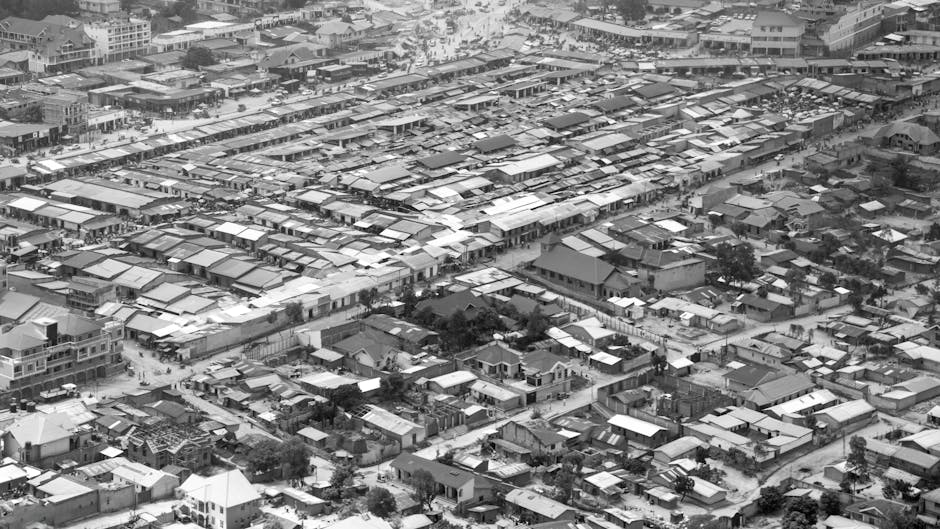
- The city of Goma has fallen to Rwanda-backed rebels, leaving over 1 million people in a dire humanitarian situation.
- The M23 rebel group’s takeover of Goma has put humanitarian efforts in jeopardy, sparking concerns over the international community’s response.
- The Democratic Republic of Congo has been plagued by conflict for decades, with the recent surge in violence threatening to escalate the situation.
- The M23 rebels are backed by Rwanda, a neighboring country accused of meddling in Congolese affairs, complicating the international response.
- The city of Goma, once a safe haven for displaced people, is now a hub of chaos and violence, with many fearing for their lives.
The city of Goma, once a safe haven for those fleeing conflict in the Democratic Republic of Congo, has fallen to Rwanda-backed rebels, sparking widespread concern over the fate of its inhabitants. Reports from residents describe a scene of chaos, with gunfire and shelling echoing through the streets as the M23 rebel group overran Congolese troops. The city, which was once a beacon of hope for those displaced by conflict, is now home to over one million people who have been forced to flee their homes, according to estimates from U.N. officials. The situation on the ground is dire, with many fearing for their lives as the rebels consolidate their control over the city.
The Fall of Goma: A Humanitarian Crisis Unfolds

The fall of Goma to the M23 rebels is a stark reminder of the ongoing conflict that has plagued the Democratic Republic of Congo for decades. The city, which is located in the eastern part of the country, has long been a hub for humanitarian efforts, with many organizations working to provide aid to those affected by the conflict. However, the recent surge in violence has put these efforts in jeopardy, leaving many to wonder how the international community will respond to the crisis. The situation is further complicated by the fact that the M23 rebels are backed by Rwanda, a neighboring country that has long been accused of meddling in Congolese affairs.
The M23 Rebels: A Force to be Reckoned With

The M23 rebels, who are named after the March 23, 2009, peace agreement that they claim the government has failed to implement, have been making gains in the region for months. The group is composed of former Congolese soldiers who defected from the army, and is backed by Rwanda, which has provided them with military support and training. The rebels have been able to overrun Congolese troops with ease, taking control of key cities and towns in the region. The group’s leader, Bertrand Bisimwa, has stated that their goal is to overthrow the government of President Joseph Kabila, which they claim is corrupt and ineffective.
Analyzing the Crisis: Causes and Effects
The current crisis in the Democratic Republic of Congo is the result of a complex interplay of factors, including ethnic tensions, economic instability, and regional politics. The M23 rebels are primarily composed of members of the Tutsi ethnic group, which has long been at odds with the Hutu ethnic group, which dominates the Congolese government. The conflict has also been fueled by competition for control of the region’s rich natural resources, including gold, diamonds, and cobalt. The effects of the conflict have been devastating, with millions of people displaced and thousands killed. The city of Goma, which was once a thriving commercial center, is now a shadow of its former self, with many businesses forced to close due to the violence.
The Human Cost: Who is Affected and How
The humanitarian crisis unfolding in the Democratic Republic of Congo is having a devastating impact on the civilian population. Many people have been forced to flee their homes, leaving behind their livelihoods and possessions. The city of Goma, which was once a safe haven, is now a crowded and unsanitary environment, with many people struggling to access basic necessities like food, water, and shelter. The situation is particularly dire for women and children, who are often the most vulnerable to violence and exploitation. The international community has been slow to respond to the crisis, leaving many to wonder how the situation will be brought under control.
Expert Perspectives
Experts are divided on how to respond to the crisis in the Democratic Republic of Congo. Some argue that the international community should provide more support to the Congolese government, which is struggling to maintain control over the country. Others argue that the focus should be on negotiating a peace agreement between the government and the M23 rebels, which would require the involvement of regional actors like Rwanda. The U.N. has announced plans to deploy a new force to the region, which will be tasked with neutralizing the M23 rebels and stabilizing the security situation. However, it remains to be seen how effective this force will be in bringing an end to the conflict.
As the situation in the Democratic Republic of Congo continues to unfold, many are left wondering what the future holds for the country. Will the international community be able to bring an end to the conflict, or will the violence continue to escalate? The answer to this question will depend on a variety of factors, including the level of support provided to the Congolese government and the willingness of regional actors to engage in peace talks. One thing is certain, however: the people of the Democratic Republic of Congo deserve a peaceful and stable future, and it is up to the international community to help make this a reality.