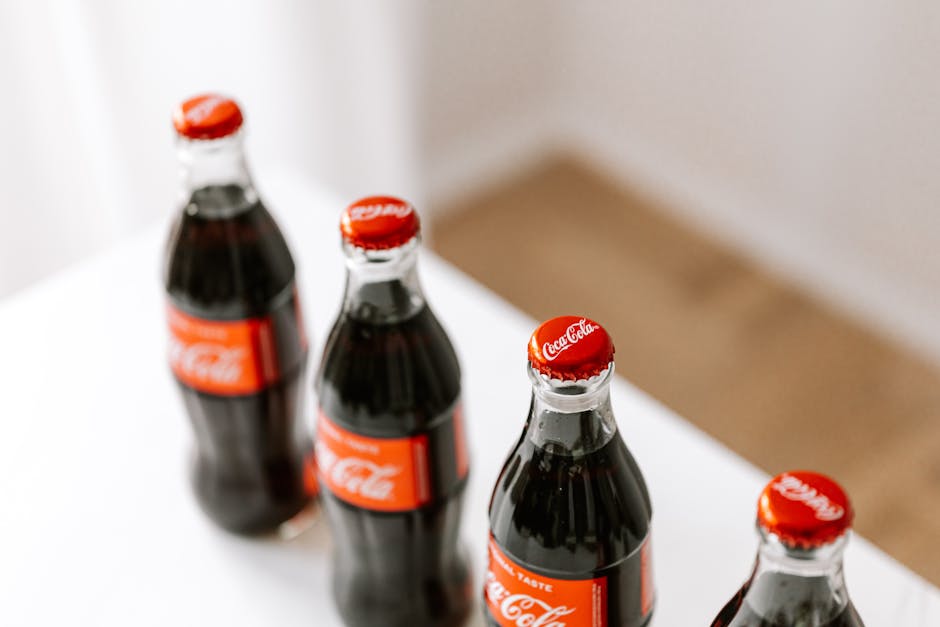
- Artificially sweetened drinks may aid in weight loss by replacing sugary beverages.
- A new study suggests that artificially sweetened drinks can lead to significant weight loss.
- Sugary drinks have been linked to various health problems, including obesity and type 2 diabetes.
- Artificially sweetened drinks can be a viable alternative to sugary beverages for weight loss.
- Reducing sugary drink consumption can have a positive impact on overall health and weight.
A striking fact has emerged in the realm of weight loss: artificially sweetened drinks may be a useful tool in shedding those extra pounds. According to a new study, replacing sugary beverages with artificially sweetened ones can lead to significant weight loss. This finding is particularly noteworthy, given the widespread consumption of sugary drinks and the ensuing health problems they pose. With obesity rates continuing to rise globally, any potential solution is worth exploring. The study’s results suggest that artificially sweetened drinks can be a viable alternative to sugary beverages, potentially paving the way for a new approach to weight loss.
The Background on Sugary Drinks

The consumption of sugary drinks has long been linked to various health problems, including obesity, type 2 diabetes, and tooth decay. The high sugar content in these beverages can lead to a rapid spike in calorie intake, contributing to weight gain and other health issues. As a result, health experts have been advocating for a reduction in sugary drink consumption, recommending instead that people opt for water or other low-calorie beverages. The new study’s findings add a fresh perspective to this ongoing debate, highlighting the potential benefits of artificially sweetened drinks as a substitute for sugary ones.
Key Findings on Artificially Sweetened Drinks

The study in question involved a comprehensive analysis of existing research on artificially sweetened drinks and their impact on weight loss. The results showed that participants who replaced sugary beverages with artificially sweetened ones experienced significant weight loss, compared to those who continued to consume sugary drinks. The study’s authors noted that the exact mechanisms behind this effect are still unclear, but suggested that artificially sweetened drinks may help reduce overall calorie intake, leading to weight loss. The findings are noteworthy, as they provide new evidence for the potential benefits of artificially sweetened drinks in supporting weight loss efforts.
Analyzing the Causes and Effects
From a scientific perspective, the study’s findings can be attributed to the reduced calorie content of artificially sweetened drinks. Unlike sugary beverages, which can contain upwards of 150 calories per serving, artificially sweetened drinks typically contain virtually no calories. This reduction in calorie intake can lead to weight loss, as the body is able to burn more calories than it consumes. Additionally, artificially sweetened drinks may help reduce cravings for sweet tastes, potentially leading to a decrease in overall sugar consumption. However, it is essential to note that artificially sweetened drinks are not a magic bullet for weight loss, and a comprehensive approach to diet and exercise is still necessary for achieving and maintaining a healthy weight.
Implications for Public Health
The study’s findings have significant implications for public health, particularly in the context of obesity prevention and treatment. If artificially sweetened drinks can indeed support weight loss efforts, they may be a useful tool in combating the growing obesity epidemic. Furthermore, the study’s results may inform the development of new dietary guidelines, which could recommend the use of artificially sweetened drinks as a substitute for sugary beverages. However, it is crucial to remember that water remains the best choice for overall health, and artificially sweetened drinks should not be relied upon as the primary source of hydration.
Expert Perspectives
Experts in the field of nutrition and public health have weighed in on the study’s findings, offering contrasting viewpoints on the potential benefits and drawbacks of artificially sweetened drinks. Some experts argue that artificially sweetened drinks can be a useful tool in supporting weight loss efforts, particularly for individuals who struggle to reduce their sugar intake. Others, however, express concerns about the potential health effects of artificial sweeteners, citing a need for further research on their long-term impact on human health. As the debate continues, one thing is clear: a comprehensive approach to diet and exercise, combined with a focus on whole, nutrient-dense foods, remains the best strategy for achieving and maintaining a healthy weight.
Looking ahead, it will be essential to continue monitoring the research on artificially sweetened drinks and their impact on weight loss. As the scientific community continues to explore the potential benefits and drawbacks of these beverages, we may uncover new insights into the complex relationships between diet, exercise, and human health. In the meantime, individuals seeking to lose weight or improve their overall health would do well to focus on whole, nutrient-dense foods, and to prioritize water as their primary source of hydration. By taking a comprehensive approach to health and wellness, we can work towards creating a healthier, more sustainable future for ourselves and for generations to come.