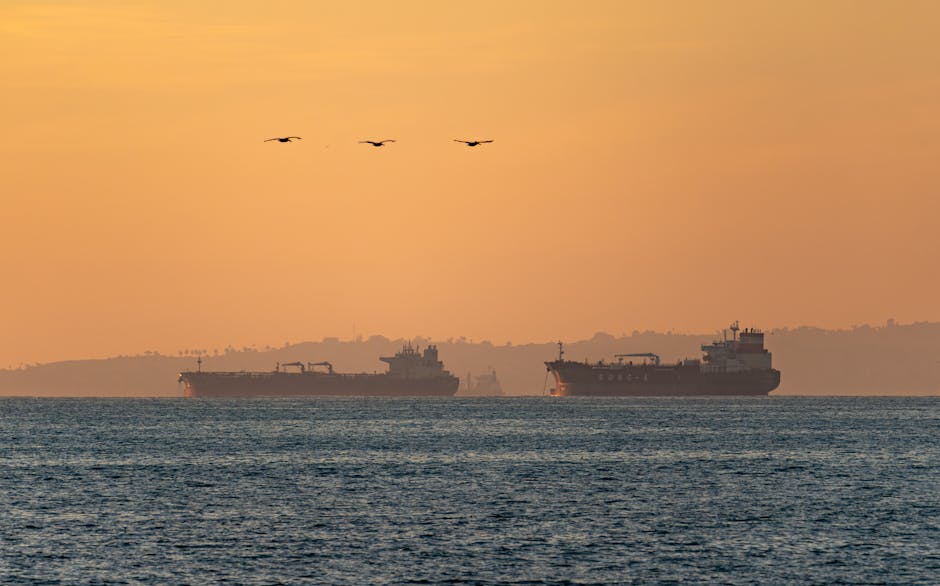
- The US and Iran have agreed to a ceasefire, reopening the Strait of Hormuz to global oil trade.
- The Strait of Hormuz is a critical chokepoint for global oil trade, with over 20% of the world’s oil passing through it every day.
- The agreement is a significant shift in the conflict between the US and Iran, easing tensions in the Middle East.
- The US and Iran have been locked in a bitter standoff for months, with tensions escalating to a boiling point in recent weeks.
- The ceasefire announcement sent shockwaves through the oil market, with prices plummeting in response to the easing of tensions.
The world breathed a collective sigh of relief as the United States and Iran announced a surprise ceasefire agreement, set to reopen the strategic Strait of Hormuz to global oil trade. The news sent shockwaves through the oil market, with prices plummeting in response to the easing of tensions in the Middle East.
The agreement, announced just hours before a deadline set by President Trump, marks a significant shift in the conflict between the two nations. The Strait of Hormuz, a vital waterway connecting the Persian Gulf to the Arabian Sea, is a critical chokepoint for global oil trade, with over 20% of the world’s oil passing through it every day.
The Road to Ceasefire: A Delicate Diplomatic Dance

The path to this agreement was long and arduous, with both sides engaging in a delicate diplomatic dance. The US and Iran have been locked in a bitter standoff for months, with tensions escalating to a boiling point in recent weeks. However, behind-the-scenes negotiations and shuttle diplomacy ultimately paid off, yielding a ceasefire deal that promises to restore stability to the region.
The terms of the agreement are still unclear, but analysts say it could have far-reaching implications for global oil markets. With the Strait of Hormuz set to reopen, oil prices are expected to decline, providing relief to consumers and businesses around the world. The deal could also pave the way for renewed diplomatic efforts between the US and Iran, potentially leading to a more lasting peace in the region.
Global Implications: A New Era of Cooperation?
The ceasefire agreement between the US and Iran has significant implications for global politics and economies. The deal could mark a new era of cooperation between the two nations, potentially leading to increased trade and investment in the region. It could also have a profound impact on global oil markets, as the reopening of the Strait of Hormuz is expected to increase oil supplies and put downward pressure on prices.
However, not everyone is optimistic about the deal. Some analysts warn that the agreement is fragile and could collapse at any moment, plunging the region back into chaos. Others argue that the deal does not address the underlying issues driving the conflict, merely papering over the cracks. As such, it remains to be seen whether the ceasefire will hold and what the long-term implications will be for the region and the world.
What Regulators in Brussels and Washington Are Watching
Regulators in Brussels and Washington are watching the situation closely, eager to see how the ceasefire agreement will play out. The European Union, in particular, has a significant stake in the outcome, as it has been working to salvage the Iran nuclear deal and prevent a wider conflict in the Middle East. The US, on the other hand, is focused on ensuring that the agreement does not compromise its own security interests or those of its allies in the region.
The international community is also waiting with bated breath to see how the deal will affect global oil markets. The reopening of the Strait of Hormuz is expected to increase oil supplies, but it could also lead to a surge in production, potentially destabilizing the market. As such, regulators are working to ensure that the deal does not disrupt the global economy or lead to unintended consequences.
The Future of US-Iran Relations: A New Chapter?
The ceasefire agreement between the US and Iran marks a new chapter in the complex and often fraught relationship between the two nations. While the deal is a significant step forward, it is only the beginning of a long and difficult process. The US and Iran still have many issues to resolve, from the nuclear program to regional security concerns. However, for now, the ceasefire agreement provides a glimmer of hope that the two nations can work together to achieve a more lasting peace.
As the world watches the situation unfold, one question remains: will the ceasefire agreement hold, and what will be the long-term implications for the region and the world? Only time will tell, but for now, the news provides a rare glimmer of hope in a region often plagued by conflict and instability.