- Ukraine targets Russian oil exports to disrupt Moscow’s ability to fund its war against Ukraine.
- The Persian Gulf conflict has led to a significant increase in oil revenue for Russia, funding its military operations in Ukraine.
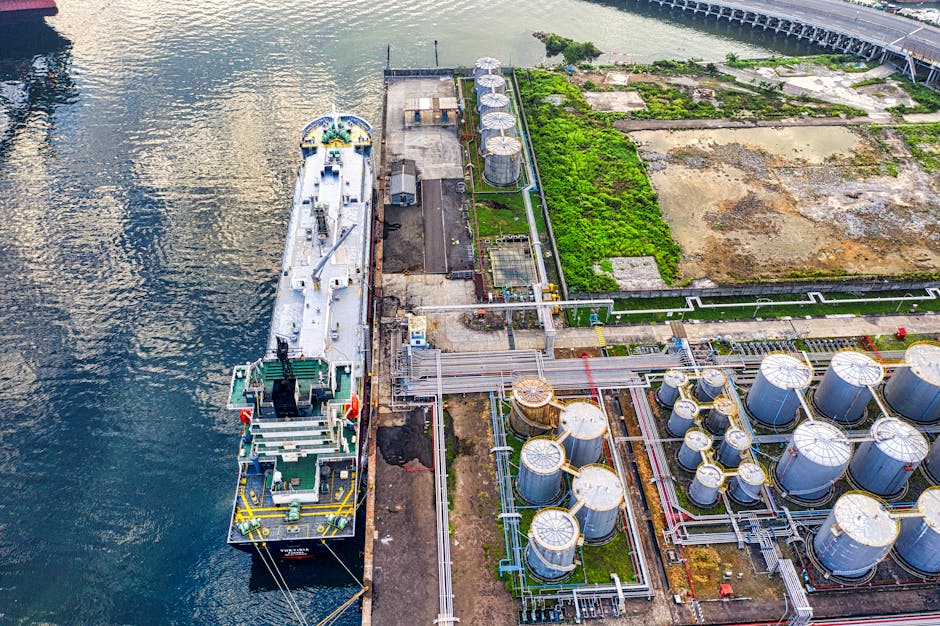
- Ukraine’s attacks target Russia’s oil infrastructure, including refineries and shipping facilities.
- Russia is the world’s third-largest oil producer, providing a significant source of revenue to fund its war efforts.
- Kyiv’s strategy aims to weaken Moscow’s ability to wage war and reduce the flow of funds supporting Russia’s military operations.
Ukraine has intensified its attacks on Russian oil exports, aiming to disrupt Moscow’s ability to refine and ship its crude, as the ongoing Persian Gulf conflict has led to a significant increase in oil revenue that finances Russia’s war against Ukraine. The attacks, which have been carried out by Kyiv’s forces in recent weeks, target Russia’s oil infrastructure, including refineries and shipping facilities.
Background and Motivations

The escalation of the conflict in the Persian Gulf has resulted in a surge in global oil prices, providing a significant windfall for Russia, which is the world’s third-largest oil producer. This increase in revenue has enabled Moscow to continue financing its military operations in Ukraine, prompting Kyiv to take action to disrupt Russia’s oil exports.
The Ukrainian attacks on Russian oil exports are part of a broader strategy to weaken Moscow’s ability to wage war, and to reduce the flow of funds that support Russia’s military operations. By targeting Russia’s oil infrastructure, Ukraine aims to limit Moscow’s access to the global oil market and reduce its ability to generate revenue from crude exports.
Impact and Repercussions

The attacks on Russian oil exports have already had a significant impact on the global oil market, with prices rising in response to the disruption in supplies. The conflict in the Persian Gulf has also led to a increase in oil prices, further exacerbating the situation. The repercussions of the attacks will likely be felt across the globe, as countries that rely on Russian oil imports may face shortages and price increases.
What to Watch
As the situation continues to unfold, several key developments will be worth watching. The response of the international community to the attacks on Russian oil exports will be crucial, as will the impact of the conflict on the global oil market. Additionally, the ability of Ukraine to sustain its attacks on Russian oil infrastructure, and the effectiveness of Moscow’s efforts to mitigate the impact of these attacks, will be important factors to monitor in the coming weeks and months.