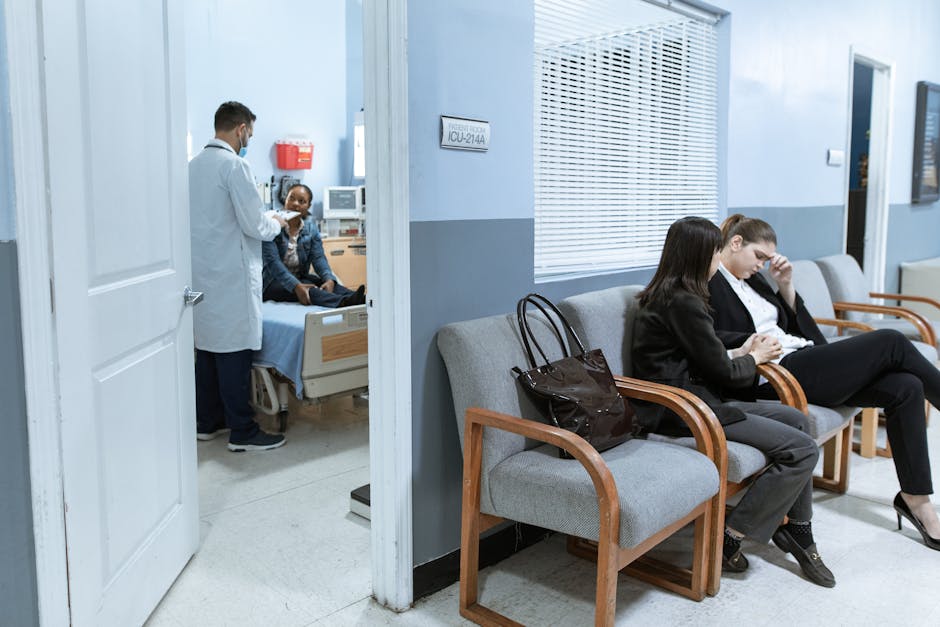
- UK doctors have launched a six-day strike over pay and working conditions, disrupting the National Health Service (NHS).
- Approximately 18,000 operations and appointments are expected to be postponed due to the strike.
- The NHS has advised patients to only use emergency services when necessary, but to attend confirmed appointments.
- The strike is part of a series of industrial actions by NHS staff, who are demanding better pay and working conditions.
- The NHS is facing significant challenges, including staff shortages, funding cuts, and increased demand for services.
The UK’s National Health Service (NHS) is facing significant disruption as a six-day doctors’ strike begins, with thousands of operations and appointments expected to be postponed. The strike, which started on Monday, is the result of a long-running dispute between doctors and the government over pay and working conditions.
The NHS has advised patients in England to only use emergency services when necessary, but to attend any confirmed appointments. However, many patients are facing uncertainty and anxiety as they wait to hear if their treatments will be affected. The strike is the latest in a series of industrial actions by NHS staff, who are demanding better pay and working conditions.
The NHS Under Pressure: A System in Crisis

The NHS has been under pressure for several years, with staff shortages, funding cuts, and increased demand for services all taking a toll. The system is facing a perfect storm of challenges, from an ageing population to a shortage of skilled workers. The strike is a symptom of a deeper crisis, with many doctors and nurses feeling undervalued and overworked.
According to the British Medical Association (BMA), the doctors’ union, the strike is a last resort. The BMA has been negotiating with the government for months, but so far, no agreement has been reached. The union is demanding a significant pay rise for doctors, as well as improvements to working conditions and patient care. The government has offered a 5% pay rise, but the BMA says this is not enough to keep pace with inflation.
The Human Cost of the Strike: Patients and Families Affected

The strike will have a significant impact on patients and their families. Many people will have to wait longer for treatments, and some may even have to cancel their appointments altogether. The NHS has tried to mitigate the effects of the strike by prioritizing emergency services, but many patients will still face disruption. The strike will also have a significant impact on the economy, with many businesses and organizations affected by the disruption to the NHS.
The strike is not just about pay and working conditions; it is also about patient care. Doctors and nurses are concerned that the current system is unsustainable and that patient care is being compromised. The strike is a wake-up call for the government and the NHS to take action to address the crisis facing the health service. The NHS needs to be properly funded and staffed to provide the high-quality care that patients deserve.
What’s at Stake: The Future of the NHS
The strike is a critical moment for the NHS and the government. The future of the health service is at stake, and the outcome of the strike will have significant implications for patients, staff, and the wider economy. The government needs to take a long-term view and invest in the NHS to ensure that it can provide high-quality care for generations to come. The strike is a reminder that the NHS is not just a health service, but a vital part of the social fabric of the UK.
According to a recent report by the King’s Fund, the NHS is facing a £20 billion funding gap by 2025. The report warns that the NHS will not be able to meet demand for services unless significant investment is made. The strike is a call to action for the government to address the funding crisis facing the NHS. The government needs to prioritize the NHS and ensure that it has the resources it needs to provide high-quality care.
A Way Forward: Finding a Solution to the Crisis
The strike is a complex issue, and there is no easy solution. However, it is clear that the government and the NHS need to work together to find a way forward. The government needs to listen to the concerns of doctors and nurses and take action to address the crisis facing the NHS. The NHS needs to be properly funded and staffed to provide the high-quality care that patients deserve. The strike is a wake-up call for the government and the NHS to take action to address the crisis facing the health service.
As the strike continues, patients and staff will be watching closely to see how the situation develops. The NHS is a vital part of the UK’s social fabric, and it is essential that it is protected and preserved for future generations. The strike is a reminder that the NHS is not just a health service, but a vital part of the UK’s identity. What does the future hold for the NHS, and how will the government and the NHS work together to address the crisis facing the health service?