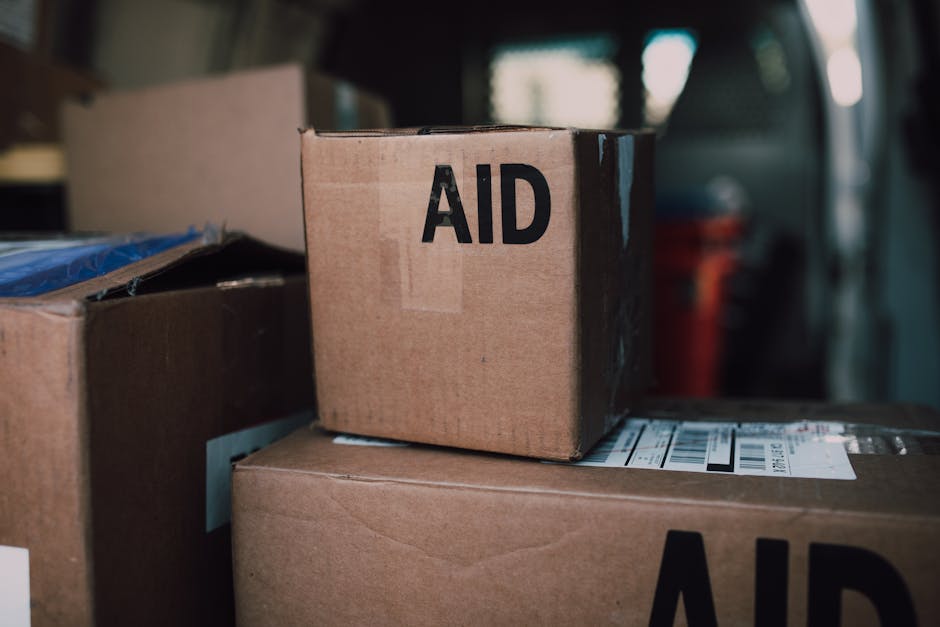
- Under the Trump administration, USAID underwent a significant overhaul.
- Millions more dollars were sent to big U.S.-based contractors.
- Organizations in the developing world were nearly shut out of aid funding.
- The shift in aid distribution has significant implications for global health and development efforts.
- USAID’s budget totals over $20 billion annually, with small changes in funding having a substantial impact.
The United States Agency for International Development (USAID) has long been a crucial player in global aid efforts, providing billions of dollars in assistance to developing countries around the world. However, a new analysis has revealed that under the Trump administration, USAID underwent a significant overhaul, resulting in millions more dollars being sent to big U.S.-based contractors, while organizations in the developing world were nearly shut out.
Background: A Shift in Aid Distribution

The overhaul of USAID’s aid distribution has significant implications for global health and development efforts. With the agency’s budget totaling over $20 billion annually, even small changes in funding allocation can have a substantial impact on the ground. The shift towards big U.S.-based contractors raises important questions about the effectiveness and efficiency of aid distribution, as well as the potential consequences for local organizations and communities.
The Overhaul: Key Details and Players

According to the new analysis, the Trump administration’s overhaul of USAID led to a significant increase in funding for big U.S.-based contractors, including companies such as Chemonics International and DAI Global. These contractors received huge infusions of cash, with some seeing their funding increase by tens of millions of dollars. In contrast, organizations in the developing world, which have long been integral to USAID’s aid efforts, were largely left behind, with many seeing their funding cut or eliminated altogether.
Analysis: Causes, Effects, and Expert Insights
Experts point to a number of factors that may have contributed to the shift in USAID’s aid distribution, including a desire to increase efficiency and reduce waste. However, critics argue that the overhaul has had the opposite effect, with big U.S.-based contractors often lacking the local knowledge and expertise necessary to effectively implement aid programs. Data suggests that the shift has also led to a decrease in the overall effectiveness of aid efforts, with some programs seeing significant declines in key metrics such as healthcare outcomes and economic growth.
Implications: Who is Affected and How
The implications of USAID’s overhaul are far-reaching, with potentially devastating consequences for communities in the developing world. With local organizations and contractors often best placed to understand the specific needs and challenges of their communities, the shift towards big U.S.-based contractors risks undermining the very effectiveness of aid efforts. Furthermore, the reduction in funding for local organizations may also have a negative impact on the local economy, exacerbating poverty and inequality.
Looking ahead, it remains to be seen how the new administration will approach USAID’s aid distribution, and whether efforts will be made to reverse the shift towards big U.S.-based contractors. As the global community continues to grapple with the challenges of poverty, inequality, and poor health outcomes, one thing is clear: a more effective and efficient approach to aid distribution is urgently needed, one that prioritizes the needs and expertise of local communities and organizations.