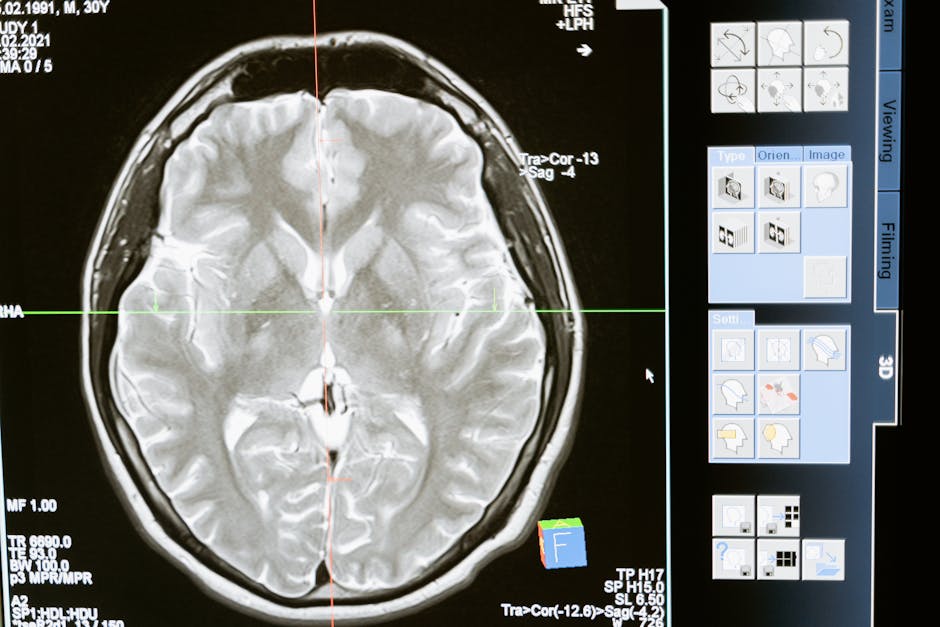
- Psychedelics can profoundly alter brain activity, changing the way various regions of the brain communicate with each other.
- Research has shown that hallucinogenic drugs like LSD and psilocybin can impact brain function and offer promising avenues for mental health therapies.
- The study of psychedelics and their effects on the brain is a rapidly evolving field with growing recognition of their therapeutic benefits.
- Advancements in neuroimaging technologies have allowed scientists to better understand why psychedelics matter in mental health treatment.
- Psychedelics have the potential to revolutionize the treatment of mental health disorders, offering more effective therapies for depression and anxiety.
A striking fact has emerged from recent studies on psychedelics: these substances can profoundly alter brain activity, driving significant changes in the way various regions of the brain communicate with each other. Research analyzing hundreds of images from several studies has shed light on how hallucinogenic drugs, such as LSD and psilocybin, impact brain function. This new understanding has the potential to revolutionize the treatment of mental health disorders, offering promising avenues for therapies that can more effectively target the root causes of conditions like depression and anxiety.
The Neuroscience of Psychedelics

The study of psychedelics and their effects on the brain is a rapidly evolving field, with recent years seeing a surge in research interest. This renewed focus is partly due to the growing recognition of the potential therapeutic benefits of these substances, as well as advancements in neuroimaging technologies that allow for more detailed and accurate mapping of brain activity. As a result, scientists are now better equipped to understand why psychedelics matter in the context of mental health treatment and how they can be harnessed to improve patient outcomes. The current research landscape is characterized by a sense of optimism and curiosity, as researchers delve deeper into the complexities of the psychedelic experience and its neurological underpinnings.
Key Findings on Brain Activity

One of the key findings from the analysis of brain images is that psychedelics induce widespread changes in brain activity, affecting not just the visual cortex, as might be expected given the hallucinogenic properties of these drugs, but also regions involved in emotion regulation, memory, and higher-order cognitive processes. This suggests that the effects of psychedelics are not limited to altering perception but also extend to modifying the brain’s functional connectivity, potentially leading to long-term changes in personality, emotional response, and cognitive flexibility. The involvement of multiple brain regions underscores the complex nature of the psychedelic experience, which cannot be reduced to a single neurological mechanism or brain area.
Causes and Effects of Psychedelic-Induced Brain Activity
From an analytical perspective, the causes and effects of psychedelic-induced brain activity are multifaceted. The drugs themselves act on specific receptors in the brain, such as the serotonin 2A receptor, triggering a cascade of neural events that lead to the altered states of consciousness characteristic of the psychedelic experience. The effects of this altered activity can be profound, with some studies suggesting that psychedelics can promote neural plasticity, the brain’s ability to reorganize itself in response to new experiences. This property has significant implications for the treatment of mental health disorders, where increased neural plasticity could facilitate more effective and lasting therapeutic outcomes. Furthermore, the data from these studies provide valuable insights into the neural correlates of consciousness, offering a unique window into the workings of the human brain.
Implications for Mental Health Treatment
The implications of these findings for mental health treatment are considerable. Individuals suffering from treatment-resistant depression, anxiety disorders, and other conditions may benefit from therapies incorporating psychedelics, given their potential to induce lasting changes in brain function and connectivity. Moreover, the insight into how psychedelics affect the brain could inform the development of new, more targeted therapeutic approaches that leverage the brain’s plasticity to promote recovery and well-being. As research continues to uncover the nuances of psychedelic action on the brain, the prospect of more effective, personalized treatments for mental health conditions becomes increasingly realistic.
Expert Perspectives
Experts in the field offer contrasting viewpoints on the therapeutic potential of psychedelics, reflecting the complexity and multifaceted nature of the research. Some emphasize the promising results from clinical trials, highlighting the significant and sustained improvements in mental health outcomes observed in patients treated with psychedelic-assisted therapies. Others caution that while the results are encouraging, more research is needed to fully understand the mechanisms of action and to ensure the safety and efficacy of these treatments for a broader patient population. The diversity of expert opinions underscores the ongoing debate and inquiry within the scientific community, as researchers and clinicians work together to advance our understanding of psychedelics and their role in mental health care.
Looking forward, one of the key questions to watch is how regulatory frameworks will evolve to accommodate the growing body of evidence supporting the therapeutic use of psychedelics. As more studies demonstrate the safety and efficacy of these substances in clinical settings, there will be increasing pressure to reevaluate their legal status and to create pathways for their integration into mainstream mental health treatment. This will require a concerted effort from researchers, policymakers, and healthcare professionals to address the challenges and opportunities presented by psychedelics, with the ultimate goal of improving patient outcomes and expanding access to innovative, effective therapies.