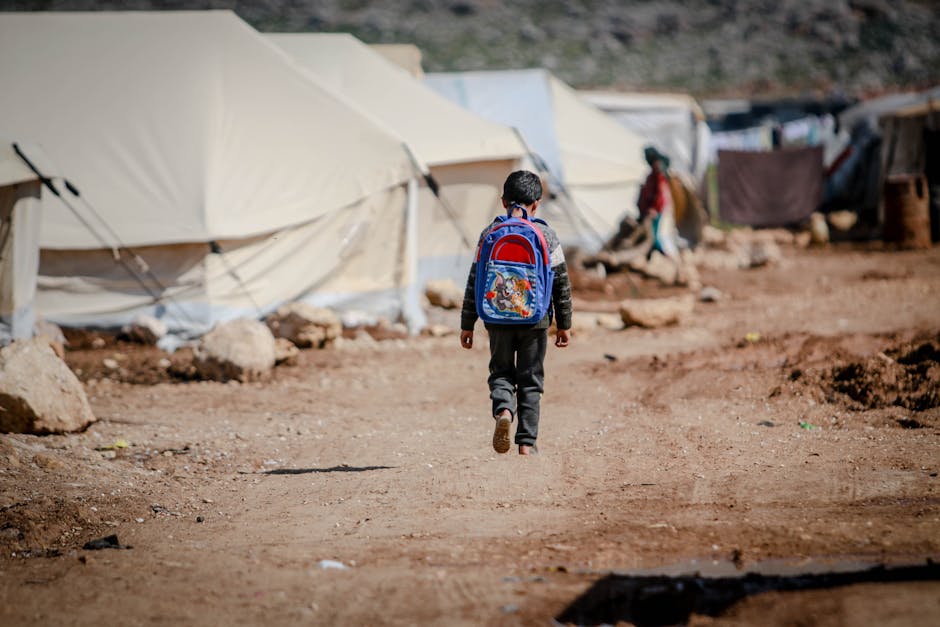
- Over 10,000 Palestinians have begun their journey back to Northern Gaza on foot.
- The Israeli government allowed displaced Gazans to cross a military zone that bisects the enclave.
- The decision marks a significant development in the region after a prolonged deadlock.
- The deadlock over hostage releases had been a major point of contention that has been resolved.
- The return of displaced Gazans is a crucial step forward, paving the way for a potential shift in the situation.
Over 10,000 Palestinians have begun their journey back to Northern Gaza on foot, marking a significant development in the region after a prolonged deadlock. The move comes after Israel allowed displaced Gazans to start crossing a military zone that bisects the enclave, bringing a sense of relief to those who have been waiting to return to their homes.
Breaking the Deadlock

The decision to allow the crossing is a crucial step forward, as it indicates a potential shift in the situation after weeks of stagnation. The deadlock over hostage releases had been a major point of contention, and its resolution has paved the way for the return of displaced Gazans. As the situation continues to unfold, it is essential to consider the broader context and the factors that led to this development.
Key Developments

The crossing of the military zone is a complex process, involving careful coordination and planning. Israeli authorities have been working to ensure a safe and orderly crossing, with measures in place to prevent any potential security risks. The international community has been watching the situation closely, with many calling for a peaceful resolution and an end to the violence that has plagued the region. As the displaced Gazans make their way back to their homes, attention will turn to the next steps and the challenges that lie ahead.
Analysis and Implications
The return of displaced Gazans to Northern Gaza is a significant development, with far-reaching implications for the region. Experts point to the need for sustained efforts to address the underlying issues that have contributed to the conflict, including poverty, unemployment, and a lack of access to basic services. The international community will be closely watching the situation, with many calling for a renewed commitment to finding a lasting solution. As the situation continues to evolve, it is essential to consider the potential causes and effects of this development, as well as the role of key stakeholders in shaping the outcome.
Humanitarian Concerns
The return of displaced Gazans to their homes is a welcome development, but it also raises important humanitarian concerns. Many of those returning will be facing significant challenges, including damaged or destroyed homes, limited access to basic services, and a lack of economic opportunities. The international community will need to provide support and assistance to help those affected, with a focus on addressing the immediate needs of the displaced population. As the situation continues to unfold, it is essential to prioritize the well-being and dignity of those who have been affected by the conflict.
Looking ahead, the key question is what the future holds for the region. Will the return of displaced Gazans to Northern Gaza mark a turning point in the conflict, or will it simply be a temporary reprieve? As the situation continues to evolve, it is essential to watch for signs of progress, including efforts to address the underlying issues that have contributed to the conflict, and to support those who have been affected.