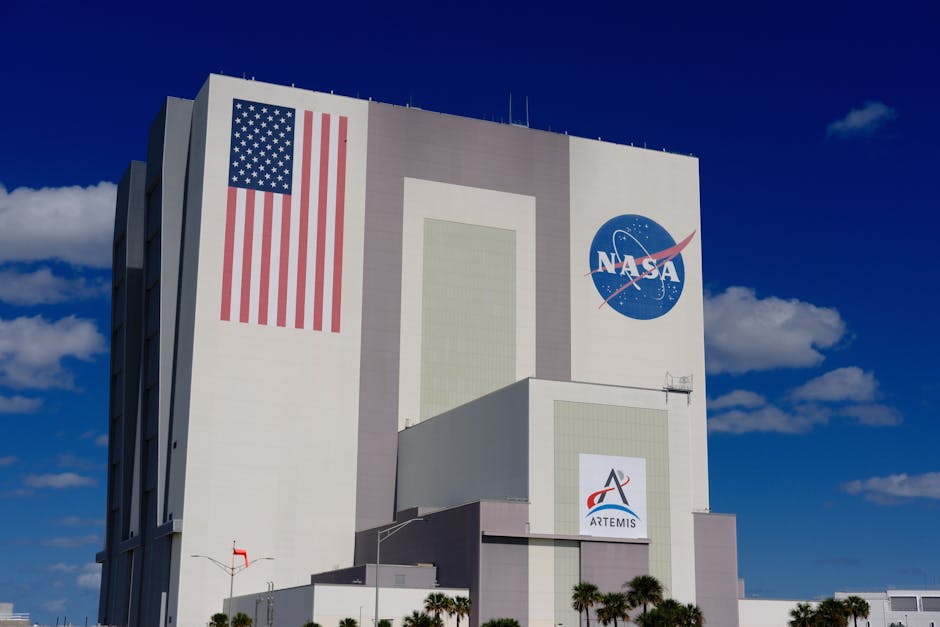
- NASA’s Artemis program successfully completed a historic lunar flyby with its spacecraft traveling over 240,000 miles to the moon and back.
- The mission marks a significant step towards returning humans to the lunar surface by 2025.
- The Artemis program aims to establish a sustainable presence on the lunar surface.
- The program plans to send the first woman and the first person of color to the moon.
- The lunar flyby demonstrates the capabilities of the Space Launch System (SLS) rocket and the Orion spacecraft.
The National Aeronautics and Space Administration (NASA) has achieved a historic milestone with its Artemis program, successfully completing a lunar flyby with its spacecraft traveling over 240,000 miles to the moon and back. This mission marks a significant step towards returning humans to the lunar surface by 2025. The spacecraft’s successful flyby demonstrates the capabilities of the Space Launch System (SLS) rocket and the Orion spacecraft, which will be used for future manned missions to the moon.
Lunar Ambitions

The Artemis program is a crucial part of NASA’s plans to establish a sustainable presence on the lunar surface. The program aims to send the first woman and the first person of color to the moon, with the ultimate goal of using the lunar surface as a stepping stone for further human exploration of the solar system. The recent lunar flyby is a major stepping stone towards achieving this goal, as it demonstrates the ability of the spacecraft to travel to the moon and return safely to Earth. The success of this mission has significant implications for the future of space exploration and the potential for human settlement of the moon.
Mission Details

The lunar flyby was achieved by the Orion spacecraft, which was launched on the SLS rocket from Kennedy Space Center in Florida. The spacecraft traveled over 240,000 miles to the moon, flying within 80 miles of the lunar surface before returning to Earth. The mission was crewless, but it marked an important test of the spacecraft’s systems and the SLS rocket’s capabilities. The success of the mission is a testament to the hard work and dedication of the NASA team, who have been working tirelessly to develop the necessary technologies and systems for a manned mission to the moon.
Technical Analysis
The lunar flyby was a complex and challenging mission that required precise calculations and execution. The spacecraft had to be traveling at a speed of over 24,000 miles per hour to reach the moon, and it had to be precise in its trajectory to ensure a successful flyby. The mission also tested the spacecraft’s communication systems, as well as its ability to navigate and orient itself in space. The success of the mission demonstrates the advanced capabilities of the Orion spacecraft and the SLS rocket, and it provides valuable data and insights for future missions. According to experts, the success of the lunar flyby is a major milestone in the development of the Artemis program, and it marks an important step towards establishing a sustainable human presence on the lunar surface.
Global Implications
The success of the lunar flyby has significant implications for the global space community. The mission demonstrates the capabilities of the US space program and highlights the potential for international cooperation in space exploration. The Artemis program is a global effort, with participation from space agencies around the world, including the European Space Agency, the Canadian Space Agency, and the Japan Aerospace Exploration Agency. The success of the lunar flyby is a testament to the power of international cooperation in space exploration and highlights the potential for future collaborative missions to the moon and beyond.
As NASA looks to the future, the success of the lunar flyby raises important questions about the next steps for the Artemis program. What will be the next major milestone for the program, and how will it achieve its goal of establishing a sustainable human presence on the lunar surface? The answer to these questions will depend on the continued development of the necessary technologies and systems, as well as the support and funding of the program. One thing is certain, however: the success of the lunar flyby marks an important step towards a new era of space exploration and discovery.