- JPMorgan CEO Jamie Dimon warns that a war with Iran could fuel inflation.
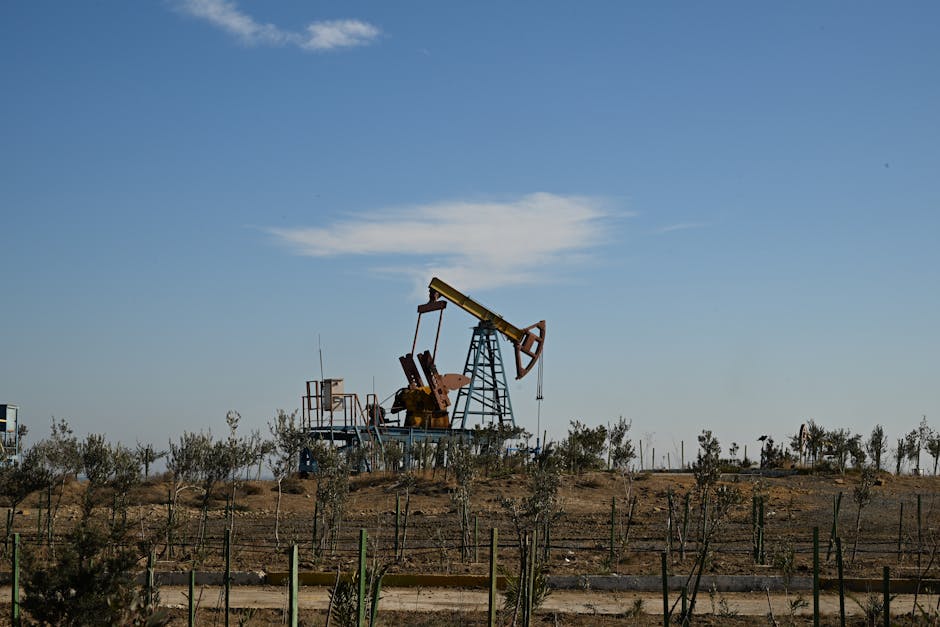
- A war with Iran could lead to a significant increase in oil prices.
- Higher oil prices would drive up the cost of goods and services globally.
- A war in Iran could put pressure on the Federal Reserve to maintain high interest rates.
- High interest rates could potentially stifle economic growth.
The global economy is bracing for potential turmoil as JPMorgan CEO Jamie Dimon warns that a war with Iran could reignite inflation and keep Federal Reserve interest rates higher for longer. This stark assessment from one of the world’s most influential bankers has sparked concerns about the stability of the global economy, already grappling with the aftermath of the pandemic and ongoing geopolitical tensions.
The Looming Threat of Inflation: Understanding the Iran Factor

Inflation has been a persistent concern for economies worldwide, and the prospect of a conflict in the Middle East threatens to exacerbate this issue. The war in Iran could lead to a significant increase in oil prices, which would have a ripple effect on the global economy, driving up the cost of goods and services. This, in turn, would put pressure on the Federal Reserve to maintain high interest rates to combat inflation, potentially stifling economic growth.
The impact of such a scenario would be far-reaching, affecting not just the United States but economies around the world. As the global economy struggles to recover from the pandemic, the added burden of high inflation and interest rates could derail the fragile recovery, leading to widespread economic hardship. The situation is further complicated by the ongoing trade tensions and the rise of protectionism, which could limit the ability of countries to respond effectively to the economic challenges posed by a war in Iran.
Assessing the Global Economic Landscape: Challenges and Opportunities

The global economic landscape is becoming increasingly complex, with multiple challenges and opportunities emerging. On one hand, the rise of emerging markets and the growth of international trade offer significant opportunities for economic expansion. On the other hand, the threat of protectionism, the risk of inflation, and the potential for geopolitical conflicts pose significant challenges to economic stability. In this context, the warning from Jamie Dimon serves as a timely reminder of the need for vigilance and the importance of proactive policy measures to mitigate the risks and capitalize on the opportunities.
The situation is not without precedent, as history has shown that geopolitical conflicts can have a profound impact on the global economy. The oil price shocks of the 1970s, triggered by the Arab-Israeli War, had a devastating effect on the global economy, leading to high inflation, high unemployment, and economic stagnation. Similarly, the Gulf War in the 1990s led to a significant increase in oil prices, which had a ripple effect on the global economy. These examples serve as a stark reminder of the potential consequences of a war in Iran and the need for policymakers to be prepared to respond effectively to mitigate the economic fallout.
Navigating the Uncertain Economic Environment: The Role of Monetary Policy
The Federal Reserve, led by Chairman Jerome Powell, has been navigating a treacherous economic environment, seeking to balance the need to control inflation with the risk of stifling economic growth. The prospect of a war in Iran adds a new layer of complexity to this challenge, as the Fed would need to consider the potential impact of higher oil prices and inflation on the economy. In this context, the Fed’s monetary policy decisions would be critical in determining the trajectory of the economy, and the ability of policymakers to respond effectively to the challenges posed by a war in Iran would be crucial in mitigating the economic fallout.
The use of monetary policy tools, such as interest rates and quantitative easing, would be critical in responding to the economic challenges posed by a war in Iran. However, the effectiveness of these tools would depend on a range of factors, including the severity of the conflict, the impact on oil prices, and the response of other central banks around the world. In this context, coordination and cooperation among policymakers would be essential in mitigating the economic fallout and ensuring a stable and sustainable economic recovery.
The Broader Implications: A Global Economic Recession?
The potential consequences of a war in Iran are far-reaching, and the impact on the global economy could be severe. A significant increase in oil prices, triggered by a war in Iran, could lead to a global economic recession, as higher energy costs would reduce consumer spending, investment, and economic growth. The situation would be further complicated by the ongoing trade tensions and the rise of protectionism, which could limit the ability of countries to respond effectively to the economic challenges posed by a war in Iran.
In this context, the warning from Jamie Dimon serves as a timely reminder of the need for policymakers to be prepared to respond effectively to mitigate the economic fallout. The ability of governments and central banks to coordinate their policy responses would be critical in determining the trajectory of the economy, and the effectiveness of these responses would depend on a range of factors, including the severity of the conflict, the impact on oil prices, and the response of other countries around the world. As the global economy teeters on the brink of uncertainty, one question looms large: can policymakers navigate the treacherous economic landscape and prevent a global economic recession?