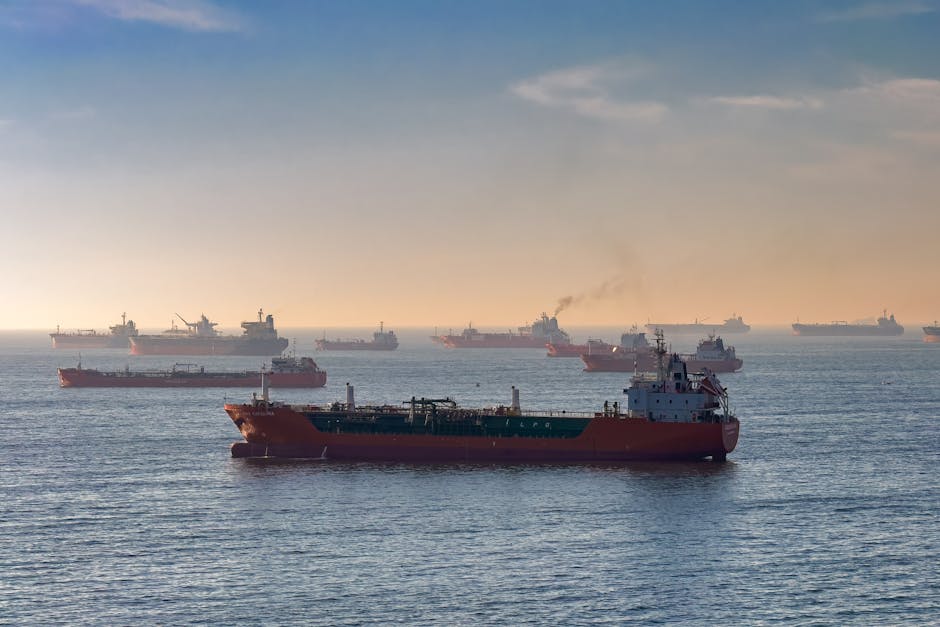
- The first ships have passed through the Strait of Hormuz since the Trump-Iran ceasefire, but traffic remains low due to confusion over new tolls and payment methods.
- The Strait of Hormuz is a critical waterway for oil shipments, accounting for approximately 20% of the world’s daily oil traffic.
- Recent tensions between the US and Iran led to a decrease in shipping traffic, with firms opting for alternative routes to avoid risks.
- The ceasefire has not resolved differences between the US and Iran on the strait’s use, leaving shipping firms with complex regulations to navigate.
- Iran is reportedly planning to demand tolls in cryptocurrency, which could significantly impact the global oil market.
The first ships have passed through the Strait of Hormuz since the Trump-Iran ceasefire, but traffic remains low amid confusion over new tolls and payment methods. The Strait of Hormuz is a critical waterway for oil shipments, with approximately 20% of the world’s oil passing through it every day. The recent tensions between the US and Iran have led to a significant decrease in traffic, with many shipping firms opting to take alternative routes to avoid the risks associated with the region. However, with the ceasefire in place, some ships have begun to navigate the strait once again, albeit with caution.
Background and Significance

The Strait of Hormuz has long been a source of tension between the US and Iran, with the two countries having fundamentally different views on the use of the waterway. The US has consistently maintained that the strait is an international waterway, open to all ships, while Iran has argued that it has the right to control the traffic and impose tolls on ships passing through. The recent ceasefire has done little to resolve these differences, and shipping firms are now facing new challenges as they navigate the complex web of regulations and payment methods. The situation is further complicated by reports that Iran is planning to demand that shipping firms pay tolls in cryptocurrency, a move that could have significant implications for the global oil market.
Key Details and Developments

According to reports, Iran is planning to introduce a new toll system for ships passing through the Strait of Hormuz, with fees payable in cryptocurrency. The move is seen as an attempt by Iran to circumvent US sanctions and maintain control over the strategically important waterway. Shipping firms are said to be confused and concerned by the new system, with many unsure of how to comply with the regulations. The US has warned Iran against imposing any restrictions on the strait, and has threatened to take action if necessary to maintain the free flow of oil. The situation remains volatile, with many experts warning that the introduction of cryptocurrency payments could be a destabilizing factor in the region.
Analysis and Implications
The introduction of cryptocurrency payments for tolls in the Strait of Hormuz has significant implications for the global oil market. On the one hand, it could provide a way for Iran to maintain control over the waterway and generate revenue, despite US sanctions. On the other hand, it could lead to increased instability and volatility in the region, as well as concerns over the use of cryptocurrency for illicit activities. Experts warn that the move could also have far-reaching consequences for the global economy, as it could potentially disrupt the flow of oil and lead to increased prices. The situation is being closely monitored by oil markets and shipping firms, with many waiting to see how the situation will unfold.
Economic Consequences
The economic consequences of the introduction of cryptocurrency payments for tolls in the Strait of Hormuz are significant. Shipping firms are facing increased costs and uncertainty, as they navigate the complex web of regulations and payment methods. The situation is also having a knock-on effect on the global oil market, with prices increasing in response to the uncertainty and volatility. The US has warned that it will take action to maintain the free flow of oil, but it remains to be seen how the situation will unfold. One thing is certain, however: the introduction of cryptocurrency payments for tolls in the Strait of Hormuz has significant implications for the global economy, and will be closely watched by experts and markets alike.
Expert Perspectives
Experts are divided on the implications of the introduction of cryptocurrency payments for tolls in the Strait of Hormuz. Some see it as a clever move by Iran to maintain control over the waterway and generate revenue, despite US sanctions. Others warn that it could lead to increased instability and volatility in the region, as well as concerns over the use of cryptocurrency for illicit activities. Dr. Maria Rodriguez, a leading expert on the global oil market, notes that the situation is complex and multifaceted, and that it will require careful monitoring and analysis to understand the full implications. “The introduction of cryptocurrency payments for tolls in the Strait of Hormuz is a significant development, and one that could have far-reaching consequences for the global economy,” she says.
As the situation continues to unfold, one thing is certain: the introduction of cryptocurrency payments for tolls in the Strait of Hormuz is a significant development that will be closely watched by experts and markets alike. The question on everyone’s mind is what will happen next, and how the situation will unfold. Will the introduction of cryptocurrency payments lead to increased stability and security in the region, or will it exacerbate existing tensions and volatility? Only time will tell, but one thing is certain: the Strait of Hormuz remains a critical waterway for oil shipments, and any developments in the region will have significant implications for the global economy.