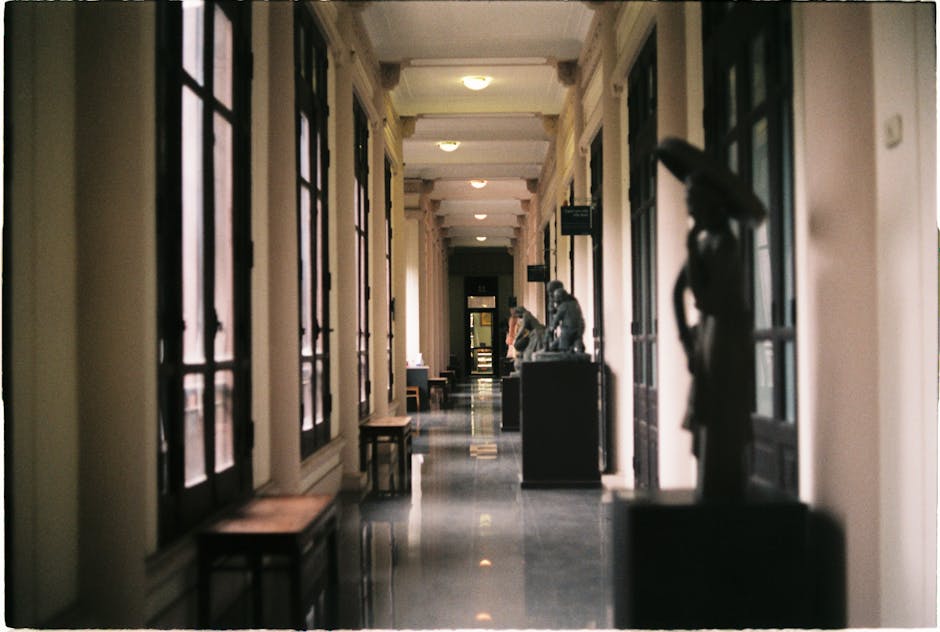
- Over 100,000 human remains are estimated to be held in European museums.
- These remains were often acquired during the colonial era to support debunked racist theories.
- The legacy of colonialism is still felt in museums, with many struggling to justify their collections.
- The use of human remains has caused harm to indigenous populations and their descendants.
- Museums are working to make amends and address the ethics of their collections.
More than 100,000 human remains are estimated to be held in European museums, with many having been acquired during the colonial era to support now-debunked theories about race and intelligence. The legacy of this dark period is still felt today, with many institutions struggling to come to terms with the origins and ethics of their collections. As the world grapples with issues of inequality and social justice, the question of what to do with these remains has become increasingly urgent.
The Shadow of Colonialism

The use of human remains to justify racist theories is a painful reminder of the colonial era, during which European powers exploited and brutalized indigenous populations around the world. Many of these remains were taken without consent, often as trophies or specimens to be studied and displayed. Today, museums are recognizing the harm that these collections have caused and are working to make amends, but the process is complex and fraught with difficulty. As institutions, they must balance the need to preserve historical artifacts with the moral obligation to respect the dignity and cultural heritage of the communities from which these remains were taken.
Uncovering the Truth

In recent years, there have been several high-profile cases of museums confronting the dark history of their collections. In 2019, the Natural History Museum in London announced that it would be reviewing its collection of human remains, with a view to repatriating some specimens to their countries of origin. Similarly, the University of Cambridge has established a repatriation program, which aims to return human remains to their communities of origin. These efforts are important steps towards acknowledging the historical injustices that have been perpetrated and taking responsibility for the harm that has been caused. However, much work remains to be done, and many institutions are still struggling to come to terms with the legacy of their collections.
Analysis and Reflection
The issue of human remains in museum collections is not just a historical problem, but also a deeply personal and emotional one. For many communities, the removal of ancestral remains is a source of ongoing trauma and pain, and their return is seen as a crucial step towards healing and reconciliation. As museums grapple with the ethics of their collections, they must also consider the cultural and spiritual significance of these remains and the impact that their display has on living communities. This requires a nuanced and sensitive approach, one that balances the need for historical preservation with the need for respect and dignity. By engaging with these issues in a thoughtful and reflective way, museums can work towards a more inclusive and equitable future, one that acknowledges the past while building towards a better tomorrow.
Implications and Consequences
The decisions that museums make about human remains in their collections have significant implications for communities around the world. For indigenous populations, the return of ancestral remains is a matter of great cultural and spiritual importance, and can be an important step towards reconciliation and healing. However, the process of repatriation is often complex and contentious, involving multiple stakeholders and competing interests. As museums navigate these challenges, they must prioritize the needs and perspectives of the communities from which these remains were taken, and work towards solutions that are respectful, sustainable, and just.
As museums look to the future, they must consider how to balance the preservation of historical artifacts with the need to respect the dignity and cultural heritage of the communities from which these artifacts were taken. This will require a fundamental shift in the way that museums think about their collections and their relationships with the communities they serve. By acknowledging the past and working towards a more inclusive and equitable future, museums can play a powerful role in promoting social justice and human rights, and can help to build a more just and compassionate world.