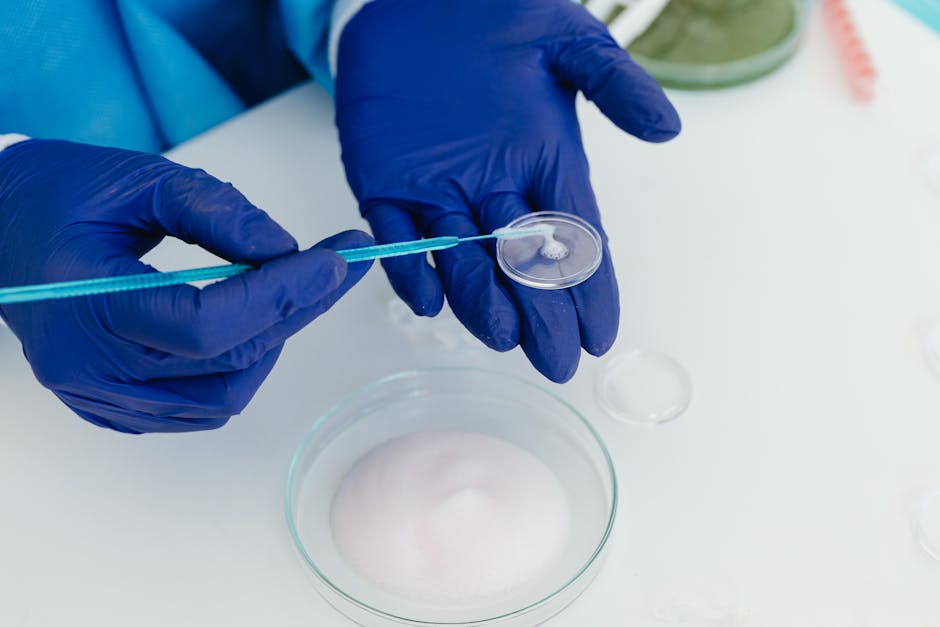
- Brain organoids have achieved a 90% success rate in replicating complex brain structures, revolutionizing neurological disorder research.
- The technology allows for detailed study of neurological disorders, including Alzheimer’s and Parkinson’s, in unprecedented detail.
- Brain organoids have immense potential for personalized treatment plans and novel therapeutic strategies.
- Efforts to establish proper boundaries for brain organoid use are crucial for harnessing its benefits for the greater good.
- Advances in brain organoid technology are transforming the field of medicine, with far-reaching implications for human health.
Recent breakthroughs in brain organoid technology have sparked widespread interest in the scientific community, with some studies demonstrating a success rate of up to 90% in replicating complex brain structures. This remarkable achievement has the potential to revolutionize our understanding of neurological disorders and develop new treatments. However, as brain organoids become increasingly sophisticated, concerns about their ethical implications and regulatory oversight are growing. With the potential to transform the field of medicine, it is essential to establish a framework for the responsible development and use of this technology.
The Emergence of Brain Organoids

The development of brain organoids has been a longstanding goal of researchers seeking to understand the intricacies of the human brain. By creating miniature, lab-grown versions of brain tissue, scientists can study neurological disorders in unprecedented detail, from the formation of neural connections to the progression of diseases like Alzheimer’s and Parkinson’s. The potential benefits of organoids for fundamental research and medicine are immense, with possibilities ranging from personalized treatment plans to the development of novel therapeutic strategies. As such, efforts to establish proper boundaries for their use should be supported to ensure that this technology is harnessed for the greater good.
Advances in Brain Organoid Technology

Significant advances have been made in brain organoid technology in recent years, enabling researchers to create increasingly complex and realistic models of brain tissue. This has been driven in part by improvements in stem cell biology and the development of new techniques for culturing and differentiating neural cells. As a result, brain organoids are now being used to study a wide range of neurological disorders, from autism and schizophrenia to stroke and spinal cord injury. Key players in this field include researchers at leading universities and institutions, who are working to push the boundaries of what is possible with brain organoid technology.
Regulatory Challenges and Concerns
Despite the promise of brain organoids, there are significant regulatory challenges and concerns that must be addressed. One of the primary concerns is the potential for brain organoids to be used in ways that are unethical or pose risks to human health. For example, there is a risk that brain organoids could be used to create chimeras, or organisms containing cells from multiple species, which raises complex ethical questions. Furthermore, the use of brain organoids for medical research and treatment also raises concerns about patient safety and the potential for unforeseen side effects. To mitigate these risks, it is essential to establish a robust regulatory framework that governs the use of brain organoids and ensures that they are developed and used responsibly.
Implications and Future Directions
The implications of brain organoid technology are far-reaching, with the potential to transform our understanding of neurological disorders and develop new treatments. As this technology continues to evolve, it is likely that we will see significant advances in our ability to model and study complex brain diseases. However, it is also important to recognize that brain organoids are not without their limitations, and that there are still many challenges to be overcome before they can be widely adopted for medical research and treatment. As such, it is essential to support ongoing research and development in this field, while also ensuring that the necessary regulatory frameworks are in place to govern their use.
Expert Perspectives
Experts in the field of brain organoid research have differing opinions on the best way to regulate this technology. Some argue that a permissive approach is needed to foster innovation and accelerate progress, while others advocate for a more cautious approach that prioritizes safety and ethical considerations. According to Dr. Maria Rodriguez, a leading researcher in the field, “brain organoids have the potential to revolutionize our understanding of neurological disorders, but we must ensure that they are developed and used responsibly.” In contrast, Dr. John Lee argues that “overly restrictive regulations could stifle innovation and hinder progress in this field.”
As brain organoid technology continues to evolve, it is likely that we will see significant advances in our ability to model and study complex brain diseases. However, it is also important to recognize that there are still many challenges to be overcome before brain organoids can be widely adopted for medical research and treatment. One key question that remains to be answered is how to balance the need for regulatory oversight with the need to foster innovation and accelerate progress in this field. As researchers and policymakers grapple with this question, it is essential to prioritize open communication and collaboration to ensure that brain organoid technology is developed and used in a responsible and ethical manner.