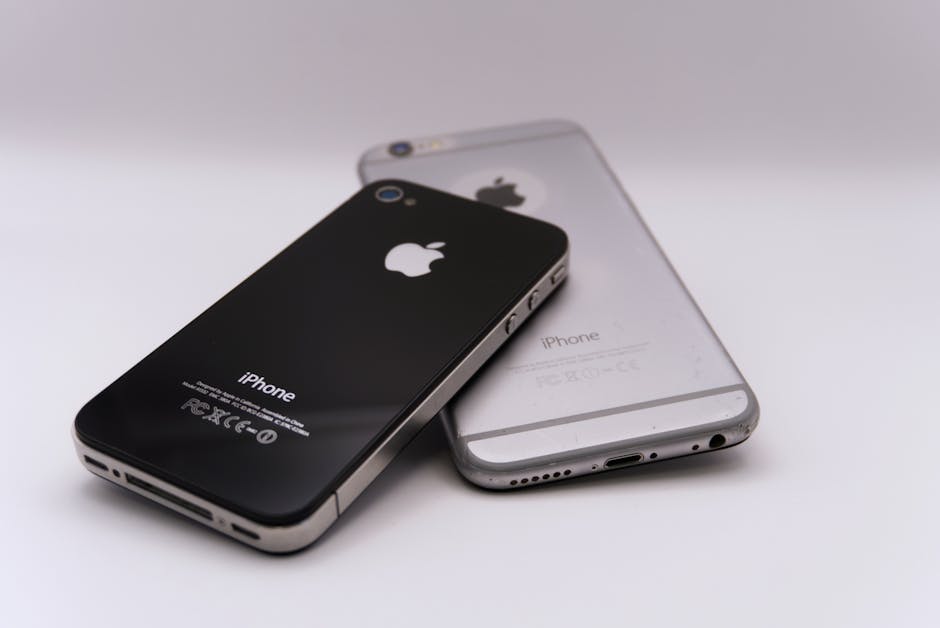
- The latest iPhone model has received a D– rating for repairability from experts.
- The rating represents a slight improvement over previous iPhone models.
- Consumer demand for sleek devices conflicts with the need for sustainable, repairable technology.
- The environmental and economic impacts of Apple’s design choices are significant due to millions of iPhones sold worldwide each year.
- The issue of repairability has become crucial as the waste generated by obsolete and non-repairable electronics is a growing concern.
The latest iPhone model has been awarded a D– for repairability by a prominent electronics repair advocacy group, a rating that, while still near the bottom of the scale, represents a slight improvement over previous models. This development highlights the ongoing tension between consumer demand for sleek, compact devices and the need for sustainable, repairable technology. With millions of iPhones sold worldwide each year, the environmental and economic impacts of the company’s design choices are significant.
Assessing the State of Repairability

The issue of repairability has become increasingly important in recent years, as consumers and lawmakers alike begin to recognize the environmental and economic costs of disposable electronics. As the world’s largest technology companies continue to push out new devices at an incredible pace, the waste generated by obsolete and non-repairable products has become a major concern. The latest rating from repairability experts reflects a growing awareness of this issue and a desire for companies like Apple to prioritize sustainability in their design and manufacturing processes.
Key Players and Findings

The repairability rating was determined by a thorough analysis of the iPhone’s internal components, including the ease of replacing the battery, display, and other key parts. While Apple has made some efforts to improve the repairability of its devices, the company still lags behind many of its competitors in this area. Samsung, for example, received a slightly better rating, but still scored near the bottom of the list with a D grade. Other companies, such as Fairphone and Motorola, have made significant strides in recent years, offering devices that are not only more sustainable but also more accessible to independent repair shops.
Expert Analysis and Data
According to experts, the main obstacle to improving the repairability of devices like the iPhone is the company’s focus on creating sleek, compact designs that are often difficult to disassemble and repair. This approach, while aesthetically pleasing, can make it extremely challenging for consumers and independent repair shops to replace broken parts or upgrade existing hardware. As a result, many devices are needlessly discarded, contributing to the growing problem of electronic waste. By prioritizing repairability and sustainability, companies like Apple could not only reduce their environmental footprint but also create new opportunities for innovation and growth.
Implications for Consumers and the Environment
The poor repairability rating of the iPhone has significant implications for consumers, who may be forced to purchase new devices more frequently than necessary, and for the environment, which is already struggling to cope with the massive amounts of electronic waste generated each year. By choosing devices that are more sustainable and repairable, consumers can help reduce their environmental footprint and promote more responsible manufacturing practices. As lawmakers and regulators begin to take notice of this issue, companies like Apple may soon face increased pressure to prioritize repairability and sustainability in their design and manufacturing processes.
Looking ahead, it will be important to watch how companies like Apple respond to growing demands for more sustainable and repairable devices. Will the company prioritize the environment and consumer needs, or will it continue to focus on creating sleek, compact designs that are difficult to repair? As the world becomes increasingly aware of the environmental and economic costs of disposable electronics, the answer to this question could have significant implications for the future of the technology industry.