- Aphantasia affects approximately 2-5% of the population, making it a relatively rare condition.
- The first recorded identification of aphantasia was by Francis Galton in 1880.
- Research suggests that training programs, such as those developed by Adam Zeman, may be effective in improving mental image formation in individuals with aphantasia.
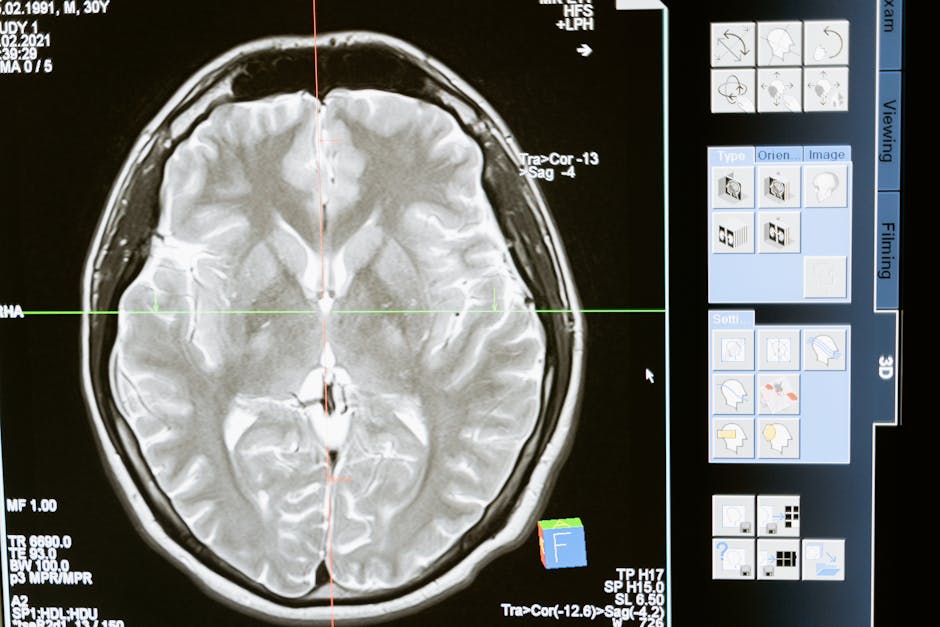
- Individuals with aphantasia exhibit differences in brain activity compared to those without the condition.
- Preliminary results indicate that describing experiences and emotions in vivid detail can strengthen mental imagery abilities in individuals with aphantasia.
Aphantasia, a condition characterized by the inability to create mental images, affects approximately 2-5% of the population. While it was first identified in 1880 by Francis Galton, recent advancements in neuroscience have led to a renewed interest in this phenomenon. Researchers are now exploring the potential of training programs to help individuals with aphantasia develop a mind’s eye.
One such program, developed by neuroscientist Adam Zeman, involves a combination of visualization exercises and cognitive training. Participants are asked to describe their experiences and emotions in vivid detail, with the goal of strengthening their mental imagery abilities. Preliminary results suggest that this approach may be effective in improving mental image formation in some individuals.
The Neuroscience of Aphantasia: Uncovering the Mysteries

Studies have shown that individuals with aphantasia exhibit differences in brain activity compared to those without the condition. Specifically, the visual cortex, an area responsible for processing visual information, is less active in people with aphantasia. This has led researchers to speculate that the condition may be related to alterations in the brain’s neural networks.
Further research is needed to fully understand the underlying mechanisms of aphantasia. However, the development of training programs offers new hope for individuals seeking to improve their mental imagery abilities. As scientists continue to explore the complexities of the human brain, we may uncover new insights into the nature of consciousness and the human experience.
Training the Mind’s Eye: A New Frontier in Neuroscience

Training programs for aphantasia are not without their challenges. One of the primary concerns is the lack of standardized protocols for evaluating the effectiveness of these programs. Moreover, the variability in individual experiences and responses to training makes it difficult to predict outcomes. Despite these challenges, researchers remain optimistic about the potential of these programs to improve the lives of individuals with aphantasia.
The use of advanced neuroimaging techniques, such as functional magnetic resonance imaging (fMRI), has enabled researchers to study the brain activity of individuals with aphantasia in greater detail. These studies have provided valuable insights into the neural mechanisms underlying the condition and have informed the development of targeted training programs.
Implications for Our Understanding of Human Consciousness
The study of aphantasia has significant implications for our understanding of human consciousness. By exploring the neural mechanisms underlying mental image formation, researchers may gain a deeper understanding of the complex processes that govern our perception of reality. Furthermore, the development of effective training programs for aphantasia could have far-reaching consequences for fields such as education, psychology, and neuroscience.
As researchers continue to investigate the intricacies of aphantasia, they are forced to confront fundamental questions about the nature of human consciousness. What is the relationship between mental images and our subjective experience? Can training programs truly alter the way we perceive and interact with the world? The answers to these questions may have profound implications for our understanding of the human mind and its many mysteries.
The Future of Aphantasia Research: Unanswered Questions and Emerging Trends
Despite the progress made in understanding aphantasia, many questions remain unanswered. What are the underlying causes of the condition, and how can we develop more effective treatments? How do cultural and environmental factors influence the development of aphantasia, and what role do genetics play in its etiology? As researchers continue to explore these questions, they may uncover new insights into the complex interplay between brain, mind, and environment.
As we look to the future of aphantasia research, it is clear that the study of this condition will continue to challenge our understanding of human consciousness and the neural mechanisms that underlie it. Will the development of innovative training programs and advanced neuroimaging techniques ultimately lead to a deeper understanding of the human mind, or will they raise more questions than answers? Only time will tell, but one thing is certain – the study of aphantasia is poised to revolutionize our understanding of the intricate and complex workings of the human brain.