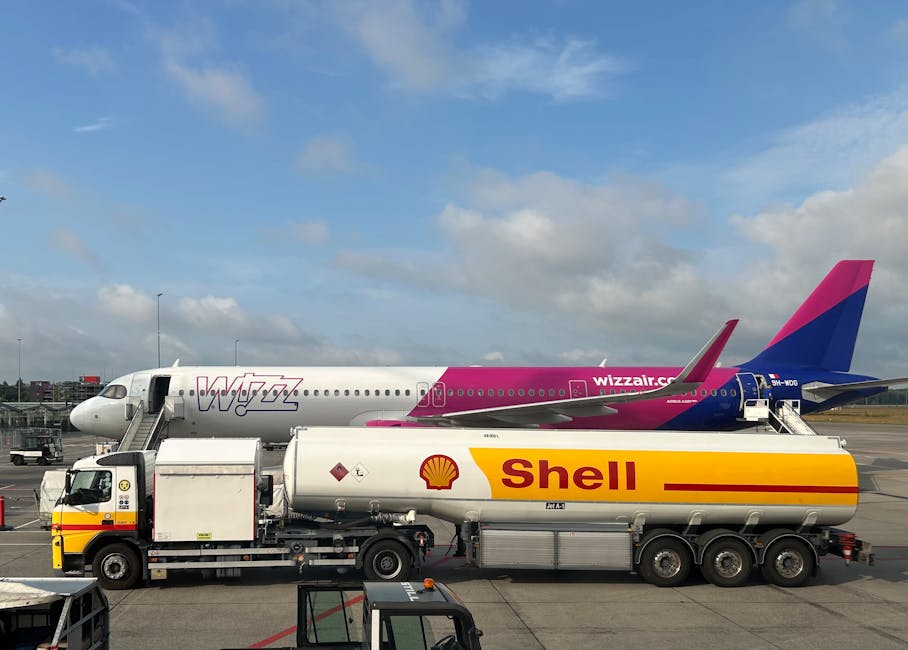
- Fuel prices have surged by over 20% in the past year, affecting airline profit margins.
- Airlines are cutting flights and hiking fares in response to the escalating fuel costs.
- Passengers are facing higher ticket prices and reduced services due to the industry’s vulnerability to external factors.
- The ongoing conflict in Iran has contributed to the surge in fuel prices and its impact on airlines.
- Airlines are being forced to adapt quickly to mitigate the financial impact of rising fuel costs.
The global airline industry has been dealt a significant blow as fuel prices surge, with many carriers cutting flights and hiking fares in response to the escalating costs. According to recent data, the average price of jet fuel has increased by over 20% in the past year alone, placing a substantial strain on the already thin profit margins of many airlines. As a result, passengers are facing higher ticket prices and reduced services, marking a significant shift in the industry.
Fuel Price Volatility and Its Impact on Airlines

The current situation is a stark reminder of the industry’s vulnerability to external factors, particularly fuel price volatility. With the ongoing conflict in Iran contributing to the surge in fuel prices, airlines are being forced to adapt quickly to mitigate the financial impact. The reduction in flights and increase in fares is a direct response to the rising costs, as airlines seek to maintain their profitability in a challenging environment. This move is likely to have far-reaching consequences for the industry and its customers.
Airlines’ Response to Rising Fuel Costs

Several major airlines have already announced plans to reduce their services and increase ticket prices in response to the rising fuel costs. For instance, some carriers have cut back on non-essential routes, while others have introduced fuel surcharges to offset the increased costs. Additionally, airlines are exploring alternative fuels and implementing fuel-efficient practices to minimize their exposure to price volatility. However, these measures may not be enough to fully absorb the impact of the rising fuel prices, and passengers are likely to bear the brunt of the increases.
Analysis of the Situation and Expert Insights
Experts believe that the current situation is a perfect storm of factors, including the Iran conflict, global demand for fuel, and the aftermath of the COVID-19 pandemic. The resulting fuel price surge has left airlines with little choice but to pass on the costs to consumers. According to industry analysts, the average ticket price is likely to increase by at least 10% in the coming months, with some predicting even higher rises. Furthermore, the reduction in flights and services may lead to a decrease in air travel demand, potentially exacerbating the situation for airlines and the industry as a whole.
Implications for Passengers and the Industry
The impact of the rising fuel prices and the subsequent reduction in flights and increase in fares will be felt across the industry, with passengers facing higher costs and reduced services. The effects will be particularly noticeable for budget-conscious travelers and those who rely on air travel for business or personal reasons. As the situation continues to unfold, it remains to be seen how airlines will balance their need to maintain profitability with the need to provide affordable and reliable services to their customers.
Looking ahead, the key question is how long the current situation will persist and what measures airlines and regulators can take to mitigate the impact of fuel price volatility. As the industry navigates this challenging environment, passengers and investors will be watching closely to see how airlines adapt and respond to the changing landscape. Will airlines be able to find a way to offset the rising fuel costs, or will the industry be forced to undergo a significant transformation in the face of external pressures?